
Asphalt Milling and Overlay in Southeast Michigan
D&J Contracting provides asphalt milling and overlay services across Macomb County and Metro Detroit. A cost-effective alternative to full replacement — MDOT prequalified, no subcontracting.


Licensed & Insured

Local Michigan Crews

38+ Years Experience
What Milling and Overlay Does for Your Parking Lot
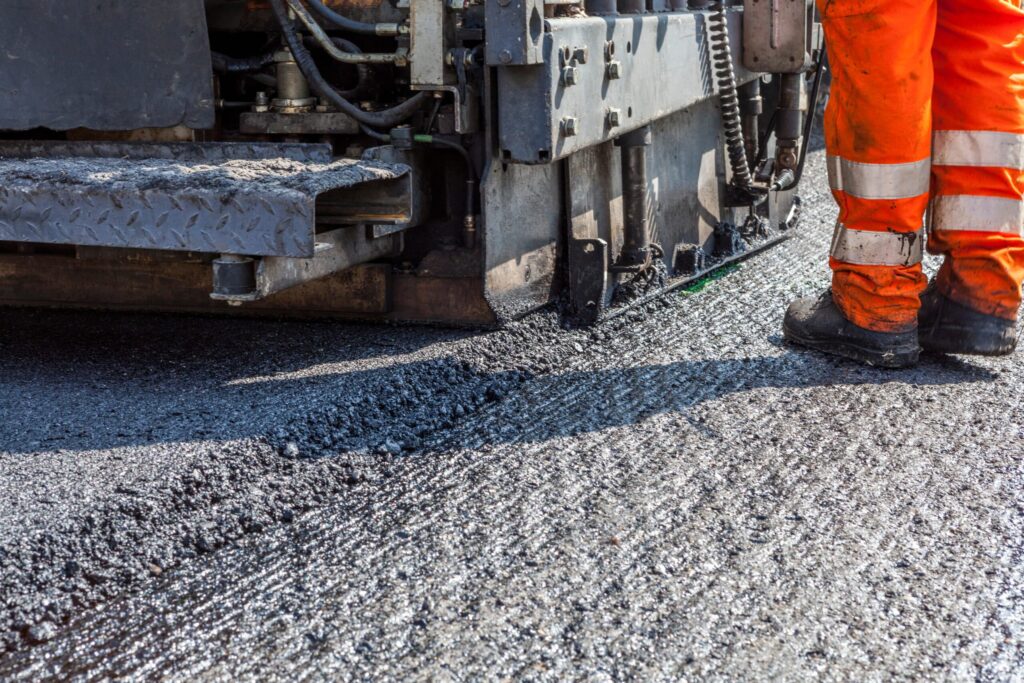
Milling and overlay is the process of removing the damaged top layer of asphalt with a milling machine, then installing a new asphalt overlay to restore the surface. It costs significantly less than full-depth removal and replacement while delivering a fresh, durable surface when the existing base is still structurally sound.
The milling step does more than just remove damaged material - it reclaims the correct grade and removes localized high spots that cause poor drainage. The fresh overlay then adds new material at consistent thickness for uniform surface quality across the entire lot.
When Milling and Overlay Makes Sense
Milling and overlay is the right solution when your parking lot has widespread surface deterioration, drainage grade issues, or low spots - but the base layer below is still in good condition. If base failures or widespread alligator cracking are present, a more thorough repair approach is needed first.
Our Milling and Overlay Process
| Step | What We Do |
|---|---|
| 1. Base Evaluation | We inspect the lot surface and base condition to confirm overlay is appropriate before any work begins. |
| 2. Milling | We cold-mill the surface to the specified depth - typically 1.5 to 2 inches - removing deteriorated asphalt and re-establishing grade. |
| 3. Base Repairs | Any localized base failures exposed during milling are repaired before the overlay is applied. |
| 4. Tack Coat | We apply a tack coat to the milled surface to ensure proper bonding between the existing base and the new overlay layer. |
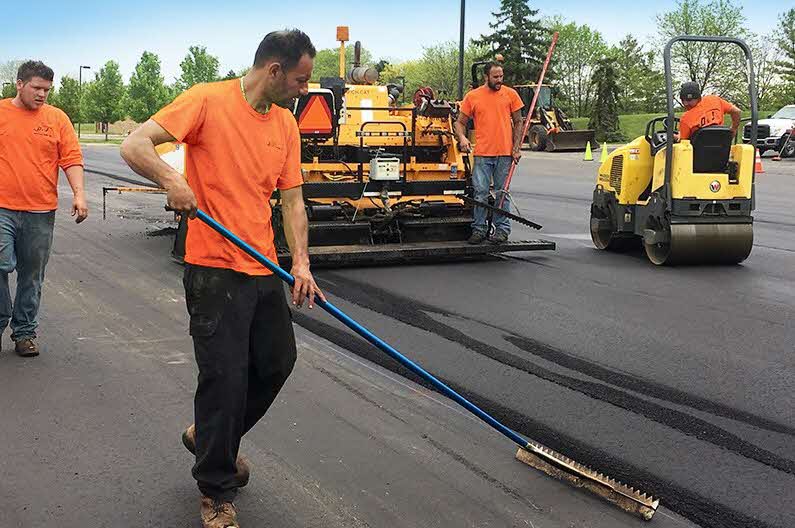
| 5. Overlay Application | New MDOT-grade asphalt is machine-laid at consistent thickness and compacted with a vibratory roller for proper density. |
| 6. Grade Check | We verify drainage slope and surface grade match the design before the lot reopens. |
Milling and Overlay vs. Full-Depth Replacement
Choosing between milling and overlay vs. full-depth removal and replacement is one of the most important decisions in commercial pavement management. Getting it wrong costs money either way.
| Factor | Milling and Overlay | Full Replacement |
|---|---|---|
| Cost | Lower - surface removal only | Higher - full excavation and base work |
| Best When | Base is intact, surface has deteriorated | Base has failed, widespread structural damage |
| Result | Restored grade and fresh surface | New base and surface - 20-30 year reset |
| Disruption | Shorter project duration | Longer project, more haul traffic |
We conduct a thorough base evaluation before recommending either option. If we find base failures, we will tell you directly rather than sell you an overlay that will not last.
Why Commercial Property Managers Choose Milling and Overlay
Significant Cost Savings
Milling and overlay typically costs 30-50% less than full-depth removal and replacement when the base is sound. That is real budget savings for commercial property managers.
Restored Drainage Grade
Milling removes surface deformations and re-establishes the correct grade, fixing low spots and poor drainage that cause standing water problems.
Extended Pavement Life
A properly executed milling and overlay adds 10-15 years to your lot's service life when the base is in good condition and the work is done to MDOT standards.
Fresh Striping-Ready Surface
The new overlay provides a clean, uniform surface for sealcoating and striping - an ideal time to refresh your entire lot presentation and ADA compliance in one project.
Minimal Height Change
Milling removes material before the overlay is applied, keeping the final surface height near original levels. Important where curbs, catch basins, and ADA ramps have fixed elevations.
MDOT-Grade Materials
We use highway-grade asphalt mix on every overlay project - the same quality standard applied on Michigan road projects. Commercial properties deserve better than commodity materials.

David Koback
President

From Our Founders
The Base Decides Everything
"An overlay over a failed base is just hiding the problem. We evaluate the base first, identify any areas that need repair before we mill, and only proceed with the overlay when we know it will perform. That is how you protect a client's investment - not by covering up the problem."
MDOT Prequalified

Bradley Sanford
Vice President
Milling and Overlay Services Across Macomb County
D&J Contracting provides commercial asphalt milling and overlay for properties throughout Southeast Michigan. Our primary service area includes all of Macomb County: Armada Township, Center Line, Chesterfield Township, Clinton Township, Eastpointe, Fraser, Grosse Pointe, Grosse Pointe Farms, Grosse Pointe Park, Grosse Pointe Shores, Grosse Pointe Woods, Harper Woods, Harrison Township, Macomb Township, Madison Heights, Memphis, Mount Clemens, New Baltimore, New Haven, Richmond, Roseville, Shelby Township, St. Clair Shores, Sterling Heights, Utica, Warren, Troy, Rochester, and Rochester Hills.
Call (586) 954-0008 to schedule a pavement assessment and estimate.
Frequently Asked Questions - Asphalt Milling and Overlay
What is the difference between milling and overlay vs. full replacement?
Milling and overlay removes the top surface layer and installs a new overlay. Full replacement removes everything down to the sub-base. Milling and overlay costs less and works well when the base is structurally intact. Full replacement is needed when base failures are widespread.
How do I know if my lot needs milling and overlay or full replacement?
If surface cracking and grade issues are present but base inspection shows sound material below, milling and overlay is typically the right call. Widespread alligator cracking, potholes everywhere, or visible base failure generally means full replacement is needed. We assess and advise honestly.
How long does a milling and overlay project take?
Most commercial lot projects take 2-4 days including milling, any base repairs, overlay application, and cooling time. Larger lots may take longer. We coordinate the schedule to minimize disruption to your business operations.
When can vehicles use the lot after overlay?
Light vehicles can typically use the lot within 24-48 hours. Heavier commercial vehicles should wait 3-5 days in warm weather. We provide specific guidance based on conditions at the time of your project.
How much does milling and overlay cost?
Cost depends on lot area, milling depth, base repair scope, and overlay thickness. We provide detailed written estimates after a site evaluation. Milling and overlay is typically 30-50% less than full-depth replacement on lots with a sound base.
Can catch basin and curb elevations be maintained during milling?
Yes. One of the primary reasons to mill before overlaying is that it keeps final surface heights close to original. We account for existing catch basin grates, curb heights, and ADA ramp elevations in the milling depth specification.
How long does a milling and overlay last?
A properly executed milling and overlay using MDOT-grade materials on a sound base should last 10-15 years with regular sealcoating and crack filling maintenance. Material quality and proper compaction are the key factors.
Is Your Lot a Candidate for Milling and Overlay?
Get a professional pavement assessment from D&J Contracting. We evaluate the base, identify repair needs, and give you an honest recommendation on whether milling and overlay or full replacement is the right investment.
Call (586) 954-0008 or request an estimate online.