
Snow Removal Site Infrastructure Engineering, Macomb County
Snow removal is site infrastructure work, not a push-and-go service. We plan plow paths, stacking zones, ice control, and access points around how the property actually functions under load. That matters in Macomb County, where freeze-thaw cycles punish weak drainage and sloppy plowing. Our route optimization keeps crews moving with purpose, and our dispatch center tracks changing conditions before they turn into liability. We build winter plans for the next storm, not the last one.
Contact Us Today!
MDOT Prequalification, Highway-Grade Snow Standards
MDOT prequalification changes how we plan winter work. It means our snow operations follow a higher standard for documentation, site control, and field discipline, not just blade time. We do not treat a commercial lot like a commodity route. We match plow patterns, salt application, and response timing to the property’s risk points, then verify the work through compliance reporting and dispatch center logs. That approach holds up on high-traffic sites along Hall Road and near the I-696 corridor.

Serving Businesses In Macomb County
Accountability Means Owning Every Snow Event

Accountability means we own the outcome before the first push. We set the plow line, identify stacking space, and decide where ice control has to be heavier because the site cannot afford a slip or a blocked lane. If conditions change, we adjust fast through the dispatch center and route optimization, not guesswork. I would rather turn down a bad plan than leave a property with damage, complaints, or a winter problem that shows up in March.
Sub-Grade Control for Winter Load Paths
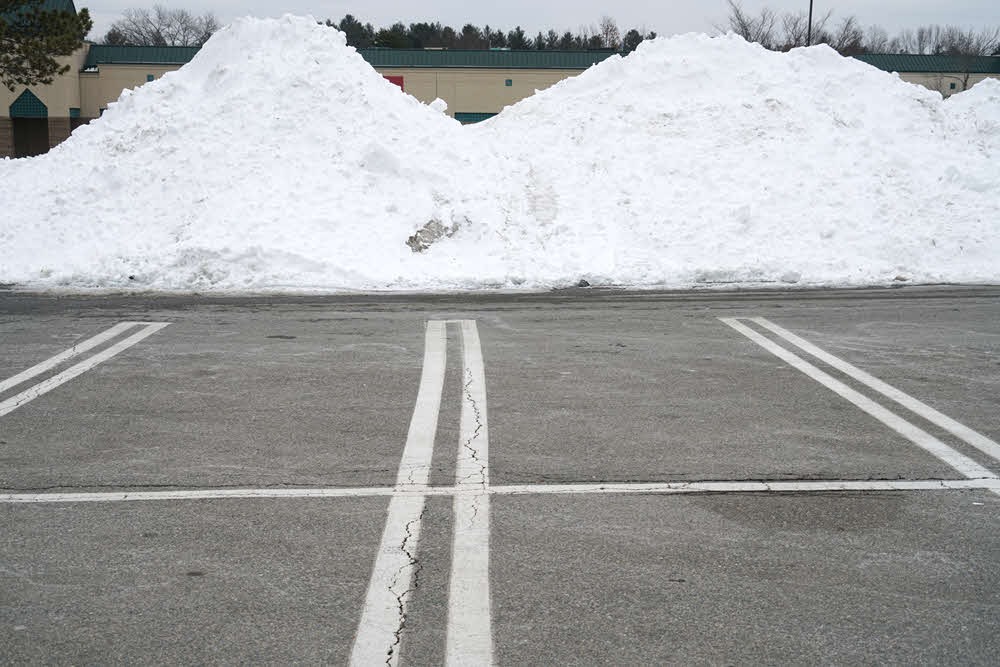
We start with the ground, not the storm. If the sub-grade holds water, shifts under load, or sheds poorly, plowing only exposes the weak spots faster. That is why we map drainage, curb lines, and traffic pinch points before winter hits. On sites near 12 Mile Road and M-59, freeze-thaw cycles punish soft edges and bad stacking choices. Our dispatch center and route optimization keep crews moving with a plan that protects access and reduces repeat damage.
Aggregate Gradation, PSI, and Load Support
Aggregate gradation controls how a base locks together under load. Too much fines, and the section pumps water and loses strength. Too open, and it shifts under blade pressure and traffic. We look for a mix that compacts tight, drains correctly, and holds shape through freeze-thaw cycles. That is the difference between a lot that stays stable and one that breaks down after the first hard winter near Hall Road.
Compaction PSI matters because loose stone moves before the plow ever touches it. We want uniform density across the full section, not just a hard crust on top. Our dispatch center watches storm timing, but the base has to carry the load first. On commercial sites along M-59, poor compaction shows up fast at entrances, loading lanes, and stacking areas.


Drainage Paths Before Freeze-Up
Water has to leave the site before it freezes. We map catch basins, curb cuts, low spots, and sheet flow paths so meltwater does not refreeze across travel lanes or loading areas. On properties near the M-53 corridor and 23 Mile Road, a bad grade turns one thaw into a skating problem by morning. Our dispatch center uses route optimization and compliance reporting to keep snow piles out of drainage paths and protect the base below.
That planning matters because plowing can redirect runoff faster than most owners expect.
Surface Layer Specs for Freeze-Thaw Loads
Surface specs matter because freeze-thaw cycles punish weak mix design fast. We want a dense, well-bonded surface that sheds water, resists raveling, and holds up under plow steel and turning tires. On sites near the Rouge River corridor, we watch for edge breakup where meltwater sits and refreezes overnight. Our dispatch center tracks storm timing, but the surface has to carry the abuse first. If the top layer is too soft or too open, winter finds it.
Industrial Snow Crews, Heavy Equipment, Tight Control
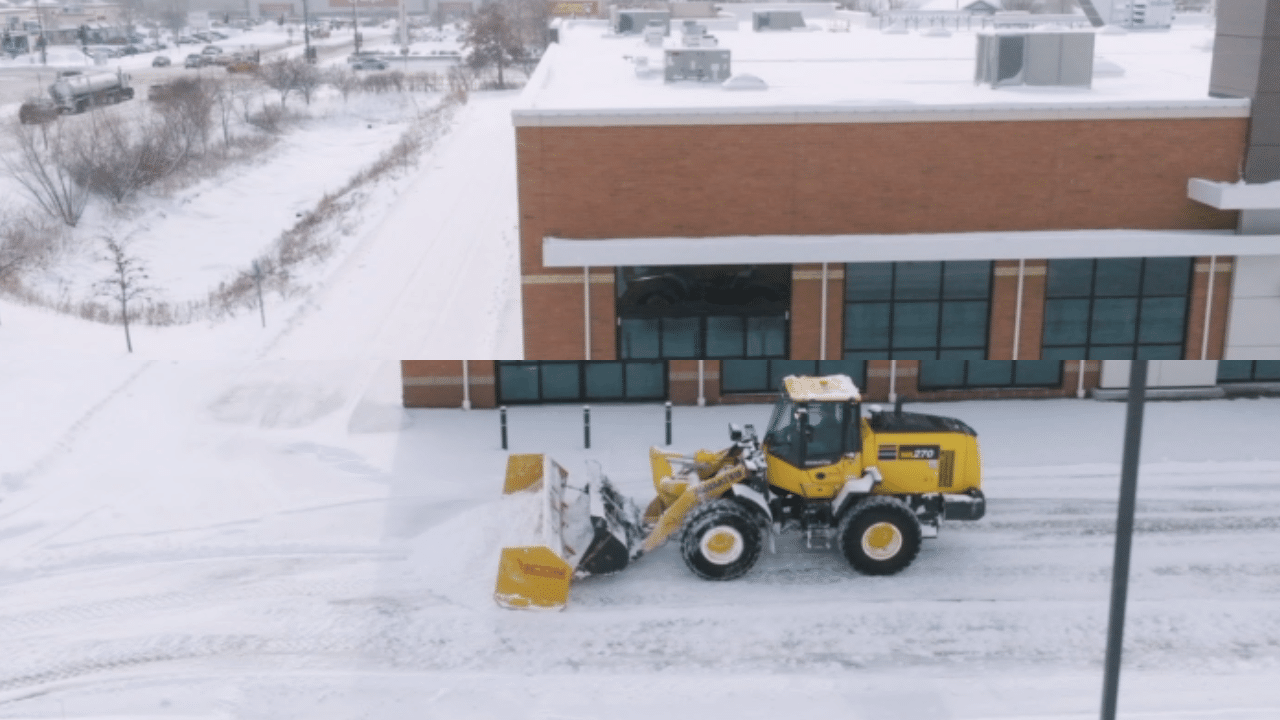
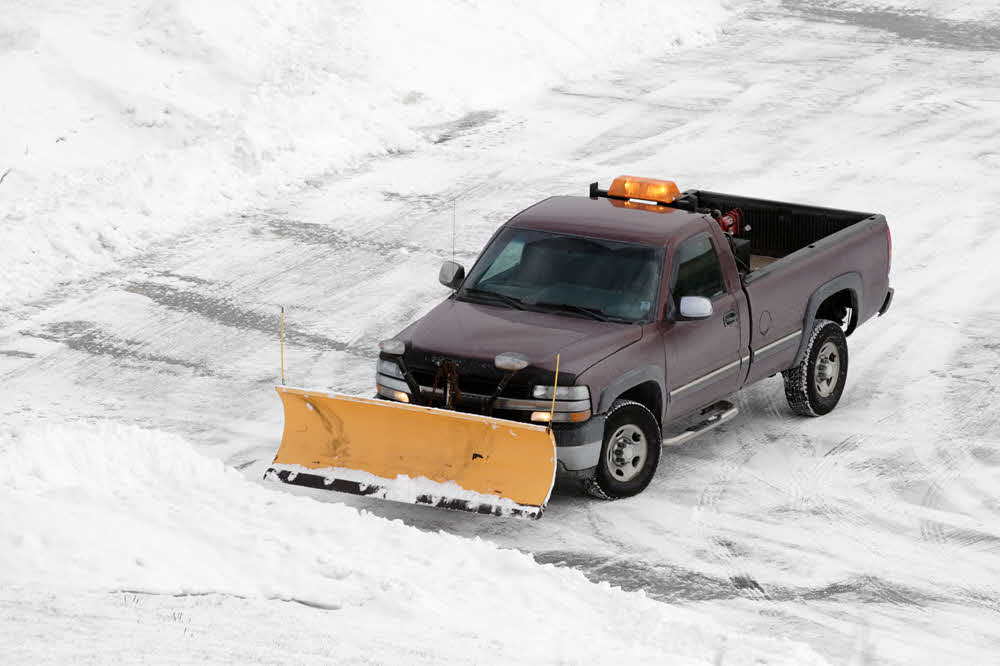
Industrial sites need more than a pickup and a blade. We stage loaders, plows, and spreaders to match lot size, dock traffic, and stacking limits before the first storm hits. That keeps entrances open and keeps snow from choking trailer lanes or fire access. Our dispatch center uses route optimization so crews hit the heaviest loads first, then shift as conditions change. On large properties in Macomb County, that kind of control keeps winter work from turning into damage control.
Clay Subgrades, Frost Heave Control
Clay holds water, then locks up hard when the temperature drops. That is the ground truth on winter sites across Macomb County. If the subgrade stays soft under a thaw, plow traffic and stacked snow will push it around and leave ruts that show up in spring. We plan around frost depth, drainage flow, and load paths before the first storm. Our dispatch center uses route optimization and compliance reporting so crews protect weak edges instead of grinding them down.
Maintenance Cost Curve, Proactive vs Reactive
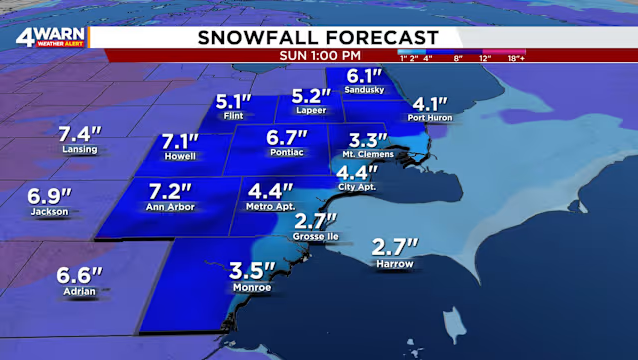
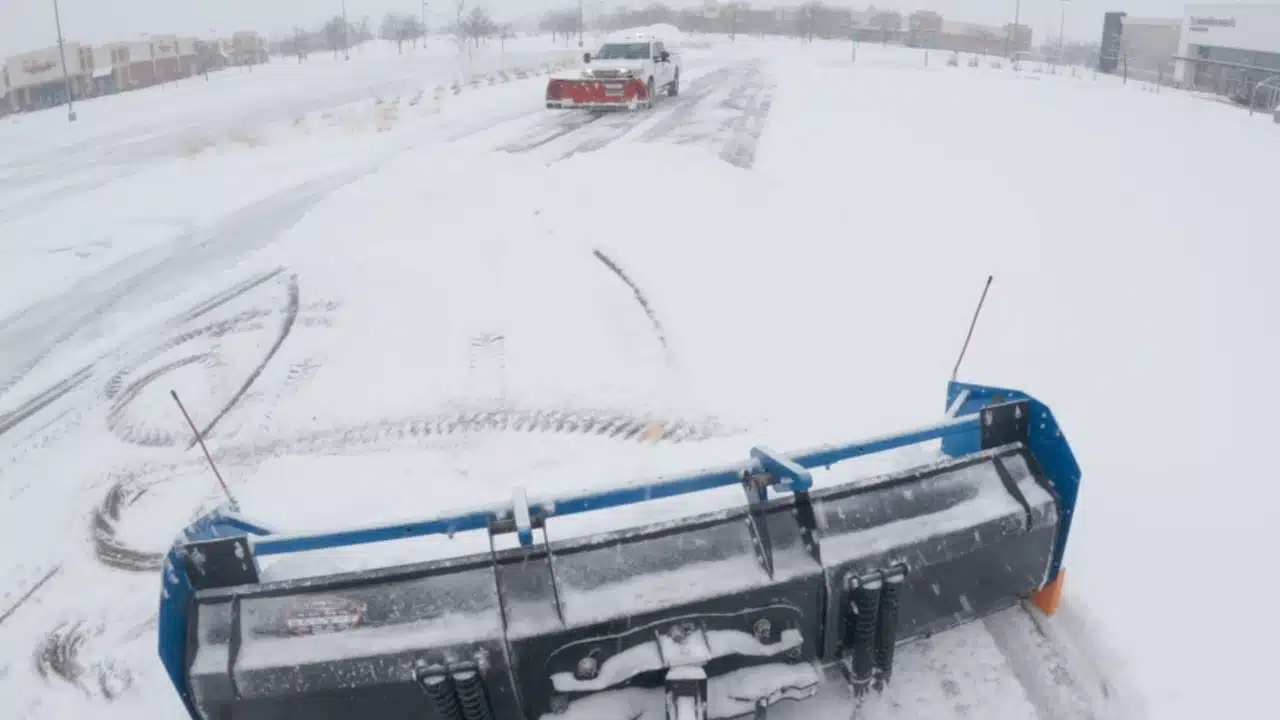
Reactive winter work costs more because the damage starts before anyone sees it. A lot that gets pushed hard through thaw cycles, poor stacking, and late salt application usually pays for it in spring with broken edges, rutting, and drainage problems. Proactive planning keeps those costs lower. We set plow paths, protect weak corners, and use compliance reporting to track what happened on each visit. That is how a trusted snow removal contractor keeps a property from turning winter wear into capital repair.
No Shortcuts, No Failed Bases
We do not push snow on top of a bad site and call it winter maintenance. If the base is failing, the lot will move under plow pressure, and the damage shows up fast at entrances, dock aprons, and turning lanes. Our job is to spot that risk early, set the plow plan around it, and say no when a property needs more than surface work. That is how we protect the asset and avoid spring repairs that should have been prevented.
On sites near Woodward Avenue, that discipline keeps bad decisions from becoming expensive ones.
Durability Questions, Straight Answers
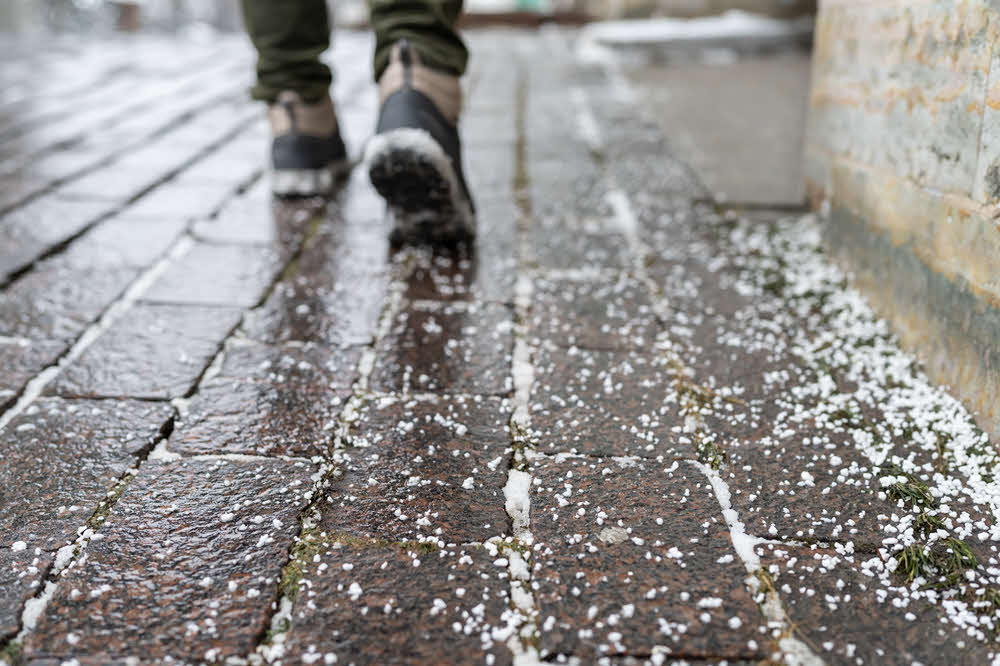
How do you judge durability? We look at how the site handles load after the first thaw, not how it looks on day one. If plow traffic, stacked snow, and refreeze start breaking edges or pushing water into weak spots, the plan was wrong. A durable winter program protects the base, keeps access open, and limits surface abuse. That is the standard we use on commercial properties along Woodward Avenue and in Macomb County.
What fails first? Usually the corners, entrances, and drainage lines. Those areas take the most blade pressure and meltwater movement. Our dispatch center uses route optimization and compliance reporting to keep crews from repeating damage in the same spots.
Site Health Starts With Winter Control
Site health shows up first in winter. If snow piles block drainage, crush soft edges, or force plows across weak corners, the property starts paying for it later. We read the lot like a system, not a surface. That means watching runoff, traffic lanes, and stacking space before the first storm and adjusting through compliance reporting when conditions shift. On properties tied to Hall Road and the I-94 corridor, that discipline keeps winter work from creating spring repairs.
We build the plan around load paths and access, then back it with route optimization and equipment on standby.
Accountability for Every Winter Pass
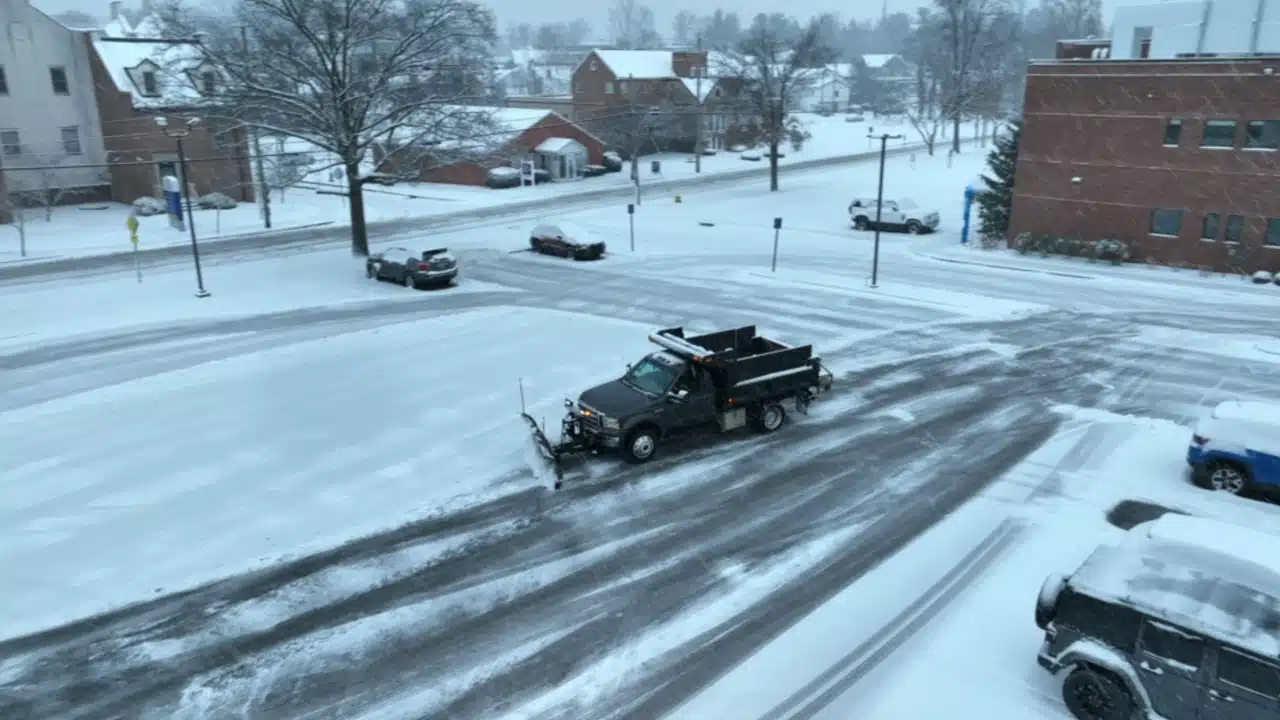
Municipal leaders trust us because we plan winter work like a capital asset, not a quick cleanup. We set plow routes, stacking limits, and ice control around how the site has to function after the storm, then we document each pass through the dispatch center and compliance reporting. That discipline matters on public properties near Woodward Avenue and Gratiot Avenue in Macomb County. We think past the next snowfall and protect the pavement, curb lines, and access points that have to hold up next season too.


Thank you again for a job well done.



Payment terms are outstanding in the last four years payments have always been on time.
The staff at D and J are great and very helpful if there is any issues.



My project involved multiple services and pulling permits and I had several quotes and most companies don’t offer multiple services or don’t pull permits and you have to do it yourself.
D & J is the only company who takes care of city permits and takes care of all the services you need from start to finish. They also update you on everything, keep you in a loop and confirms everything with you.
In our specific case we needed a curb cut, driveway leveled and parking lot sealed and coated so low sports vehicles can safely pull in without scraping the bottom and D & J did it so well you can pull in even on skateboard now.
Highly recommend D & J, top quality, smooth process.

We treat winter control as part of the asset, not a separate line item. If a site in Macomb County cannot take plow pressure, stacking load, and freeze-thaw movement without damage, we change the plan or walk away, because we build for the next project, not just this one.
That is how we protect access, reduce avoidable repairs, and keep our name tied to work that still holds up after the season ends.
Need a Certified Snow Removal Contractor This Season?
D&J Contracting is Southeast Michigan’s trusted commercial contractor. We respond to estimate requests within one business day and provide written quotes at no cost.
Call (586) 954-0008 or request an estimate online.