
Snow Relocation Site Infrastructure Engineering, Macomb County
Snow relocation is site infrastructure work, not a cleanup task. We plan haul routes, stacking zones, and off-site disposal before the first push so access stays open and pavement edges stay protected. On commercial properties across Macomb County, that means keeping loading docks, fire lanes, and sightlines usable while limiting damage from repeated plow traffic. Good winter work starts with layout, drainage, and where the snow has to go after it leaves the lane.
Contact Us Today!
MDOT Standards, Highway-Grade Snow Relocation
MDOT prequalification changes how we plan a winter site. It means our work has to hold up to highway-grade expectations, not commodity plowing. We size haul-away routes, stacking limits, and off-site disposal around traffic flow, drainage paths, and the load on pavement edges. That matters on properties tied to I-94 corridors and the M-59 business strip in Macomb County. We do not bury problems under a pile. We move snow with the next thaw in mind.

Serving Businesses In Macomb County
Accountability Starts With the Snow Plan

Accountability means we plan the snow before the storm hits, then we stand behind the plan when conditions change. If a stacking area starts choking a drive aisle or a haul route slows down traffic flow, we adjust fast and keep the site usable. I would rather tell a client the truth about what their property needs than push a quick fix that creates a bigger problem later. That is how we protect access, pavement edges, and long-term value in Macomb County.
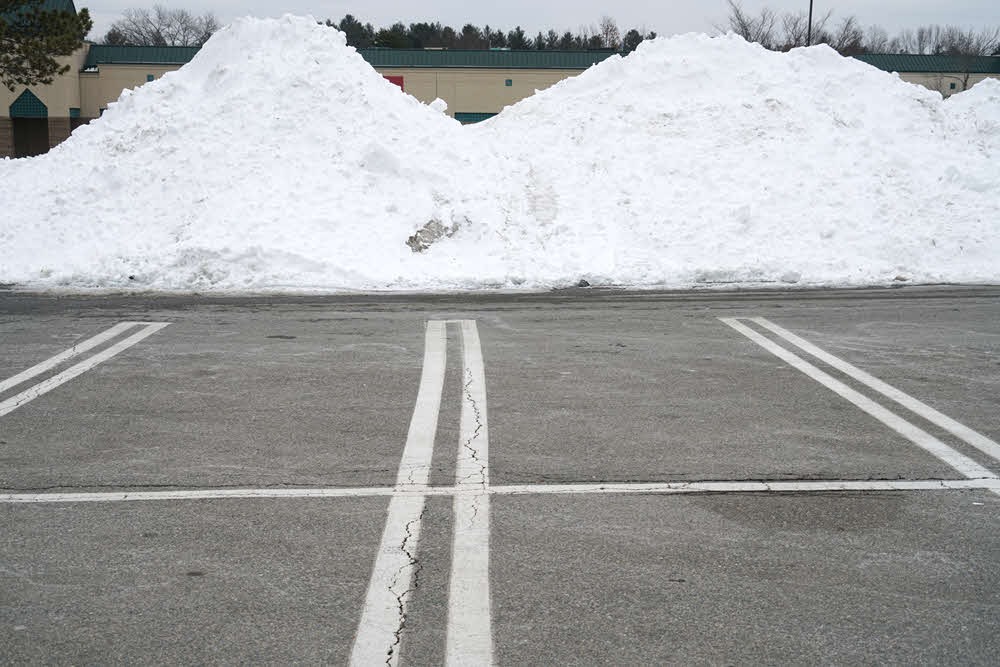
Sub-Grade Integrity Drives Winter Performance
Sub-grade decides how a winter site performs after the storm is gone. If the base holds water, settles under truck traffic, or breaks down at the edges, snow relocation only exposes the problem faster. We plan haul paths and stacking areas around drainage, curb strength, and pavement support so heavy equipment does not create new failures. That is how we protect loading docks, fire lanes, and access points across Macomb County without building spring repairs into the job.
Gradation and PSI Control
Aggregate gradation controls how a pile carries weight and sheds water. If the mix is too fine, it locks up and ruts under loader traffic. If it is too open, it shifts and loses shape. We watch compaction PSI because loose snow piles settle fast, then spread into drive aisles and fire lanes. On sites near Gratiot Avenue, that difference shows up after the first thaw. Good truck haul-away depends on a base that stays stable under repeated passes.
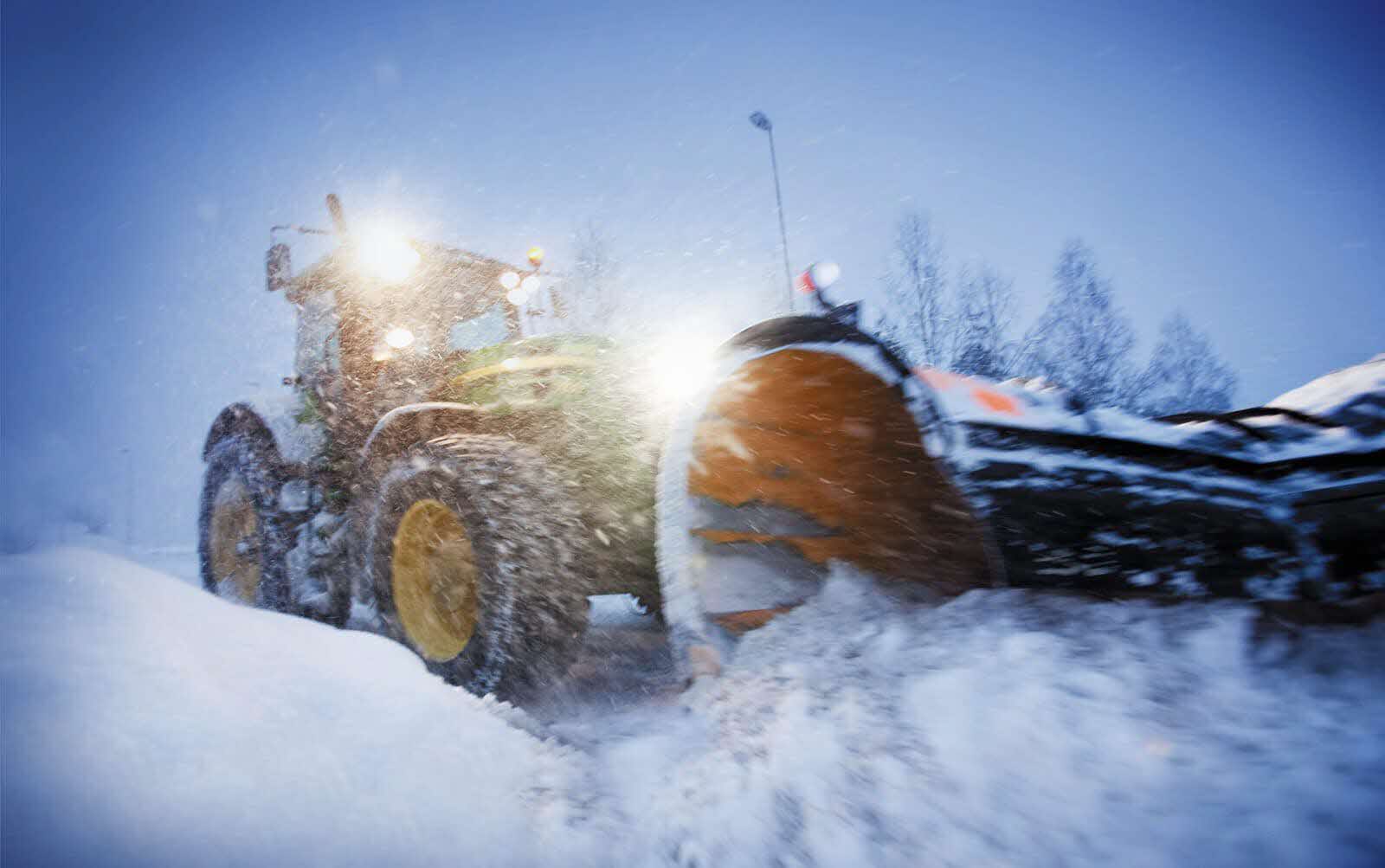

Moisture Control for Snow Storage
Water is what turns a snow pile into a site problem. We place storage where melt can move away from pavement, not back under it. That means watching slope, catch basins, curb cuts, and low spots before the first load is dumped. On properties near Hall Road and the I-75 corridor, poor drainage can freeze into sheet ice fast. Good truck haul-away and off-site disposal only work when meltwater has a clear path out.
Surface Layer Specs for Freeze-Thaw Cycles
Freeze-thaw cycles punish weak surface layers first. We spec the top layer to shed water, take repeated loader passes, and stay stable after refreeze. That means clean edges, proper thickness, and no soft spots left under the pile. If the surface breaks down, snow storage turns into rutting and ice buildup fast. On properties with heavy winter traffic near Macomb County, we plan for truck haul-away and off-site disposal before the first thaw exposes a bad section.
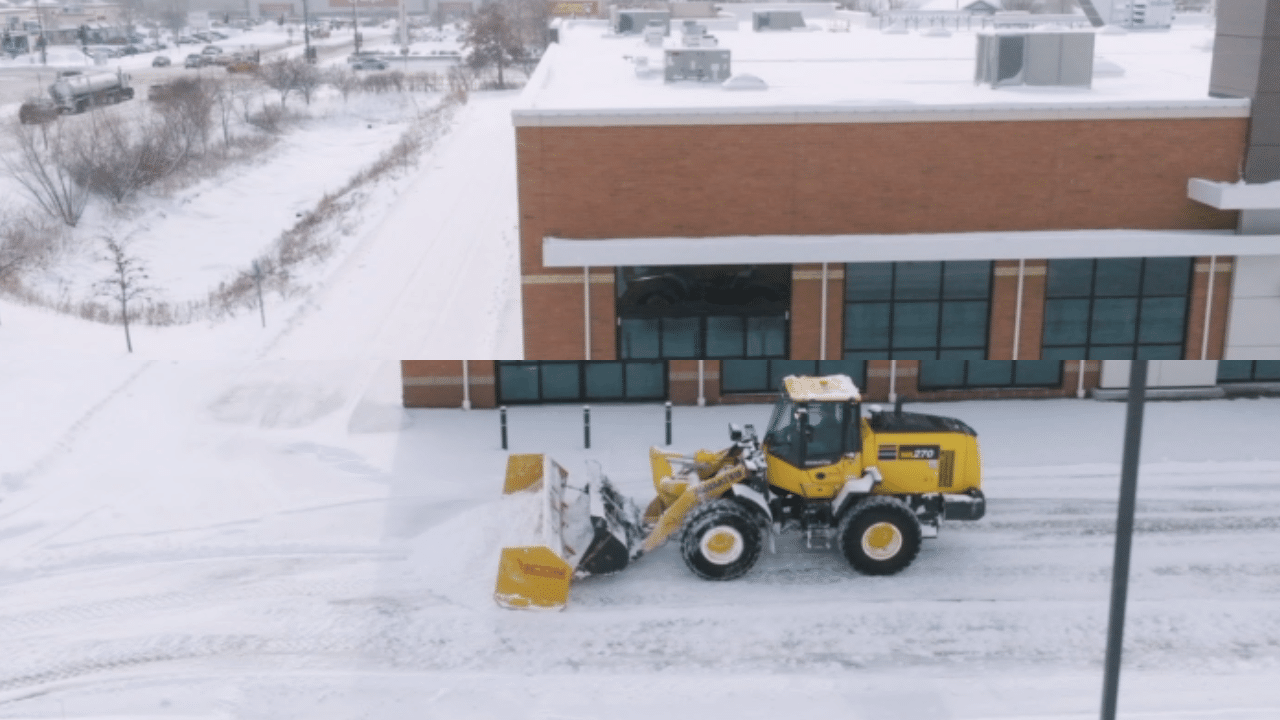
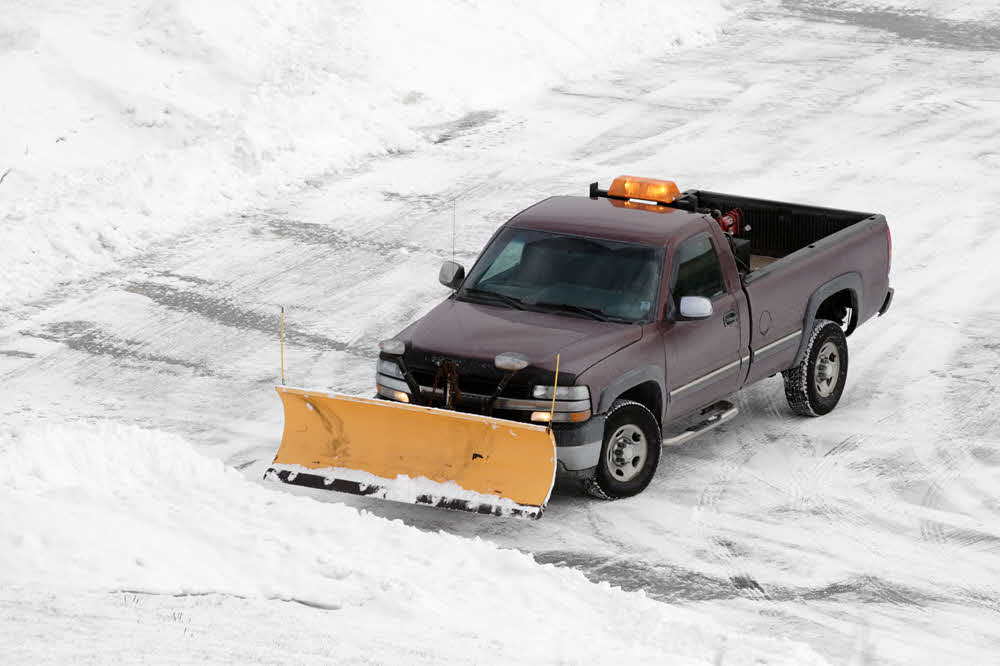
Industrial Crew Scale, Heavy Equipment
Industrial sites do not leave room for small crews or light equipment. We size the operation to match the property, then assign enough trucks, loaders, and operators to keep docks open and traffic moving without stacking snow where it blocks circulation. On heavy-use properties, one slow pass creates a bottleneck fast. Our work in Macomb County depends on timing, machine capacity, and clear haul paths. That is how truck haul-away and loading dock and fire lane clearance stay under control.
Clay Subgrades, Frost Heave Risk
Michigan clay holds water, then locks up when the temperature drops. That is the part most property owners do not see until spring. If we stage snow on weak subgrade, the pile settles, the edge breaks down, and meltwater pushes back into the lot. We plan truck haul-away and off-site disposal around frost depth, drainage fall, and pavement support so the site stays usable after repeated thaws in Macomb County.
Maintenance Cost Curve, Reactive Repairs
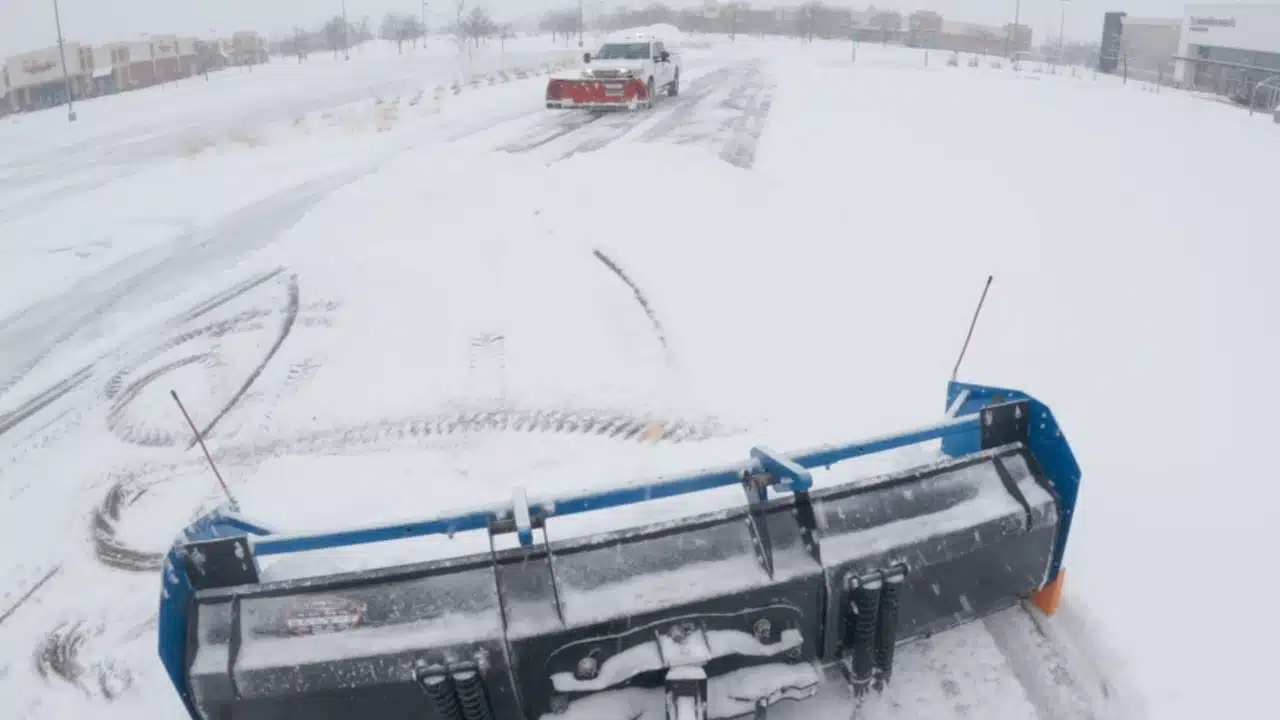
Reactive snow hauling costs more because the problem has already spread. Once piles block sightlines, crush curb edges, or force meltwater back into the lot, crews need extra machine time and more cleanup passes. Planned truck haul-away keeps those costs in check by moving snow before it turns into a drainage issue. On sites along Hall Road and near the I-75 ramps, that difference shows up fast after a thaw. We plan for the next storm, not the next repair.
No Shortcuts, No Weak Bases
We do not cover up a failed base and call it winter work. If the subgrade pumps, the edge breaks, or the lot holds water, snow hauling only makes the damage show up faster. We look at drainage, curb strength, and traffic paths before we move a pile. That is how we protect loading dock and fire lane clearance without creating spring repairs. On properties in Macomb County, physics sets the terms, not the bid sheet.
Durability Questions, Straight Answers
How long does a snow pile stay stable? Not long if we ignore drainage, base support, and thaw cycles. A pile that sits on weak pavement will spread, settle, and push meltwater back into the lot. We plan truck haul-away and off-site disposal around where the surface can carry load and where water can leave cleanly. That matters on industrial sites near 8 Mile Road and M-53, where repeated traffic turns a bad stack into a spring repair.
What protects durability during winter work? Clear haul paths, controlled stacking, and fast removal before piles grow into sightline or curb problems. We do not let snow sit where loader traffic will grind it into the edge of the pavement. That approach keeps loading dock and fire lane clearance intact and reduces damage that shows up after the thaw.
Site Health After Snow Moves
After the piles move, we check the site like a mechanic checks a truck after a hard run. We look for rutting at the curb line, blocked catch basins, soft spots near dock aprons, and snowmelt that wants to refreeze where traffic turns. If the surface starts failing there, the problem was already in the base. That is why our truck haul-away and off-site disposal work starts with site health, not just open pavement.
On properties in Macomb County, that discipline keeps loading dock and fire lane clearance usable after the thaw.
Standards That Hold Under Pressure
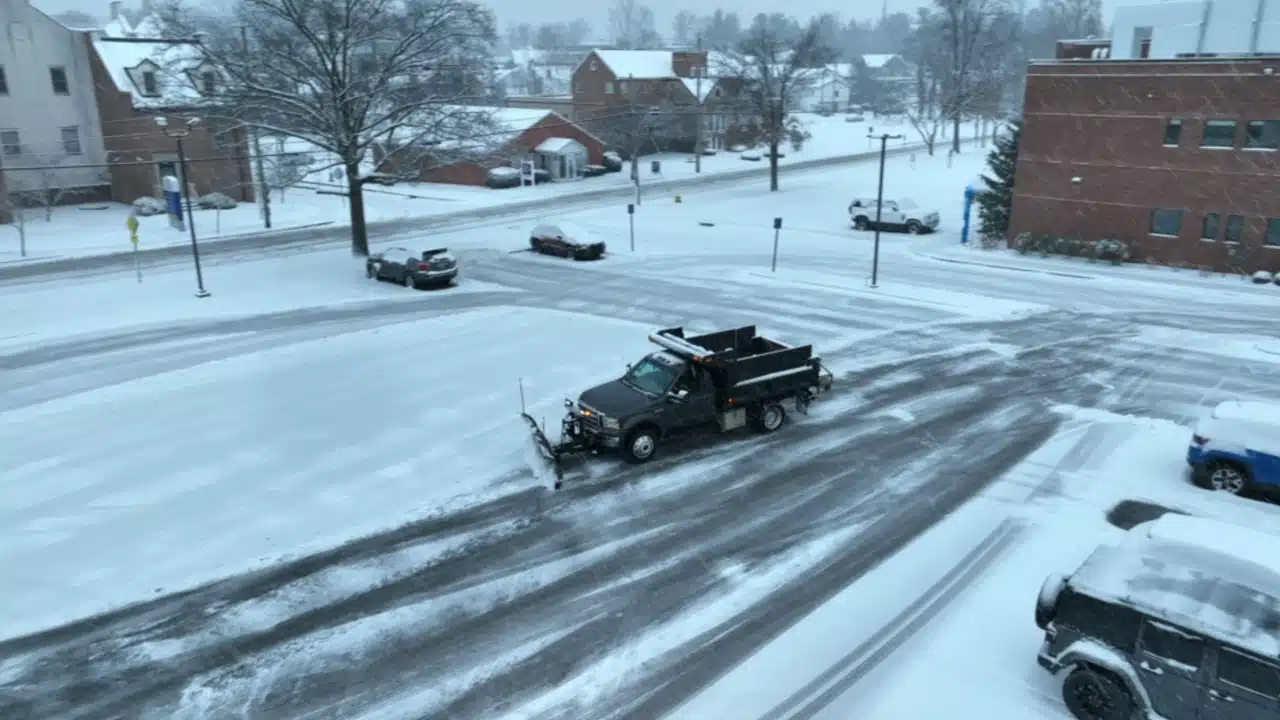
Municipal leaders trust us because we plan for the next thaw, not the next invoice. We map haul routes, stacking limits, and off-site disposal before equipment rolls, then we adjust when traffic or weather changes the site. That discipline protects access, sightlines, and pavement edges. In Macomb County, public work has to hold up under scrutiny. We build our snow operations around that reality and keep the long view in front of every decision.


Thank you again for a job well done.



Payment terms are outstanding in the last four years payments have always been on time.
The staff at D and J are great and very helpful if there is any issues.



My project involved multiple services and pulling permits and I had several quotes and most companies don’t offer multiple services or don’t pull permits and you have to do it yourself.
D & J is the only company who takes care of city permits and takes care of all the services you need from start to finish. They also update you on everything, keep you in a loop and confirms everything with you.
In our specific case we needed a curb cut, driveway leveled and parking lot sealed and coated so low sports vehicles can safely pull in without scraping the bottom and D & J did it so well you can pull in even on skateboard now.
Highly recommend D & J, top quality, smooth process.

We plan snow work the same way we plan any serious site, around access, drainage, and what the property needs after the thaw. In Macomb County, that means building for the next project, not just clearing this one.
Need Snow Relocation for Overflow Staging or Pileup Issues?
D&J Contracting is Southeast Michigan’s trusted commercial contractor. We respond to estimate requests within one business day and provide written quotes at no cost.
Call (586) 954-0008 or request an estimate online.