
Snow Management Site Infrastructure Engineering, Macomb County
Snow control is site infrastructure work. We plan plow paths, stacking zones, and ice response around traffic flow, curb lines, drains, and concrete edges so winter service does not create spring damage. In Macomb County, that means reading each property before the first storm, then adjusting snow removal services to the way the site actually moves. Good commercial snow management protects access first, but it also protects the pavement system underneath.
We use pre-storm planning, site maps and staking, and post-storm reporting to keep crews aligned and property managers informed. That discipline cuts down on missed areas, pile conflicts, and avoidable salt use.
Contact Us Today!
MDOT Standards, Highway-Grade Snow Control
MDOT prequalification changes how we plan winter work. It tells property managers we can handle regulated sites, tight access points, and the documentation that comes with them. We do not treat snow and ice control like a commodity route. We build the response around site maps and staking, trigger points, and equipment staging so the first pass clears traffic lanes without tearing up curbs or blocking drains. That is the difference between plowing snow and managing risk.
On properties tied to Macomb County operations, we use highway-grade discipline for salt placement, pile control, and post-storm reporting. The goal stays simple: keep access open, protect pavement edges, and avoid the kind of damage that shows up after thaw.

Serving Businesses In Macomb County
Accountability Starts Before the First Plow

I hold our winter work to one standard: if we cannot explain the plow path, the stacking plan, and the salt trigger before the storm, we are not ready. Accountability means we own the site from first pass to final cleanup, and we document what happened so there is no guessing later. On properties with tight access and heavy traffic, that discipline protects pavement edges, drains, and curb lines. I would rather turn down a bad setup than force a plan that will fail under load.
Sub-Grade First, Winter Lasting
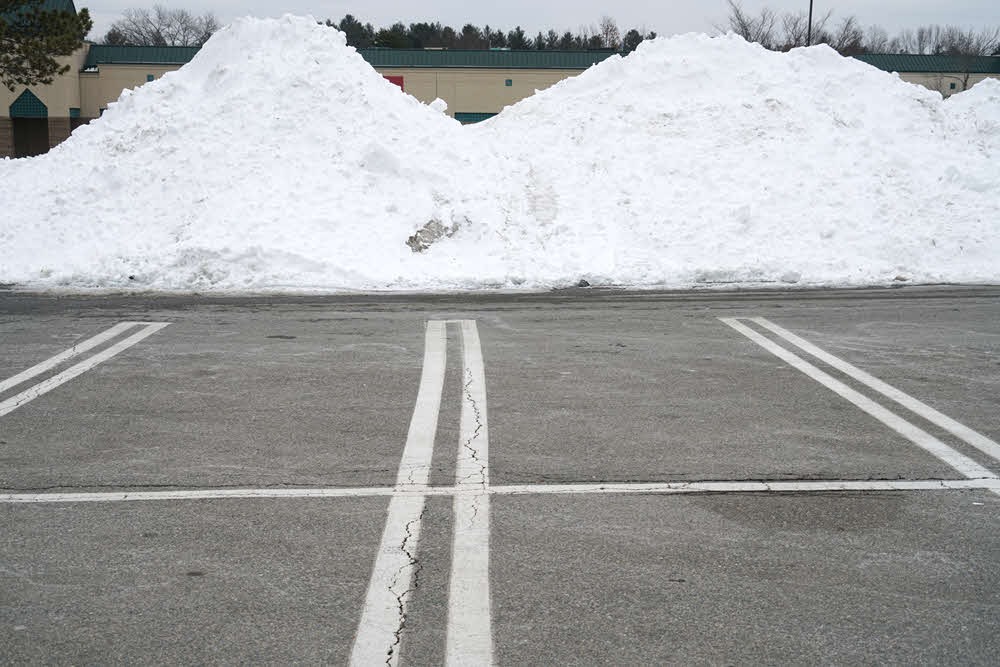
We start with the sub-grade because winter exposes weak ground fast. If the base holds water, shifts under load, or breaks at the edges, plowing only makes the problem show up sooner. On sites tied to Macomb County, we plan snow removal services around that reality. We protect curb lines, drainage paths, and traffic lanes first, then set the plow pattern to reduce stress on the pavement system. That is how commercial snow management supports long-term performance instead of fighting it.
Aggregate Gradation, Compaction PSI
Aggregate gradation controls how a winter site carries load. Too much fine material locks up and holds water, too much open stone shifts under the blade. We watch that balance because compaction PSI only matters if the base can shed moisture and stay tight under repeated truck traffic. On properties with loading lanes and tight turns, we plan snow removal services around the base condition first, then set plow pressure so we do not shear weak edges or expose soft spots.
That approach keeps commercial snow management tied to structure, not just cleanup.


Drainage Paths, Meltwater Control
Water is the part most crews miss. We read the site for where melt runs, where it pools, and where it freezes again after traffic packs it down. Catch basins, curb cuts, and low spots have to stay open or the lot turns into a sheet of ice by morning. In Macomb County, we build snow clearing services around drainage first, then set plow routes and pile locations so runoff has a path instead of a problem.
That is how commercial snow management protects the pavement below the snow line.
Freeze-Thaw Surface Layer Specs
Freeze-thaw work starts with the surface mix. We want a pavement skin that sheds water fast, resists raveling, and holds together after repeated plow passes. On sites near Gratiot Avenue and 23 Mile Road, we watch how meltwater moves across the lot, then set salt rates and blade pressure to match the surface condition. If the top layer is weak, winter finds it. That is why pre-storm planning and post-storm reporting matter as much as the plow route.
Industrial Crew Scale, Heavy Equipment
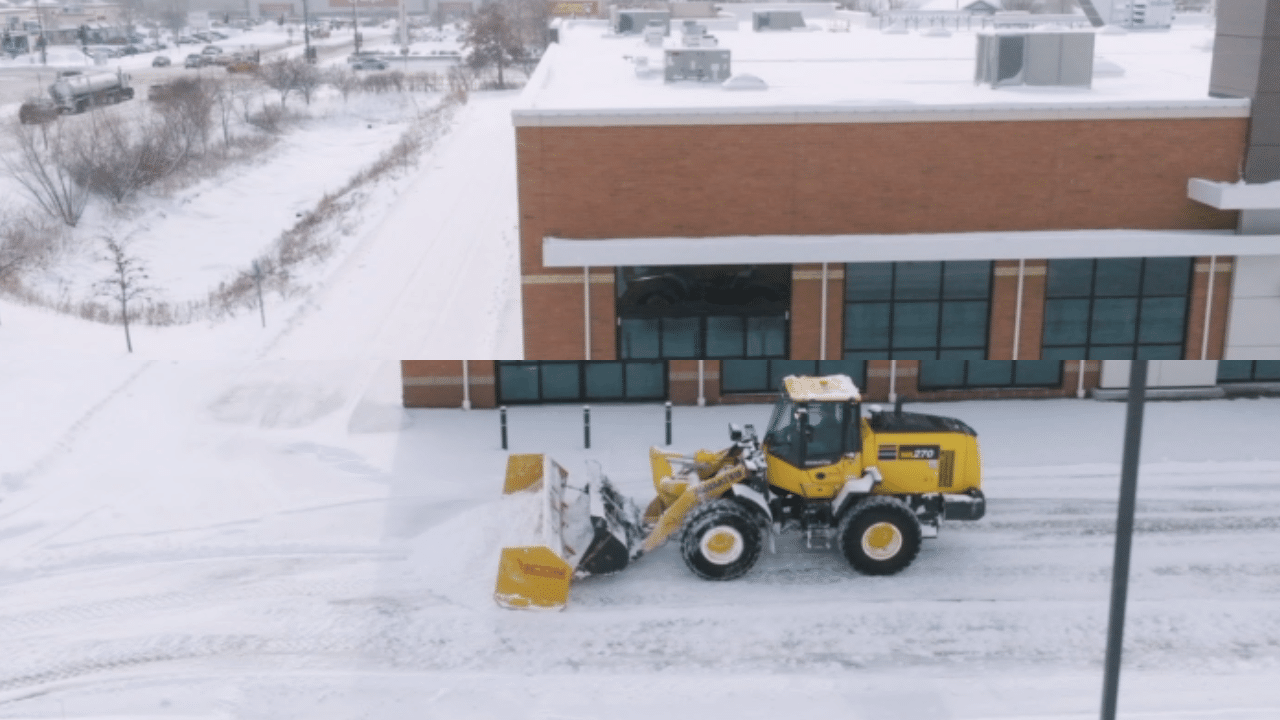
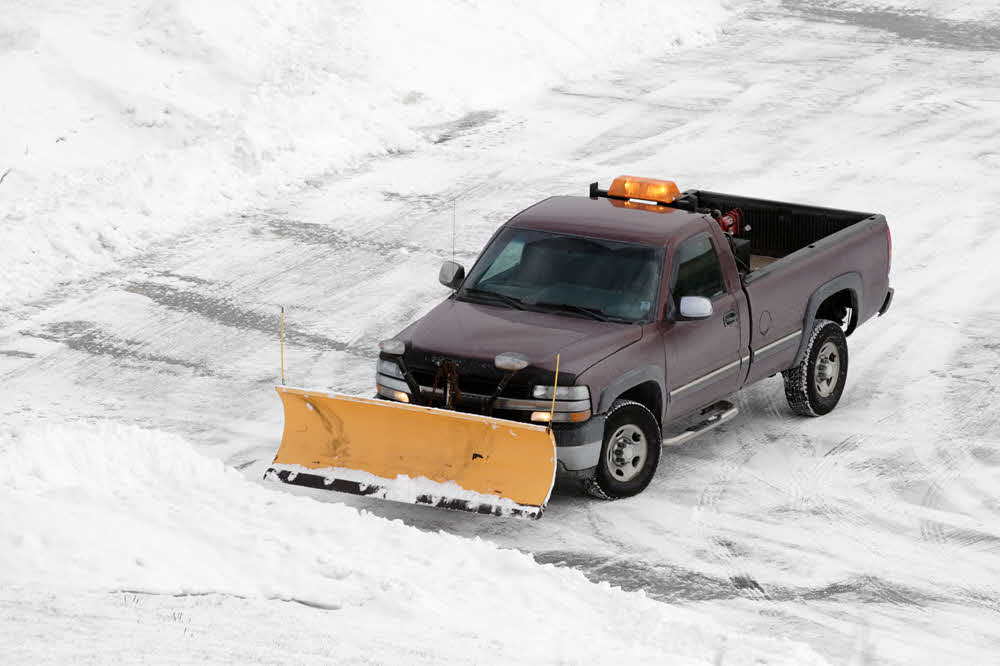
Industrial sites do not forgive small crews or light equipment. We size the response to the property, not the storm headline. That means enough plows, loaders, and salt capacity to keep truck courts open, dock doors usable, and turning lanes clear without stacking snow where freight needs to move. On Macomb County facilities, we stage equipment before the first pass so we are not chasing problems after traffic builds. That is how snow and ice management stays controlled under load.
Big lots need disciplined crew spacing and a clear chain of command. One operator misses a lane, another buries a drain, and the whole site pays for it later. We plan site maps and staking, then tie each route to the way forklifts, semis, and employee traffic actually move.
Clay Subgrades, Frost Heave Risk
Michigan clay holds water, then locks up hard after a freeze. That is the ground truth under a lot of winter sites in Macomb County. If the subgrade stays soft, plow traffic and stacked snow push the problem deeper instead of solving it. We plan snow removal services around that risk by reading drainage, edge support, and thaw patterns before the first storm. Good winter storm management starts with soil that can carry load, not just a clear surface.
Maintenance Cost Curve, Reactive vs Proactive
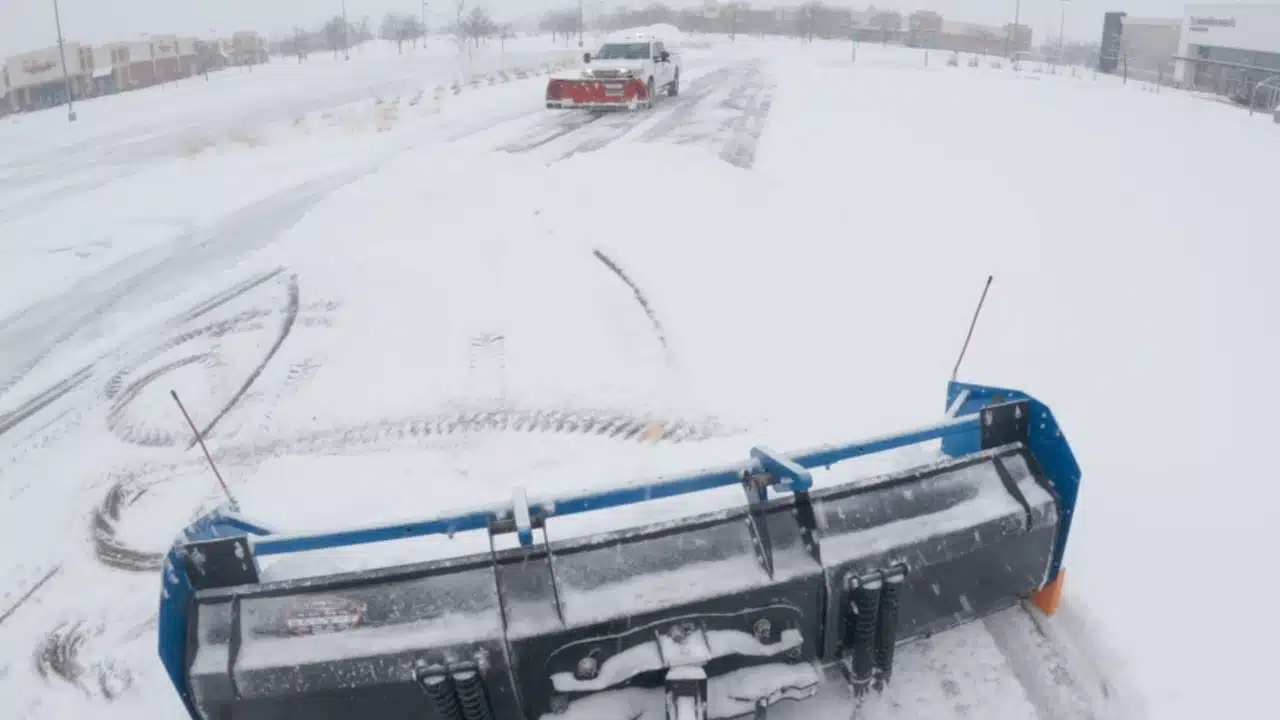
Reactive winter work costs more because it starts after the damage is already in motion. Ice builds at the curb, water backs into joints, and plow traffic keeps working weak edges. Proactive planning lowers that curve. We set trigger points, stack snow where runoff will not refreeze, and use pre-storm planning to keep the site stable before conditions turn. On properties tied to Macomb County, that approach protects access and reduces spring repair bills.
Post-storm reporting also matters. It shows what was treated, what was moved, and where risk stayed high so the next event starts with better information.
Failed Bases, No Shortcuts
We do not push snow work onto a bad site plan. If the base has failed, plowing only exposes it faster. Soft edges, poor drainage, and weak support under the pavement turn every pass into added damage. Our job is to read the lot honestly, set the plow path around the structure, and say no to shortcuts that create spring repairs. That is how we handle commercial snow management in Macomb County.
We use site maps and staking, pre-storm planning, and post-storm reporting to keep decisions tied to field conditions, not guesswork.
Durability Questions, Straight Answers
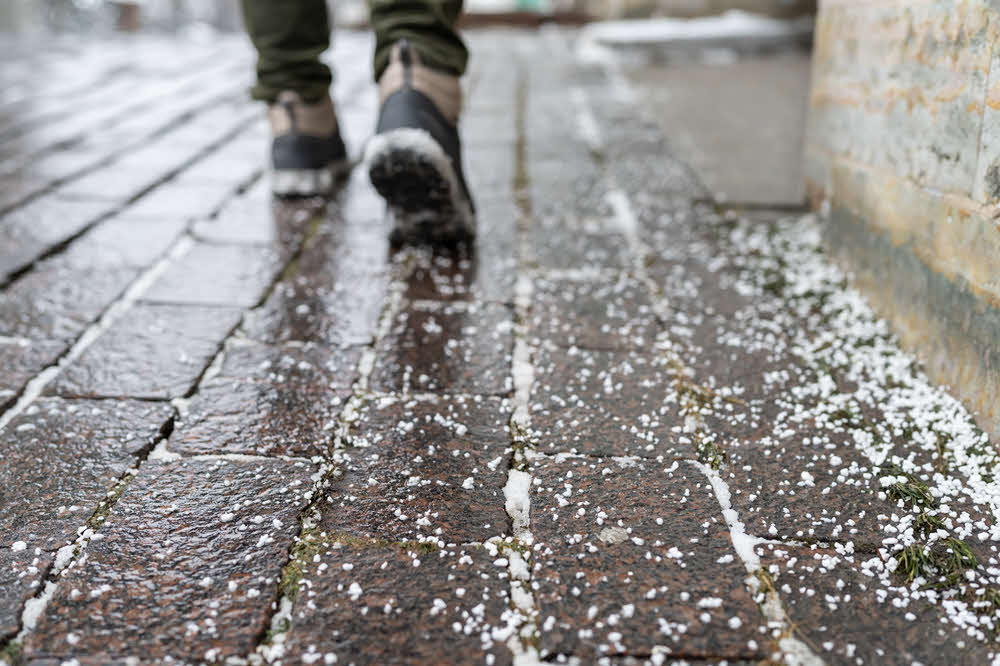
Durability starts with the site, not the storm. If the base holds water, plow traffic will expose it fast. We answer durability questions by looking at drainage, edge support, and how trucks move across the lot. On seasonal snow contracts, we set plow paths and stacking areas before the first event so winter work does not chew up curb lines or joints. That is how we protect the asset in Macomb County.
Pre-storm planning and post-storm reporting keep the work tied to field conditions, not guesswork.
Site Health After Winter Load
After winter load, we judge the site by what moved, what settled, and where water wants to sit. Soft edges, broken joints, and blocked inlets tell the story fast. In Macomb County, that check has to happen before the next freeze locks the damage in place. We use post-storm reporting to track those conditions, then adjust pre-storm planning and site maps and staking so the next event starts with better control.
Good winter work leaves a lot usable in spring. Bad work leaves a repair list.
Accountability for Winter Site Control
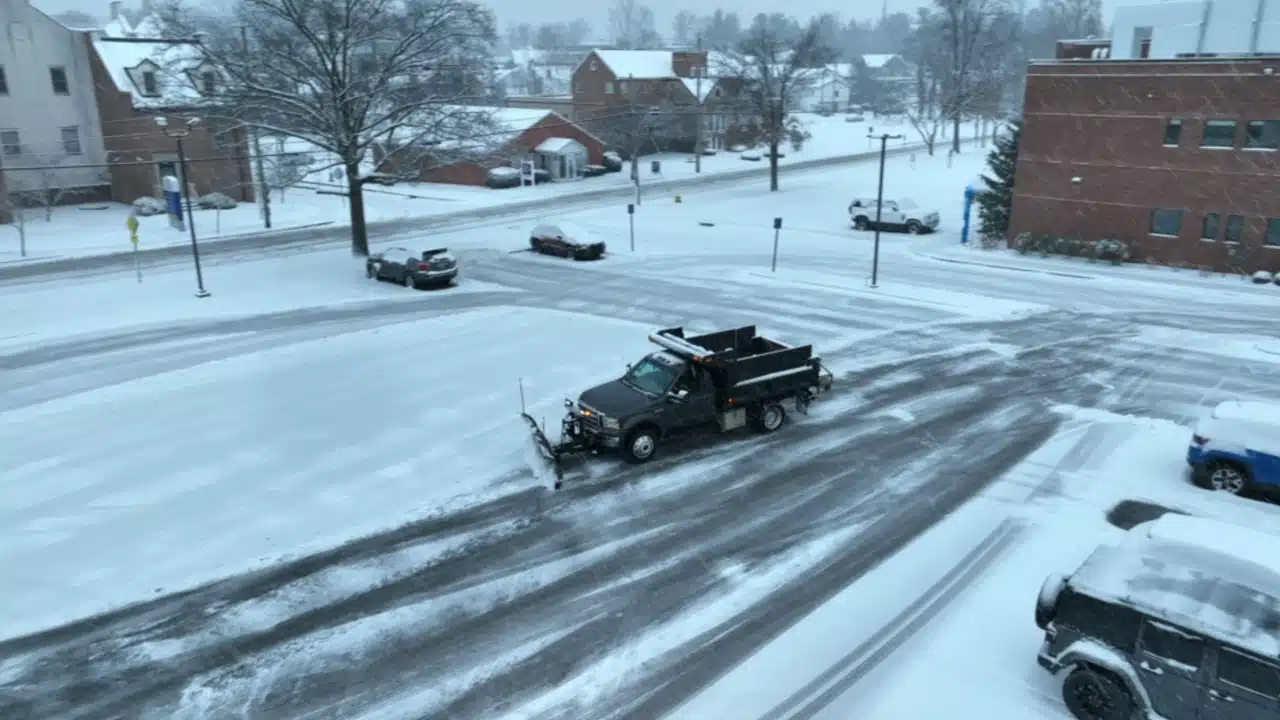
Municipal leaders trust us because we plan winter work like a public asset, not a quick cleanup. We set plow paths, stack snow where runoff will not refreeze, and document each pass so the next decision is based on field conditions, not guesswork. On sites with tight access and heavy traffic in Macomb County, that long view protects curb lines, drainage, and budget control. We would rather slow down than create spring repairs.


Thank you again for a job well done.



Payment terms are outstanding in the last four years payments have always been on time.
The staff at D and J are great and very helpful if there is any issues.



My project involved multiple services and pulling permits and I had several quotes and most companies don’t offer multiple services or don’t pull permits and you have to do it yourself.
D & J is the only company who takes care of city permits and takes care of all the services you need from start to finish. They also update you on everything, keep you in a loop and confirms everything with you.
In our specific case we needed a curb cut, driveway leveled and parking lot sealed and coated so low sports vehicles can safely pull in without scraping the bottom and D & J did it so well you can pull in even on skateboard now.
Highly recommend D & J, top quality, smooth process.

We treat winter work like asset protection, not a cleanup call. If the site cannot carry the load, we say so, fix the plan, and build for the next project.
Ready for a Season-Long Snow Management Plan?
D&J Contracting is Southeast Michigan’s trusted commercial contractor. We respond to estimate requests within one business day and provide written quotes at no cost.
Call (586) 954-0008 or request an estimate online.