
Snow Clearing Site Infrastructure Engineering, Macomb County
Snow clearing is site infrastructure work. We treat plowing, hand shoveling crews, walkway and staircase clearing, and loading dock and dumpster pad clearing as part of the property’s operating system, not a stand-alone chore. Poor push patterns create ice traps, blocked drains, and damaged edges. In Macomb County, we plan routes around traffic flow, curb lines, ADA ramps, and stacking space so access stays open without beating up the site.
Contact Us Today!
MDOT Prequalification, Highway-Grade Snow Control
MDOT prequalification tells property managers we work to a higher standard than commodity plowing. We plan for traffic lanes, stacking room, and freeze-thaw cycles before the first push. That matters on sites with entrances and ADA ramps, loading dock and dumpster pad clearing, and hand shoveling crews where machine work can damage edges or block drainage. In Macomb County, that level of control reduces callbacks and keeps winter access predictable.

Serving Businesses In Macomb County
Accountability Starts With Every Push

I judge our work by what the site looks like after the storm and after the thaw. If we leave snow where it will refreeze, block a drain, or chew up an edge, that is on us. I would rather slow down, move the pile once, and keep the property usable than push fast and create a problem for spring. Accountability means owning the route, the timing, and the cleanup at entrances and ADA ramps.
Sub-Grade First, Winter Access Lasts
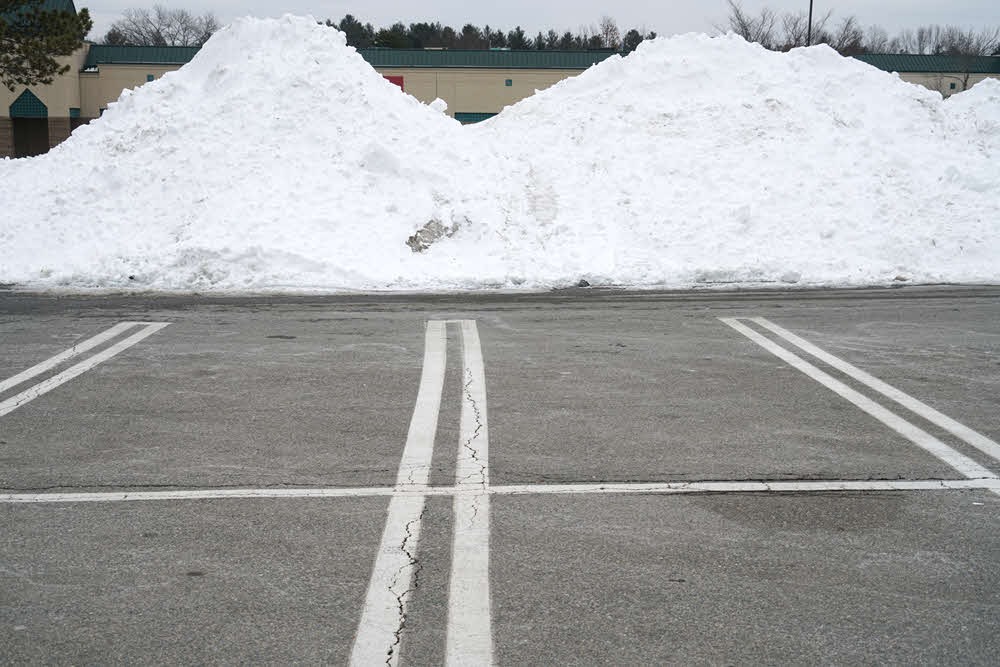
We start with the ground, not the blade. If the sub-grade holds water, shifts under load, or breaks down at the edge, snow work only exposes it faster. That is why we watch drainage paths, curb lines, and traffic pinch points before winter settles in. On sites near Hall Road and M-59, a bad push can turn into a frozen rut by morning. Good planning keeps entrances open and reduces damage at loading dock and dumpster pad clearing points.
Aggregate Gradation, Compaction PSI Control
We read the aggregate like a load path. Fines, stone size, and moisture all change how a surface carries traffic and how it sheds meltwater. If the base is open and well graded, plow loads stay predictable and the edge holds up better under repeated passes. If it is tight or washed out, compaction turns uneven fast. On properties near Hall Road and Schoenherr Road, that difference shows up at entrances and ADA ramps first.
That is why we match push speed, blade angle, and hand shoveling crews to the site instead of forcing one routine everywhere. Loading dock and dumpster pad clearing needs a different approach than storefront sidewalks or long drive lanes. We want enough pressure to move snow cleanly, not so much that we polish the surface or tear up weak spots.

Drainage Paths Before Freeze-Up
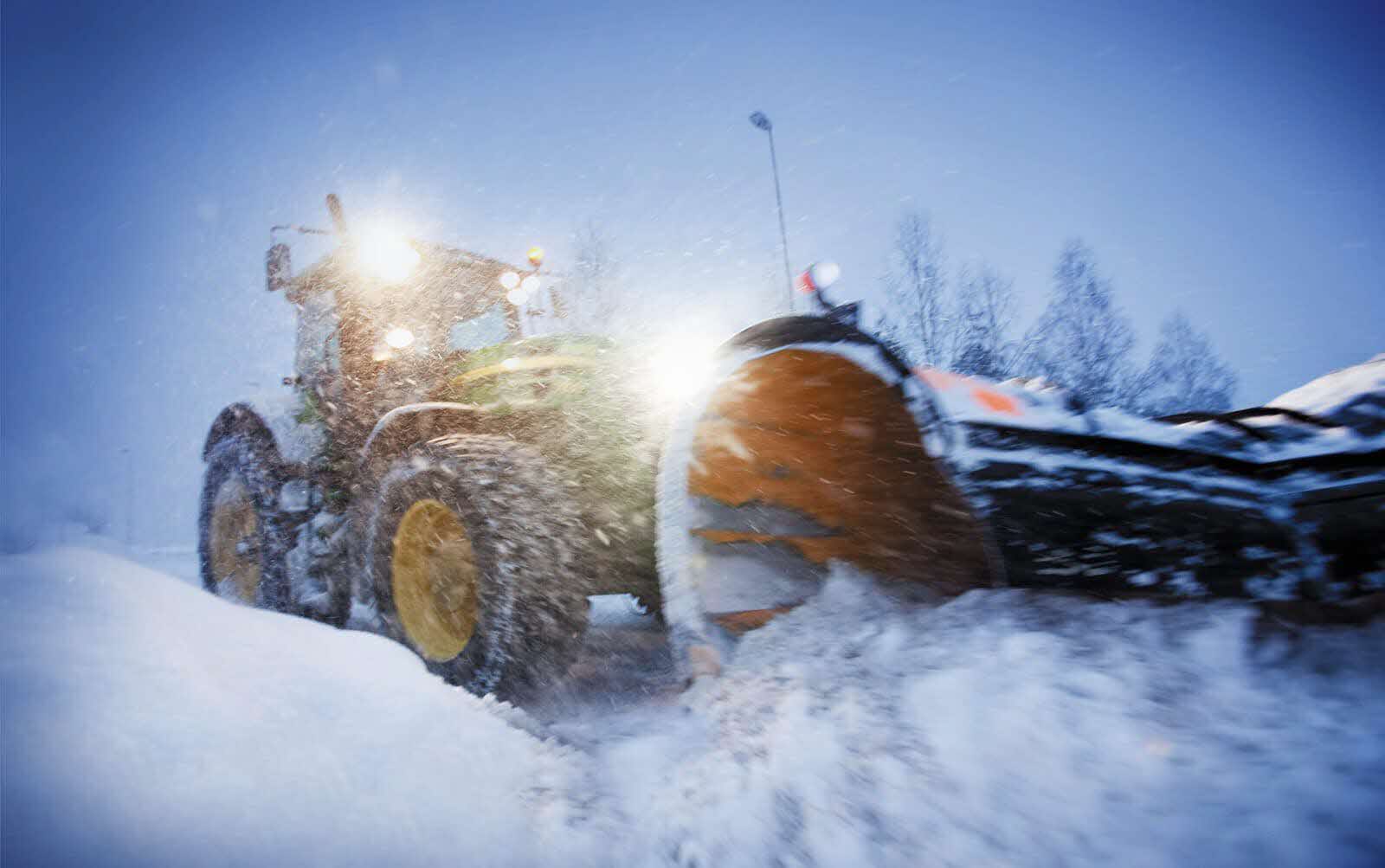
Water is the real load on a winter site. We clear to keep meltwater moving off the pavement, not trapped against curb lines, catch basins, or low spots that freeze by morning. If a drain is buried or a pile sits where runoff needs to travel, the lot turns into ice. On properties near Hall Road and Schoenherr Road, we plan push direction, stacking areas, and hand shoveling crews around those flow paths so entrances and ADA ramps stay usable.
That approach protects the base under the surface and cuts down on refreeze at loading dock and dumpster pad clearing points.
Surface Layer Specs for Freeze-Thaw Control
Surface spec matters once the temperature swings start. We use blade settings and salt application around the pavement’s finish, not just the storm total. A tighter surface sheds snow cleaner, but a polished one can glaze over fast if crews overwork it. On sites with entrances and ADA ramps, we keep the pass light enough to protect the top layer and aggressive enough to avoid packed snow that turns into ice by morning.
That balance holds up better on properties tied to Hall Road traffic and winter runoff patterns in Macomb County.
Industrial Crews for Large-Site Clearing
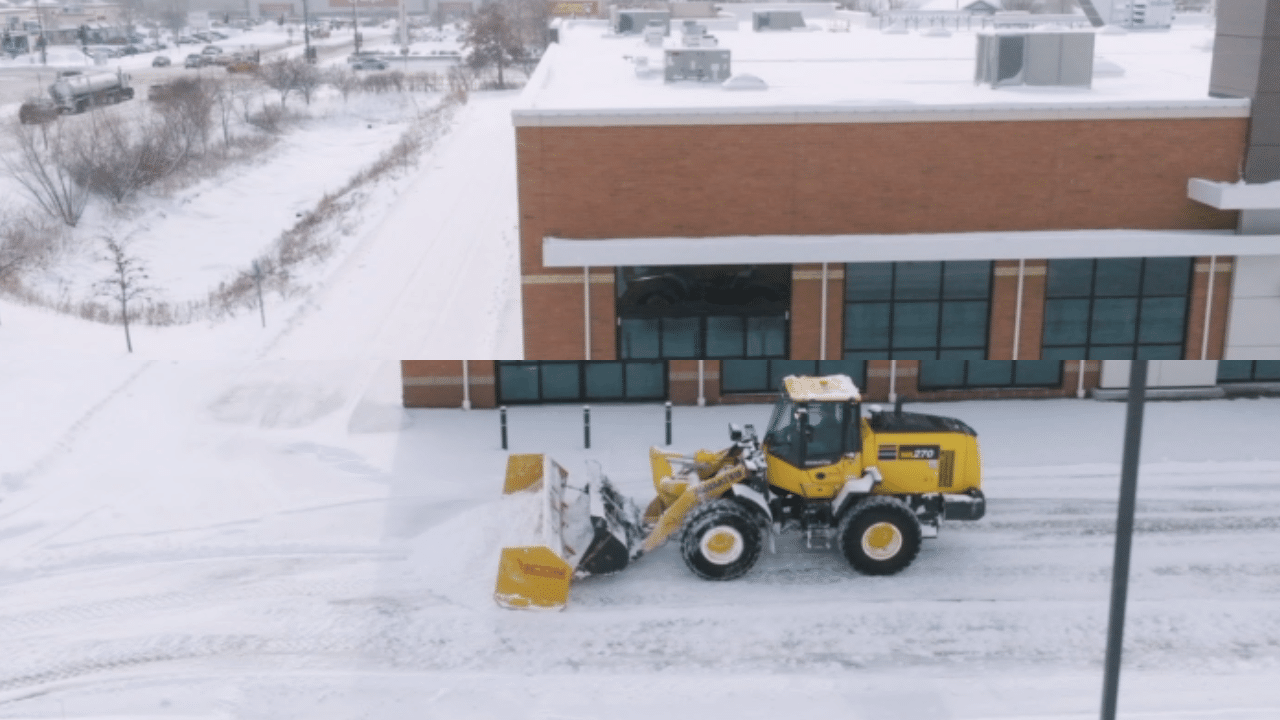
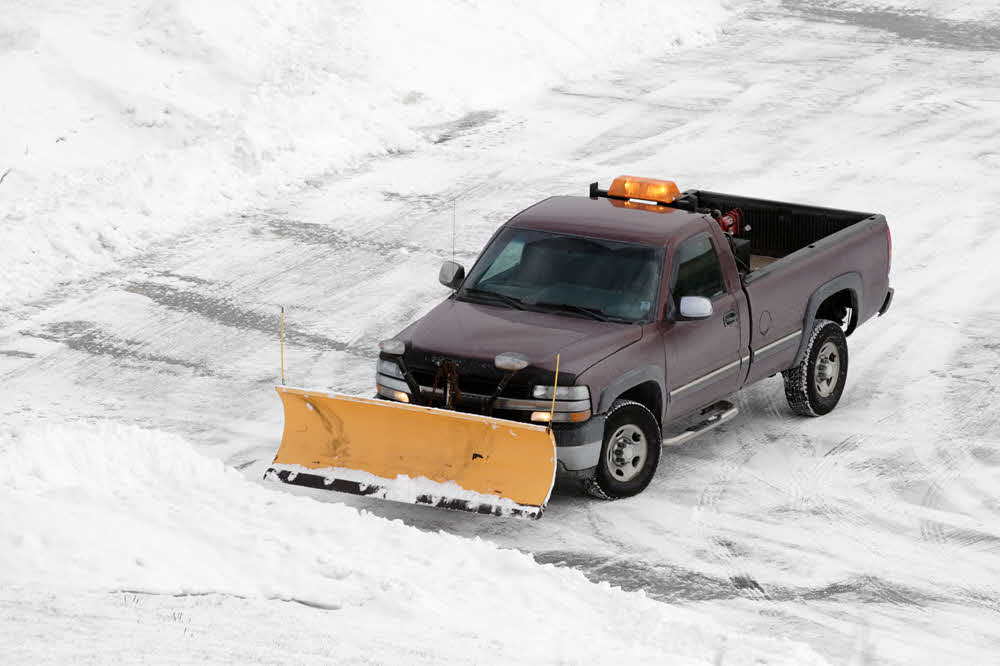
Industrial sites need more than a pickup and a blade. We stage larger trucks, loaders, and hand shoveling crews so we can keep traffic lanes open while clearing entrances and ADA ramps, loading dock and dumpster pad clearing points, and long runs of pavement without backing into dead ends. On heavy-use properties along 23 Mile Road and Gratiot Avenue, that scale matters. It lets us move snow in fewer passes, protect edges, and keep the site usable under repeated storms.
Clay Frost Heave Control
Clay does not forgive bad winter planning. Once the ground locks up, frost heave pushes weak spots higher and meltwater follows the same paths every storm. We watch low areas, edge breaks, and places where traffic packs snow into the surface. That is why we keep hand shoveling crews on entrances and ADA ramps, and we clear loading dock and dumpster pad clearing points before refreeze sets in. Around Macomb County, the sites that hold up are the ones where drainage and push direction get handled early.
Maintenance Cost Curve, Not Repair Spikes
Snow removal costs climb fast when owners wait for the first real problem. A light pass on packed snow, a hand shoveling crew at entrances and ADA ramps, and quick snow clearing services for commercial properties cost far less than fixing ice damage, blocked drains, or broken edges after repeated freeze-thaw cycles. We plan for the next storm, not the next complaint. That keeps winter work tied to maintenance, not emergency repair.
On sites in Macomb County, the cheapest move is usually the one that keeps water moving and traffic lanes open before the pile turns hard.
Failed Base, No Shortcuts
We do not push snow over a failed base and call it done. If the surface pumps, settles, or traps water, the problem will show up again after the next thaw. Our job is to keep traffic moving without grinding weak spots into deeper damage. That means adjusting blade pressure, protecting entrances and ADA ramps, and using hand shoveling crews where machine work would do more harm than good. On sites tied to Macomb County winter traffic, that discipline saves the pavement from avoidable abuse.
Durability Questions, Straight Answers
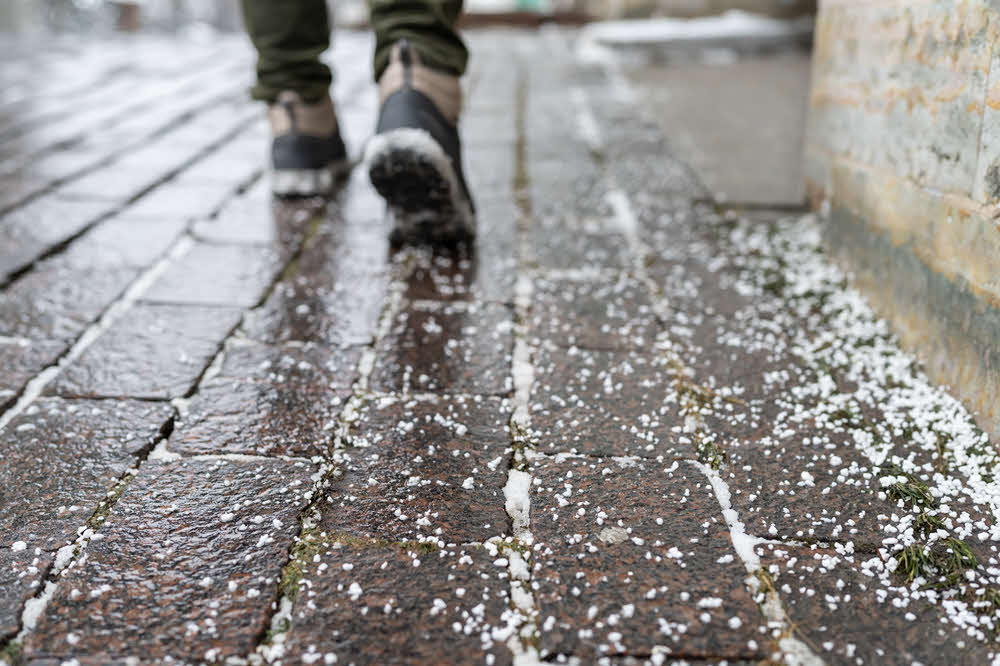
Durability starts with the first push. We do not scrape a weak surface and hope for the best. We read the site, set blade pressure to protect the base, and keep snow out of drainage lines so meltwater does not refreeze under traffic. On loading dock and dumpster pad clearing points, that discipline matters because repeated passes can break down edges fast. For business premises, hand shoveling crews at entrances and ADA ramps keep the finish intact where machines would cause damage.
Q: What shortens pavement life in winter?
A: Packed snow left in place, bad stacking, and over-aggressive plowing. Those three create ice, edge failure, and extra stress on the surface.
Site Health After Every Storm
After every storm, we check the site like a mechanic checks a truck. We look for packed snow at entrances and ADA ramps, ice forming along curb lines, and meltwater trapped near loading dock and dumpster pad clearing points. If the pile placement or blade path is wrong, the damage shows up fast. Good winter work leaves the property open, drains clear, and the pavement ready for the next cycle. That is how we protect site health in Macomb County.
Accountability for Every Winter Push
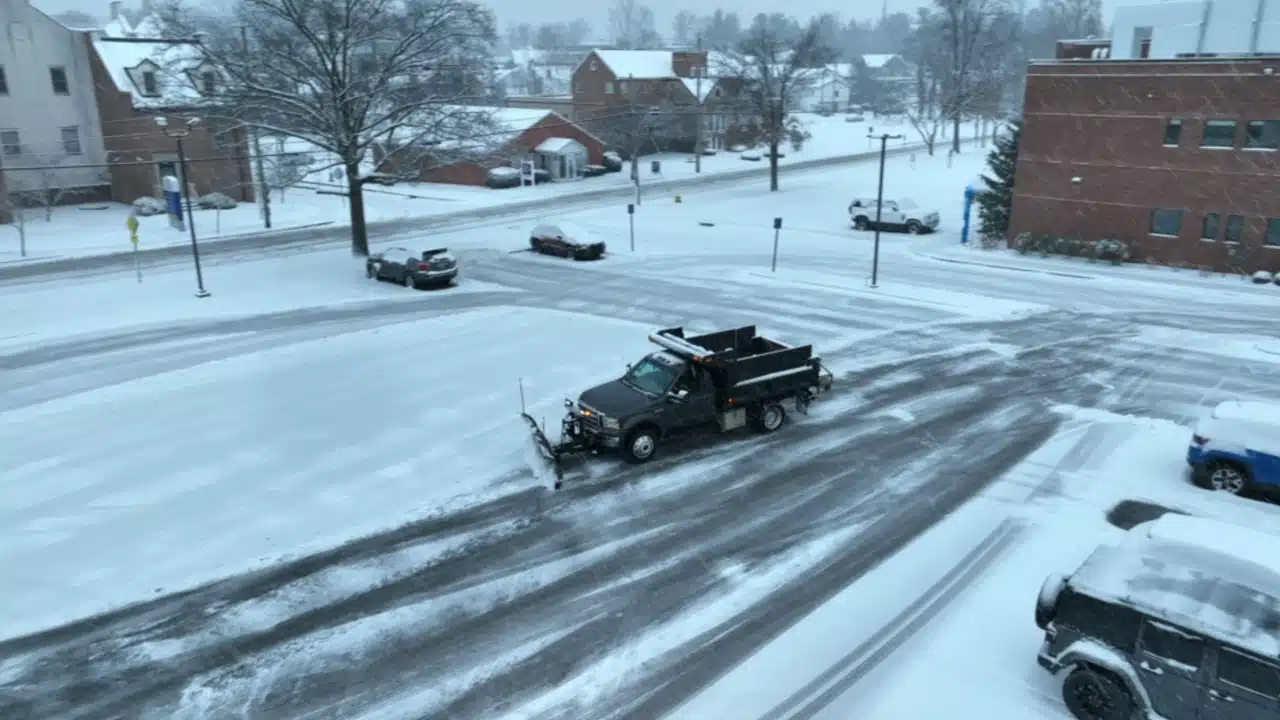
Municipal leaders trust us because we plan for the long view, not the next storm report. We read traffic patterns, stacking room, drainage, and pedestrian routes before crews roll. That keeps entrances and ADA ramps open, reduces refreeze at loading dock and dumpster pad clearing points, and limits damage from repeated passes. In Macomb County, that kind of discipline matters more than speed on paper. It shows up in fewer surprises, cleaner handoffs, and sites that hold up through winter.


Thank you again for a job well done.



Payment terms are outstanding in the last four years payments have always been on time.
The staff at D and J are great and very helpful if there is any issues.



My project involved multiple services and pulling permits and I had several quotes and most companies don’t offer multiple services or don’t pull permits and you have to do it yourself.
D & J is the only company who takes care of city permits and takes care of all the services you need from start to finish. They also update you on everything, keep you in a loop and confirms everything with you.
In our specific case we needed a curb cut, driveway leveled and parking lot sealed and coated so low sports vehicles can safely pull in without scraping the bottom and D & J did it so well you can pull in even on skateboard now.
Highly recommend D & J, top quality, smooth process.

We clear winter sites the same way we plan every job, with the next project in mind. If a push pattern, pile location, or hand shoveling pass will hurt the surface later, we change it now and protect the asset for the long haul in Macomb County.
Need Your Property Cleared After Every Snowfall?
D&J Contracting is Southeast Michigan’s trusted commercial contractor. We respond to estimate requests within one business day and provide written quotes at no cost.
Call (586) 954-0008 or request an estimate online.