
Snow Removal Site Infrastructure Engineering, Macomb County
Snow removal is site infrastructure work. We treat plowing, deicing, stacking, and meltwater control as part of the property’s operating system, not a stand-alone chore. Poor blade angles, bad pile placement, and sloppy salt application create curb damage, drainage problems, and liability fast. Our crews plan for access lanes, loading areas, and freeze-thaw cycles before the first storm hits. That discipline matters on commercial properties across Macomb County.
We build each route around risk points, not guesswork. That means clear trigger depths, documented service timing, and a safety program that protects pavement edges, concrete joints, and traffic flow. Property managers get straight communication and the paperwork they need: W-9 and COI provided. For municipal and commercial clients who need local snow removal company support with rapid response scheduling only when conditions justify it.
Contact Us Today!
MDOT Prequalification, Highway-Grade Snow Control
MDOT prequalification changes how we plan winter work. It tells property managers we run a disciplined operation, not a pickup truck with a blade. For commercial sites, that matters because the same habits used on highway work apply here: clear trigger points, controlled passes, documented service, and no shortcuts around safety. We size routes for real storm timing, not wishful thinking.
That approach fits the hard conditions we see along Hall Road and the industrial corridors near I-94. Heavy traffic, tight stacking space, and repeated freeze-thaw cycles punish weak snow plans. We use highway-grade methods to protect pavement edges, keep drainage open, and reduce salt waste. For municipal and commercial clients looking for a local snow removal company or an affordable snow removal company, that level of control is what keeps winter from turning into spring repairs.

Serving Businesses In Macomb County
Accountability Starts With Every Pass

Accountability means we own the result before the first truck moves. If a lot needs a different plow pattern, a wider stack area, or less salt near a drain, we make that call and explain why. I would rather slow the job down than create curb damage or ice buildup that shows up later. That is how we protect commercial properties and keep municipal and commercial clients from paying for bad decisions twice.
We plan for the next storm, not just the current pass. That starts with clear site notes, honest reporting, and a safety program that keeps crews disciplined when conditions change fast.
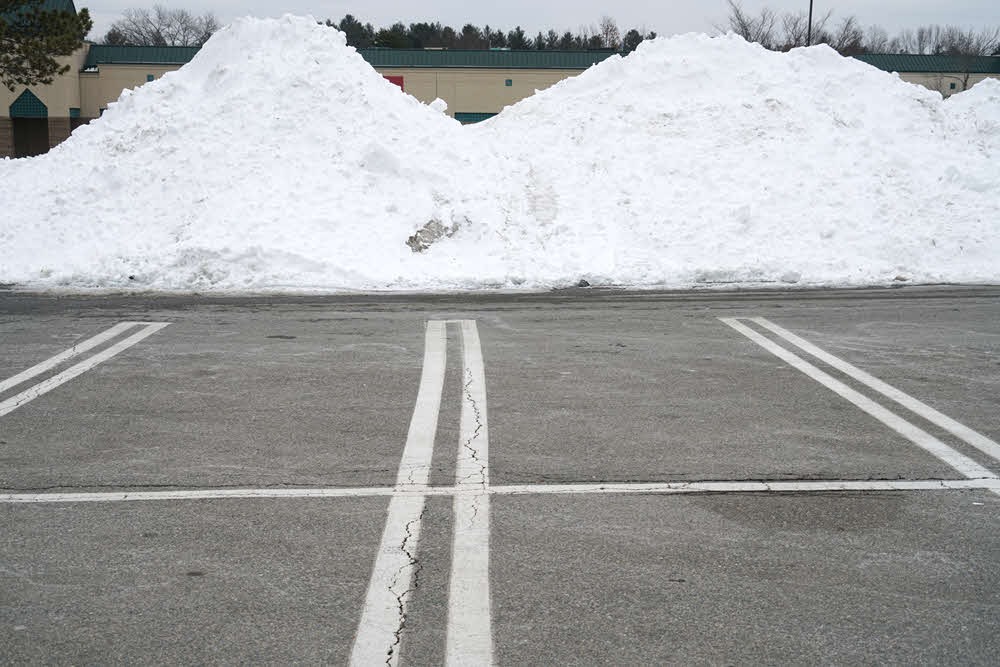
Sub-Grade First, Winter Performance Lasts
We start with the ground under the snow, not the snow itself. If the sub-grade is weak, water sits, ice forms, and plow traffic makes the damage worse. That is why we study drainage paths, curb lines, and load points before winter work begins. On sites near Hall Road and I-94, a bad stack location or a rushed pass can turn into spring settlement fast. Our safety program keeps that risk in check for municipal and commercial clients.
Good winter control protects the asset first. We plan each route so plows do not fight the site layout, and we keep salt use tied to surface conditions instead of habit. That approach gives property managers cleaner records, fewer surprises, and a local snow removal company mindset built around long-term performance.
Aggregate Gradation, Compaction, and Load Support
Aggregate gradation controls how a winter site carries load. If the stone is too fine, it locks up tight but holds water. Too open, and it shifts under truck tires and plow impact. We want a base that drains, packs, and stays stable under repeated freeze-thaw cycles. That starts with the right particle mix and enough compaction to resist rutting without sealing the section shut.
On industrial lots near 16 Mile Road and Schoenherr, we watch how the base reacts after traffic and snow storage. A clean pass means little if the sub-base pumps or settles later. Our safety program and W-9 and COI provided process support municipal and commercial clients who need a local snow removal company that plans for physics first.


Drainage Paths Before Freeze-Up
Water has to leave the site before it freezes. We map catch basins, swales, and low spots first, then set pile locations so meltwater does not run back across travel lanes or loading zones. On winter sites near Gratiot Avenue and 23 Mile Road, a bad stack can trap runoff and turn a clean lot into an ice sheet by morning. Our safety program keeps that risk controlled for municipal and commercial clients.
That is why we treat drainage as part of the plow plan, not an afterthought. Good routing protects pavement edges, keeps drains open, and reduces salt waste. For owners comparing a local snow removal company or an affordable snow removal company, this is where long-term cost gets decided.
Surface Layer Specs for Freeze-Thaw Cycles
We spec the surface layer for repeated thaw and refreeze, not just a clean first pass. That means enough flexibility to move with temperature swings, enough texture to hold traction, and enough density to resist raveling under plow tires. Thin or brittle surfaces fail fast once water gets into the top course. On properties tied to Macomb County, we match salt exposure, traffic load, and stacking patterns to the finish so the lot stays serviceable through winter.
That is the same standard we bring to snow removal company for commercial properties work. Our safety program keeps crews from scraping edges or tearing up weak spots, and our W-9 and COI provided process keeps paperwork clean for municipal and commercial clients.
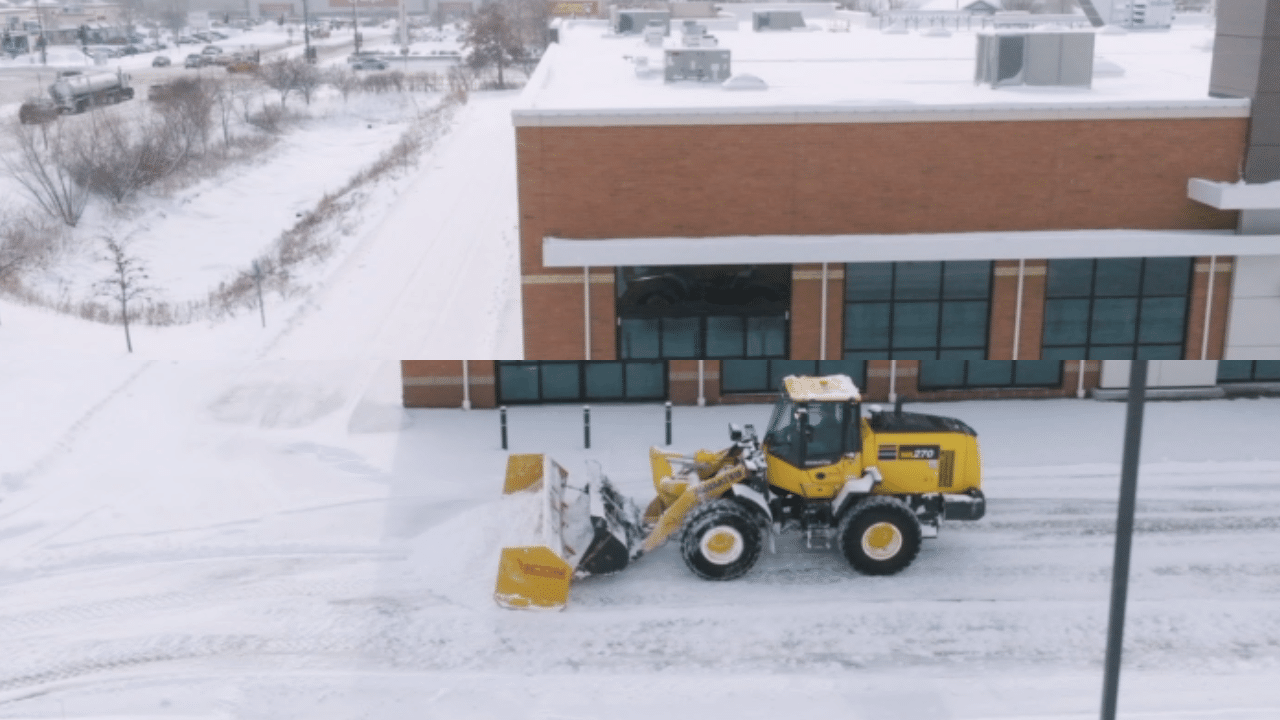
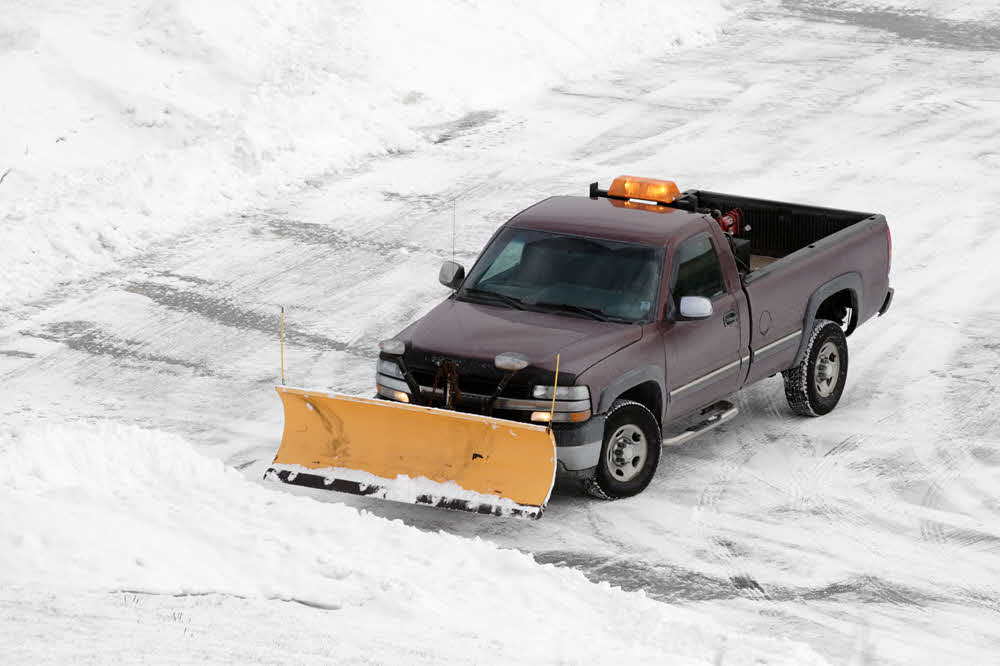
Industrial Crews, Heavy Equipment, Tight Routes
Industrial sites need more than a pickup and a blade. We size the crew, trucks, loaders, and salt spreaders to match the lot layout, dock traffic, and stacking room before the first storm. That keeps entrances open for freight, employees, and emergency access without tearing up curbs or blocking sight lines. On properties tied to Macomb County, we plan around heavy turns, tight aprons, and long push distances. Our safety program keeps operators disciplined, and W-9 and COI provided paperwork keeps managers moving.
Clay Subgrades, Frost Heave Control
Michigan clay holds water, then locks up hard when the temperature drops. That is where winter damage starts. We watch for frost heave, soft shoulders, and low spots that trap meltwater under repeated plow traffic. If the subgrade moves, the whole site pays for it later. Our safety program and W-9 and COI provided process help municipal and commercial clients keep winter access open without pretending the ground underneath does not matter.
On properties across Macomb County, we plan stack areas and travel paths around soil behavior, not just snow volume. That keeps us from building ice where runoff should leave the site.
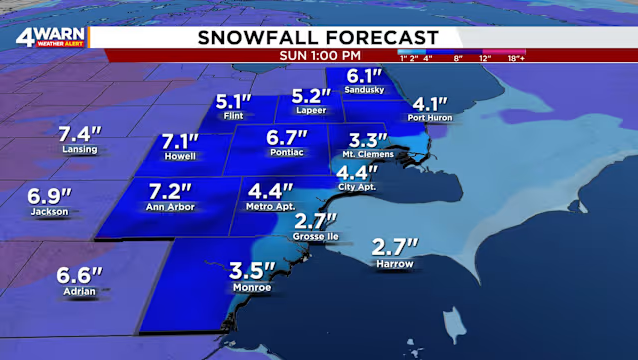
Maintenance Cost Curve, Proactive Beats Reactive
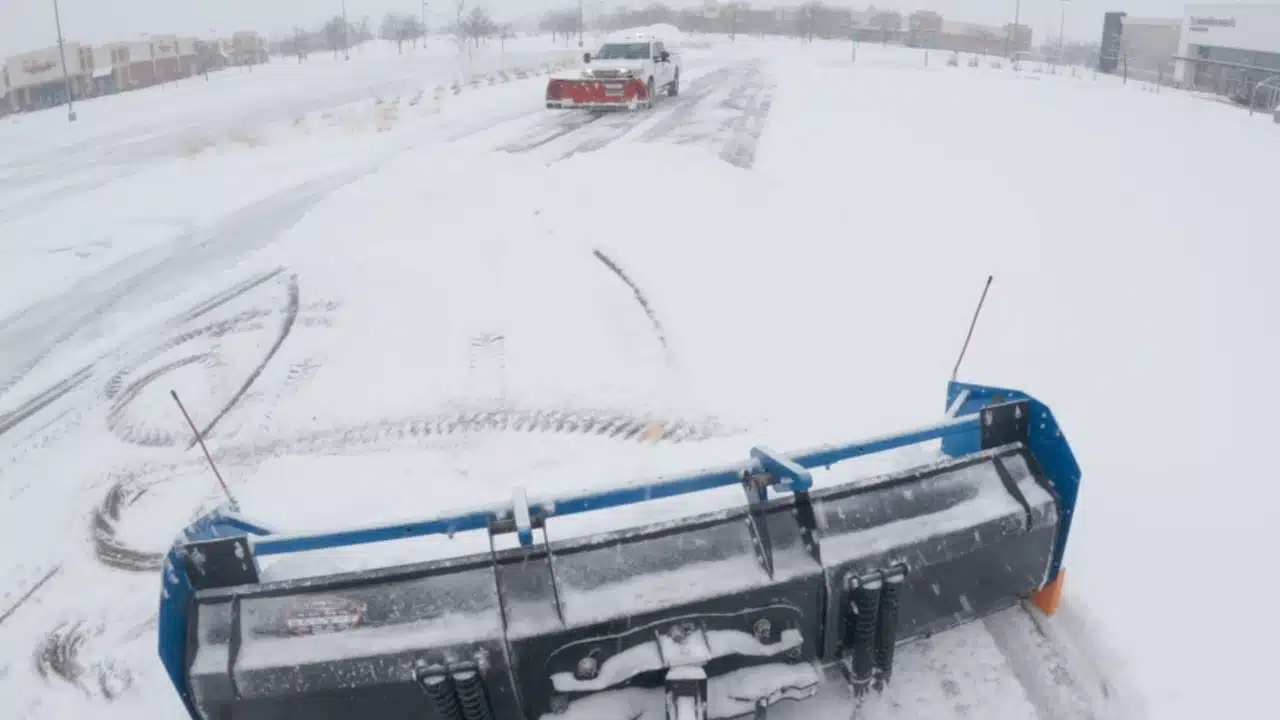
Snow removal costs climb fast when a site is managed by reaction. A light storm becomes a plow emergency, salt gets overapplied, and curb repairs show up in spring. We plan the season around trigger depths, stacking space, and meltwater paths so the work stays controlled. That keeps labor, material use, and damage in check for municipal and commercial clients across Macomb County. The cheapest pass is the one that does not create a repair bill later.
Our safety program supports that approach by keeping operators disciplined around edges, drains, and tight aprons. For owners comparing a local snow removal company or snow removal company for commercial properties support, the real savings come from fewer callbacks and less surface damage.
No Shortcuts, No Failed Bases
We do not push a lot forward if the base has failed. Snow work exposes weak spots fast, especially where thaw water sits and traffic keeps packing it down. If the site needs drainage correction, better stacking, or a different plow pattern, we say so before the first pass. That is how we protect the asset and avoid spring damage that costs more than the storm ever did. Our safety program keeps crews disciplined on every route in Macomb County.
That approach fits municipal and commercial clients who need straight answers, not a cheap fix that creates another problem.
Durability Questions, Straight Answers
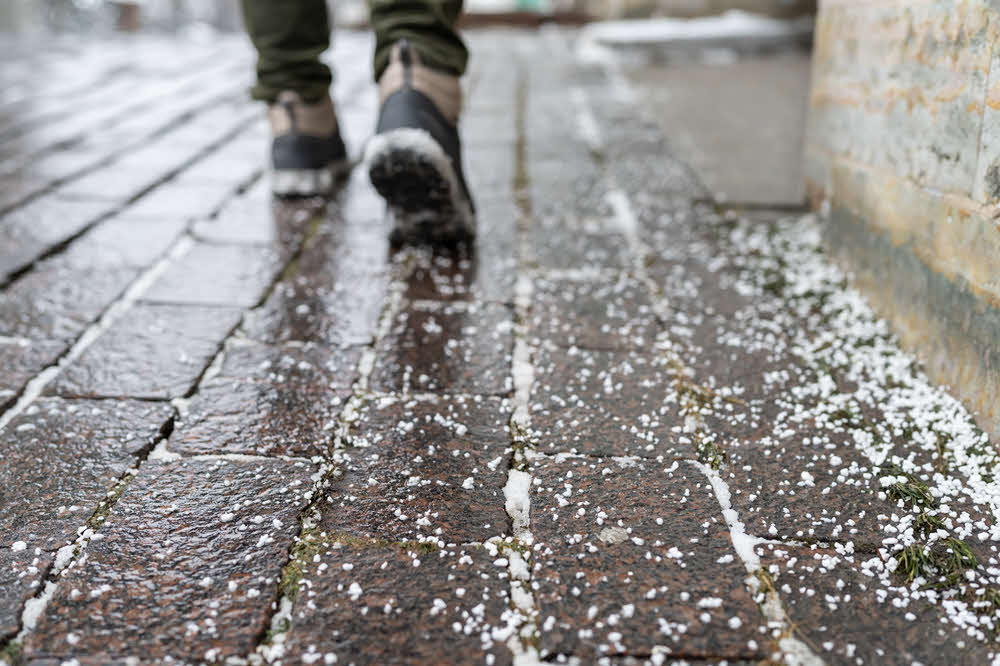
Durability starts with how the site sheds water after the first pass. If meltwater runs back into travel lanes, it refreezes and turns a routine lot into a maintenance problem. We set plow routes, stack areas, and salt application around that risk, then adjust as conditions change. On properties tied to Macomb County, that means protecting curb lines, keeping drains open, and avoiding blade work that chews up weak edges. Our safety program keeps crews disciplined for municipal and commercial clients.
Cheap service usually shows up in spring. The damage does not.
Site Health Starts With Drainage Control
Site health shows up in winter before it shows up anywhere else. If water has nowhere to go, plow traffic packs it into the base and the damage starts under the surface. We read the lot for low spots, drain inlets, and places where snow storage will send meltwater back across the drive. That is why our safety program starts with layout, not blade work. For municipal and commercial clients in Macomb County, that approach keeps winter problems from turning into spring repairs.
Accountability Built Into Every Route
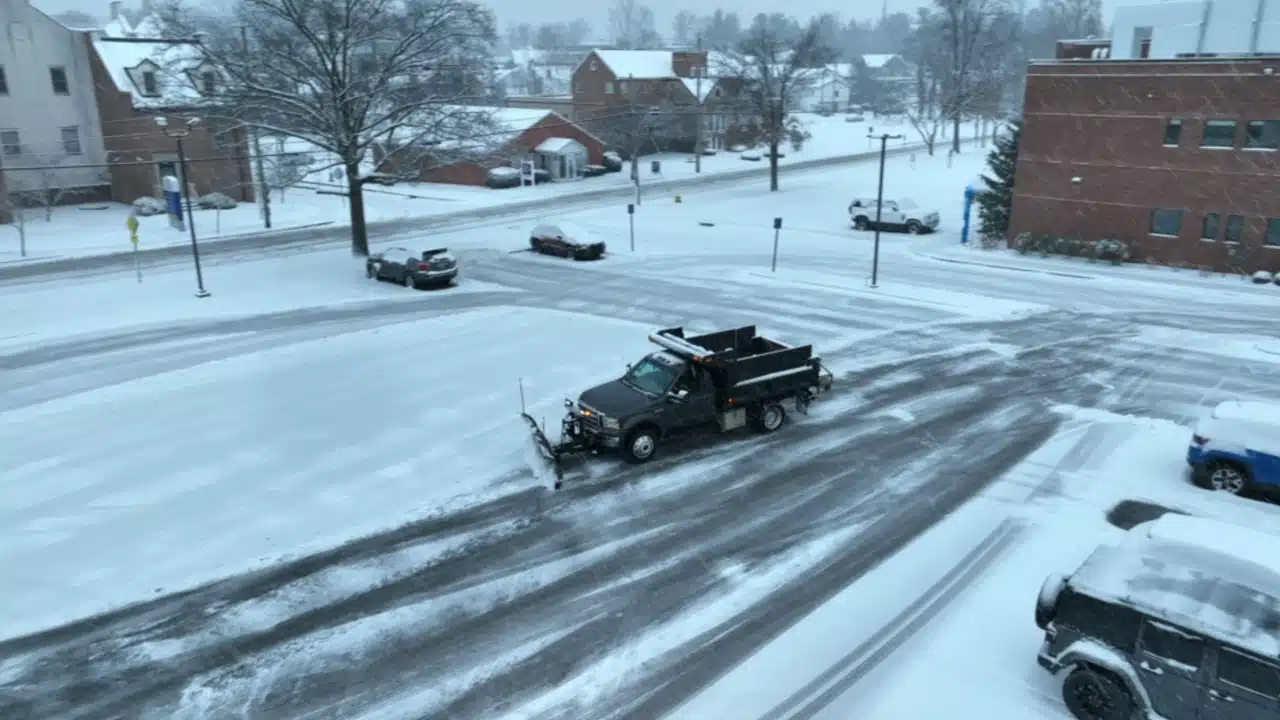
Municipal leaders trust us because we plan winter work around risk, not convenience. We set trigger points, stack snow where runoff will not return to the drive, and keep access open without chewing up curbs or joints. That long view matters on public sites in Macomb County, where one bad pass can create spring repairs. Our safety program keeps crews disciplined, and our W-9 and COI provided process keeps the paperwork moving.


Thank you again for a job well done.



Payment terms are outstanding in the last four years payments have always been on time.
The staff at D and J are great and very helpful if there is any issues.



My project involved multiple services and pulling permits and I had several quotes and most companies don’t offer multiple services or don’t pull permits and you have to do it yourself.
D & J is the only company who takes care of city permits and takes care of all the services you need from start to finish. They also update you on everything, keep you in a loop and confirms everything with you.
In our specific case we needed a curb cut, driveway leveled and parking lot sealed and coated so low sports vehicles can safely pull in without scraping the bottom and D & J did it so well you can pull in even on skateboard now.
Highly recommend D & J, top quality, smooth process.

We plan winter work the same way we plan every site, for the next project, not just the next storm. That means protecting the base, keeping water moving, and making decisions that hold up long after the lot clears in Macomb County.
If a route needs a slower pass, a different stack point, or less salt near a drain, we make that call and stand behind it. That is how we keep commercial properties usable year after year.
Plan Winter Access Before the Storm
Winter exposes weak sites fast. If the base holds water, plow traffic and freeze-thaw cycles will keep working on it until the damage shows up in spring. We look at drainage, stack locations, curb clearance, and how the lot carries load before the first storm. That is how we protect the asset instead of chasing repairs after the fact. If you manage property in Macomb County, schedule a foundation health consultation with our safety program and W-9 and COI provided ready for review.