
Macomb County Ice Removal, Site Infrastructure Engineering
We treat ice control as site infrastructure work, not a winter add-on. On commercial lots, access drives, and sidewalk systems across Macomb County, the goal is simple: keep traffic moving and reduce slip risk without creating refreeze problems. We plan around drainage, shade, wind exposure, and surface temperature, then apply the right ice melt or hand-chipping where buildup has already locked in. Physics decides the outcome. Good planning lowers liability and protects the pavement underneath.
Contact Us Today!
MDOT Prequalification, Highway-Grade Ice Control
MDOT prequalification changes how we plan winter work. It means our ice control methods are built for regulated sites, heavier traffic, and tighter documentation. We do not treat a lot off M-59 the same way we treat a low-use private drive. On commercial parking lot ice removal, business driveway ice removal, and access sidewalk ice removal, we choose the right application rate, scrape black ice where it bonds to the surface, and watch for refreeze after shade or runoff hits the pavement.

Serving Businesses In Macomb County
Accountability Means Owning Every Ice Event

Accountability means we own the condition of the site before, during, and after a storm. If black ice forms near loading lanes, we scrape it. If runoff freezes at the curb line, we treat it before traffic packs it down. I would rather slow the response and do it right than leave a property with a hidden slip point. On winter work, physics sets the terms, and our job is to stay ahead of refreeze.
Sub-Grade Integrity Drives Winter Performance
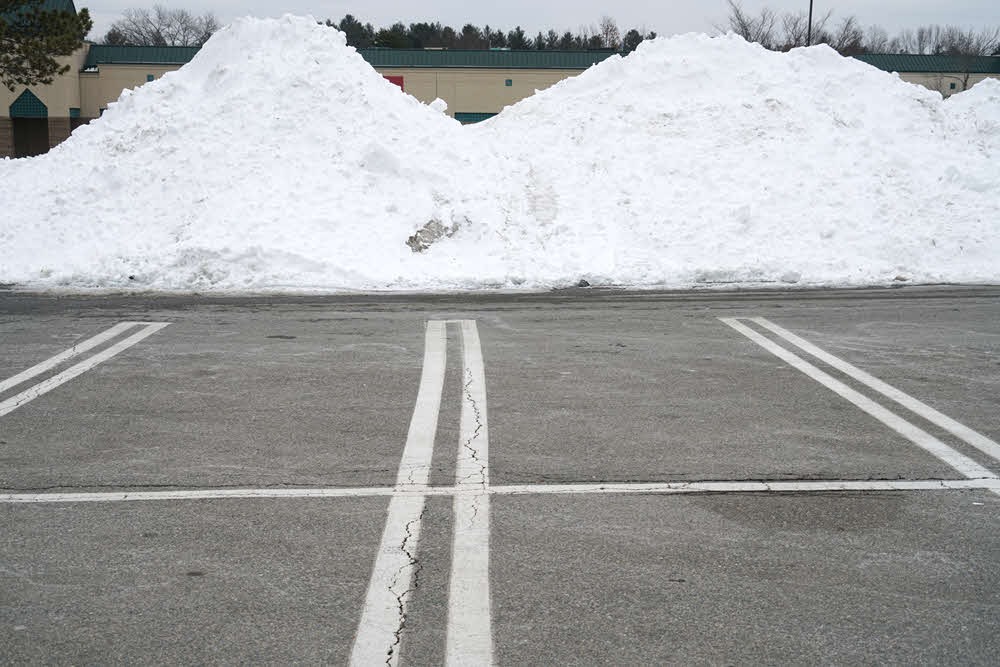
Sub-grade problems do not disappear in winter, they show up faster. If water sits under the surface, freeze-thaw cycles lift the pavement, open seams, and create hard ice at low spots and curb returns. We look at drainage first, then traffic paths, then where shade holds frost after sunrise. That is how we plan commercial parking lot ice removal and black-ice removal without chasing the same refreeze twice. A lot only performs as well as the ground under it.
Sub-Base Gradation, Compaction PSI Control
Aggregate gradation controls how water moves through the base, and that matters once temperatures drop. If fines are too heavy, the base holds moisture and turns soft under traffic. If the stone is too open, it can shift and lose support. We watch compaction PSI because a loose base lets ice form in low spots and along wheel paths. That is why we treat black-ice removal at the surface and refreeze treatment where runoff keeps feeding the problem.
Drainage Paths, Refreeze Control
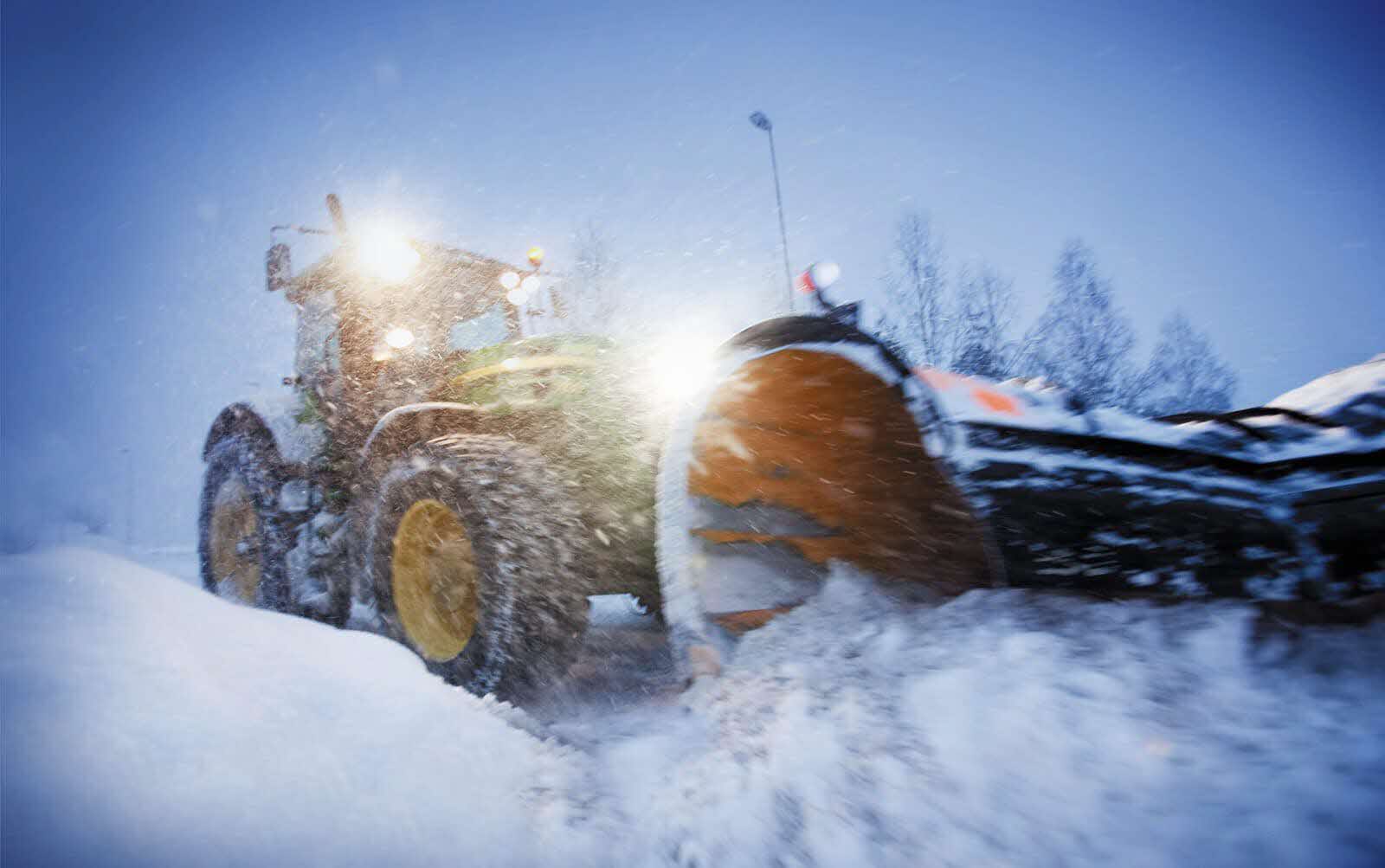
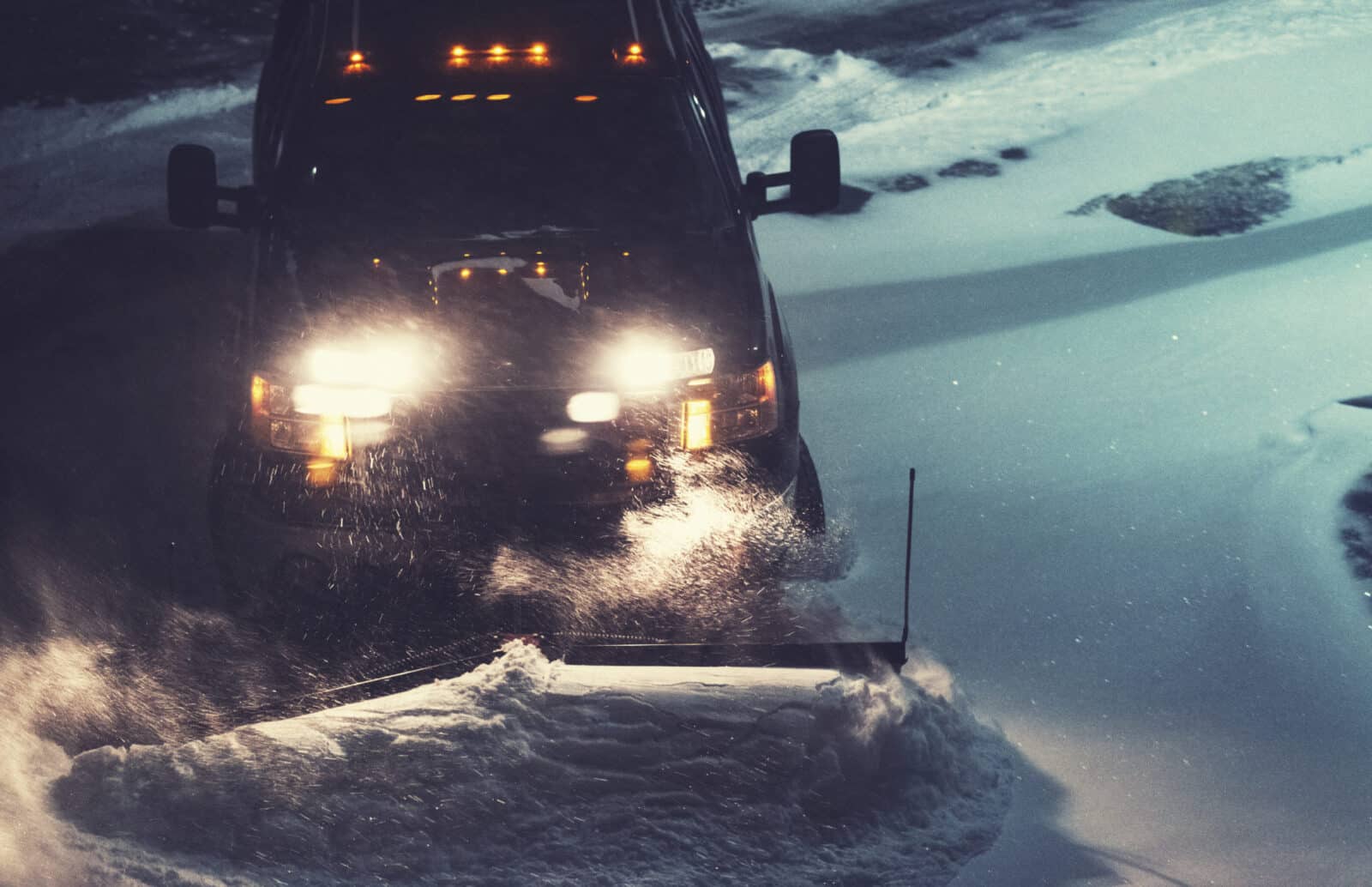
Water is the enemy under winter conditions. We watch where runoff leaves the pavement, where it hangs at catch basins, and where it sheets across entries before freezing overnight. On commercial parking lot ice removal and access sidewalk ice removal, the fix starts with flow, not salt. If meltwater has nowhere to go, refreeze comes back hard at curb lines and low spots. In Macomb County, that means reading the site before the storm and treating the problem at its source.
Surface Layer Specs for Freeze-Thaw Cycles
Surface specs matter because freeze-thaw cycles punish weak top layers first. We use ice melt application rates that match the pavement, not a guess, and we avoid overloading joints with chemicals that speed surface wear. On commercial parking lot ice removal and access sidewalk ice removal, the goal is to break bond without leaving a wet film that turns hard again at dusk. Around Macomb County, we watch shaded edges, plow ridges, and traffic lanes where refreeze starts early.
Industrial Ice Control, Heavy Crew Capacity
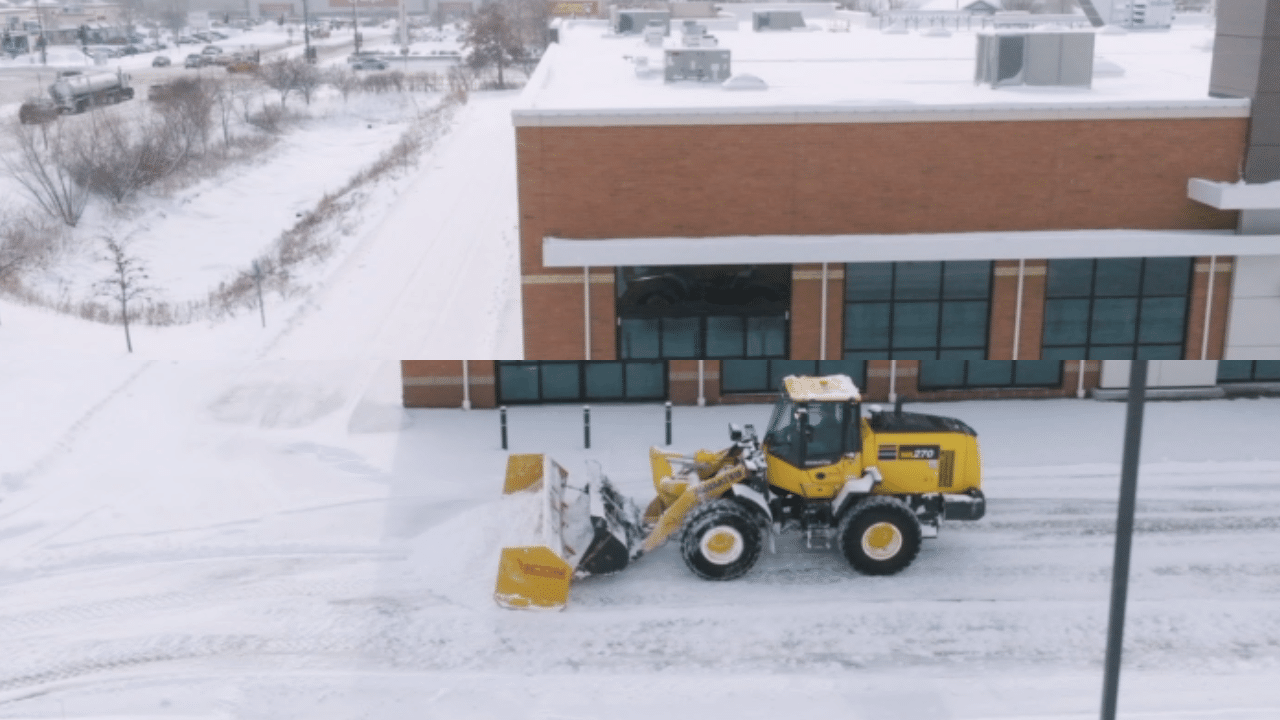
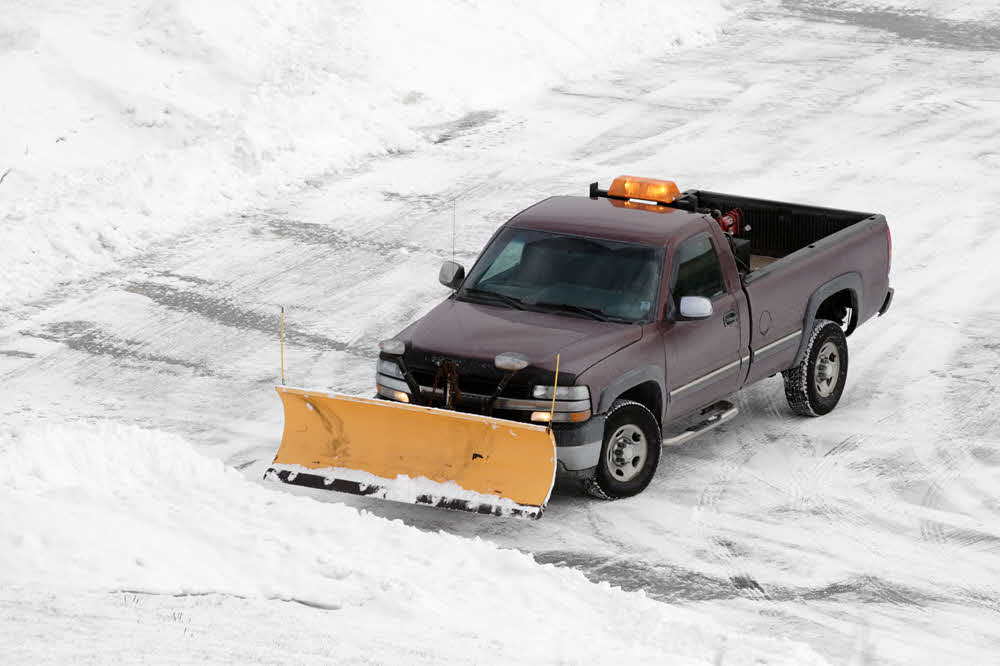
Industrial sites need more than a pickup and a spreader. We stage heavier equipment, larger crews, and tighter route control so loading docks, truck aprons, and employee access points stay workable under pressure. On Macomb County properties with constant freight movement, we plan ice melt application around traffic windows and use black-ice removal where forklifts, semis, or delivery vans pack snow into hard glaze. That keeps the surface usable without wasting material or creating refreeze at the wrong time.
Clay Soils, Frost Heave Pressure
Michigan clay holds water, and once that water freezes, the surface starts moving. We see it in low spots, at curb returns, and along edges where traffic packs snow into hard ice. In Macomb County, the fix starts with reading the ground before the storm hits. If the base is soft or the slope is wrong, ice patch scraping and refreeze treatment only buy time. We plan for drainage first, then apply ice melt where it can actually break bond.
Maintenance Cost Curve, Proactive vs Reactive Ice Control
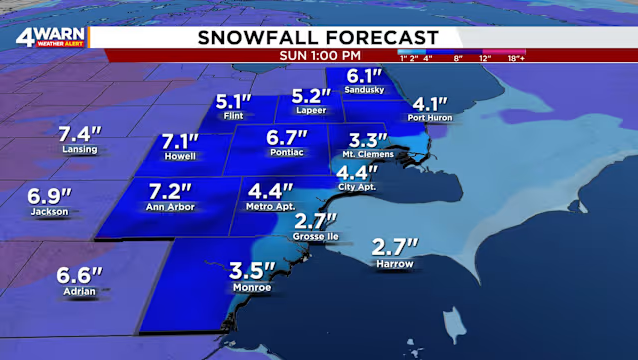
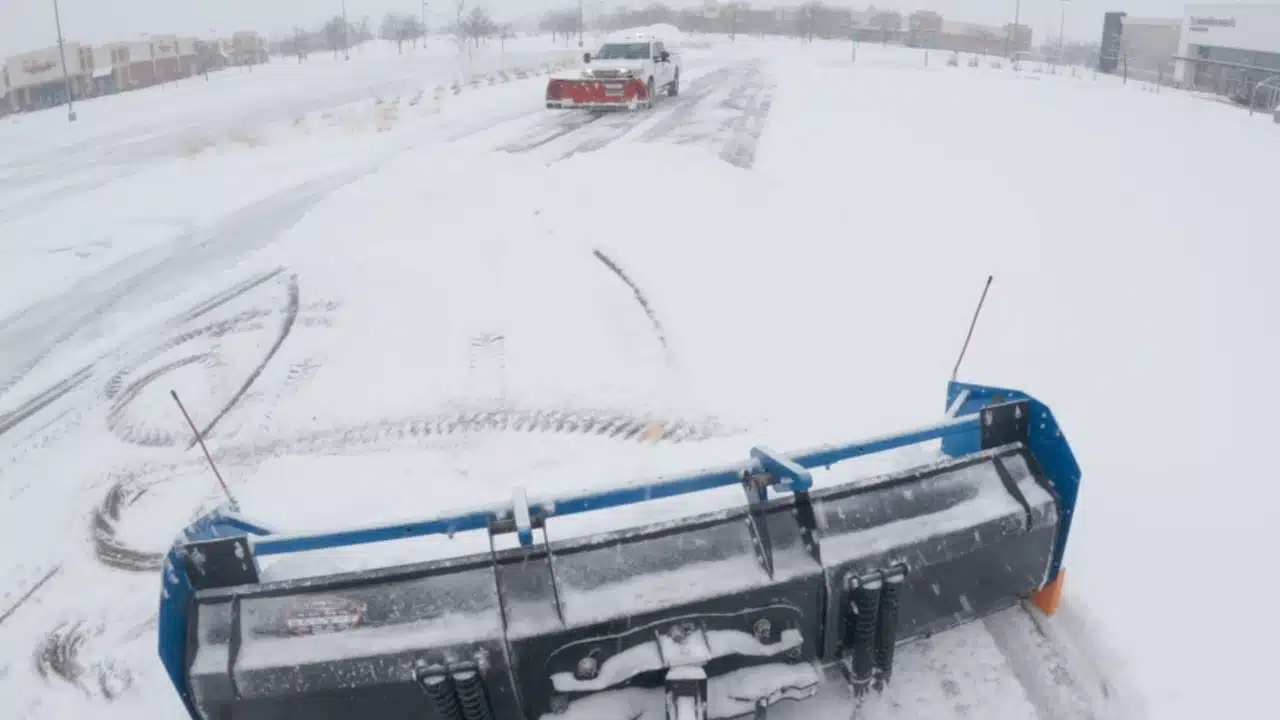
Reactive ice work costs more because the damage already started. Once traffic packs snow into glaze and meltwater refreezes at the curb, we spend time breaking bond, clearing access, and treating the same spot again. Proactive service changes that curve. We target problem areas before the storm cycle tightens up, especially on commercial parking lot ice removal and access sidewalk ice removal. In Macomb County, that means less labor lost to repeat visits and fewer hidden slip points after sunrise.
No Shortcuts, No Failed Base
We do not scrape over a bad base and call it fixed. If the surface has heaved, settled, or trapped water, ice will come back in the same low spot. Our job is to read the failure first, then choose the right response: black-ice removal, ice patch scraping, or refreeze treatment where runoff keeps feeding the problem. On sites near Hall Road and M-59, that discipline protects access and keeps us from wasting labor on repeat work.
Durability Q&A for Winter Surfaces
Durability Q&A
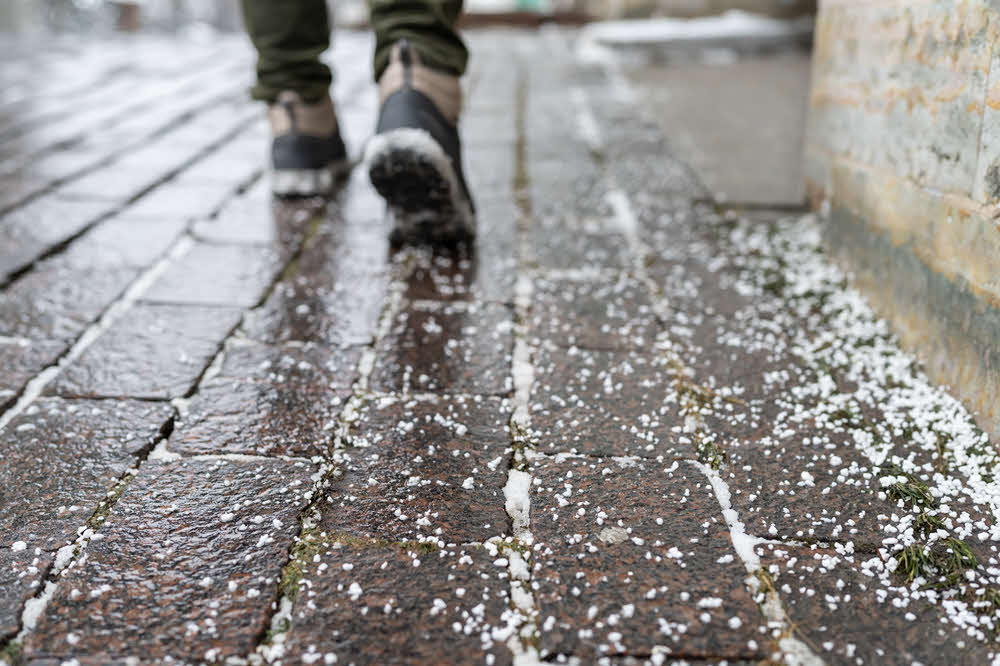
Q: What makes winter surfaces fail early? A: Water, traffic, and repeated freeze cycles. If meltwater sits in a low spot, it turns to hard ice, gets packed down, and starts prying at joints and edges. We focus on the cause first, then use black-ice removal, ice patch scraping, or refreeze treatment where the site keeps feeding itself.
Q: What holds up best over time? A: Surfaces that drain cleanly and get treated before buildup turns into a bond.
On commercial parking lot ice removal and access sidewalk ice removal, we watch the same failure points every season. The fix is discipline, not guesswork.
Site Health After Freeze Cycles
After a freeze cycle, we read the site before we touch it. Hard ice at the wheel path usually points to drainage that failed, a low spot that holds meltwater, or traffic that packed snow into a dense layer overnight. We correct the surface condition first, then decide between black-ice removal, ice patch scraping, or refreeze treatment where runoff keeps coming back. Near 16 Mile Road and Schoenherr, that approach keeps access open and stops the same problem from rebuilding by morning.
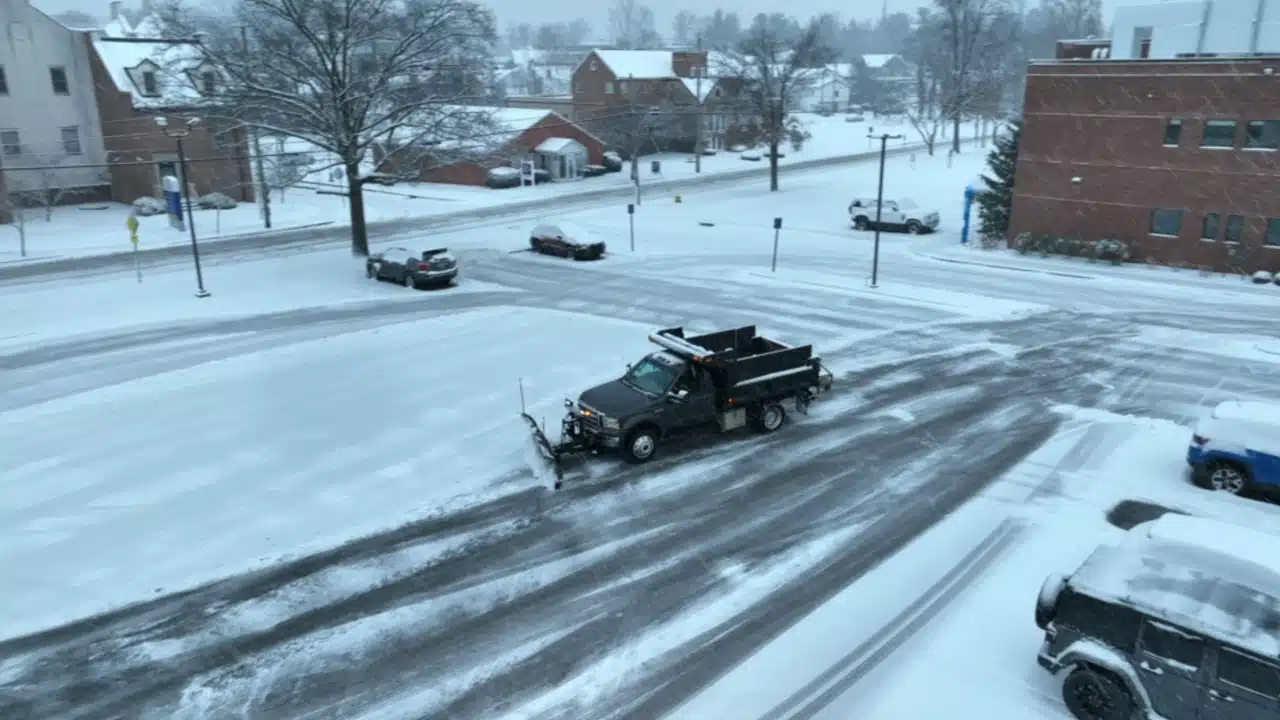
Accountability for Every Freeze Event
Municipal leaders trust us because we think past the storm. We read drainage, traffic patterns, and repeat freeze points before crews touch the site, then we choose black-ice removal, ice patch scraping, or refreeze treatment based on what the surface is doing, not what looks fastest. That long view matters on public properties in Macomb County. It cuts repeat calls, protects access, and keeps winter work tied to asset life instead of short-term cleanup.


Thank you again for a job well done.



Payment terms are outstanding in the last four years payments have always been on time.
The staff at D and J are great and very helpful if there is any issues.



My project involved multiple services and pulling permits and I had several quotes and most companies don’t offer multiple services or don’t pull permits and you have to do it yourself.
D & J is the only company who takes care of city permits and takes care of all the services you need from start to finish. They also update you on everything, keep you in a loop and confirms everything with you.
In our specific case we needed a curb cut, driveway leveled and parking lot sealed and coated so low sports vehicles can safely pull in without scraping the bottom and D & J did it so well you can pull in even on skateboard now.
Highly recommend D & J, top quality, smooth process.

We treat winter access like an asset, not a cleanup call. If the surface keeps freezing in the same place, we change the plan, because we build for the next project and we would rather lose a job than leave a hidden slip point.
That is how we work on commercial sites across Macomb County: read the drainage, break the bond with black-ice removal or ice patch scraping, and stay ahead of refreeze before traffic packs it down again.
Need Professional Ice Removal for Your Commercial Property?
D&J Contracting is Southeast Michigan’s trusted commercial contractor. We respond to estimate requests within one business day and provide written quotes at no cost.
Call (586) 954-0008 or request an estimate online.