
Site Infrastructure Engineering for Macomb County Deicing
We treat deicing agent applications as site infrastructure work, not a winter add-on. The goal is controlled traction, predictable melt rates, and less damage to pavement joints, concrete edges, and drainage paths. On properties across Macomb County, we match product choice to surface temperature, traffic load, and runoff risk. That means liquid brine application for pre-treatment, corrosion-inhibited deicers where metal protection matters, and measured rock salt application only where the site can handle it.
We plan for the next storm the same way we plan any capital asset: by protecting the base first and avoiding waste that shortens service life.
Contact Us Today!
MDOT Prequalification, Highway-Grade Deicing Standards
MDOT prequalification changes how we approach winter work. It means our deicing plans have to hold up under highway-grade expectations, not guesswork or commodity pricing. We select liquid brine application, corrosion-inhibited deicers, and rock salt application based on pavement temperature, traffic volume, and runoff control. On properties near M-59 and Hall Road corridors in Macomb County, that discipline matters. The wrong product or spread rate wastes material, leaves ice behind, and puts the pavement at risk.
We build each application around performance first: traction, melt rate, and controlled coverage.

Serving Businesses In Macomb County
Accountability Starts With Me On Site
I hold our crew to one standard, if the application does not protect the surface and the people using it, we do not put it down. Deicing work has to match the pavement temperature, the traffic pattern, and the way water moves off the lot. If we overapply, we waste material and leave residue behind. If we underapply, ice stays put. I would rather slow the job down and do it right than cover a problem with salt and hope for the best.
That is how we protect an asset in Macomb County, by treating every winter pass like it affects next season too.
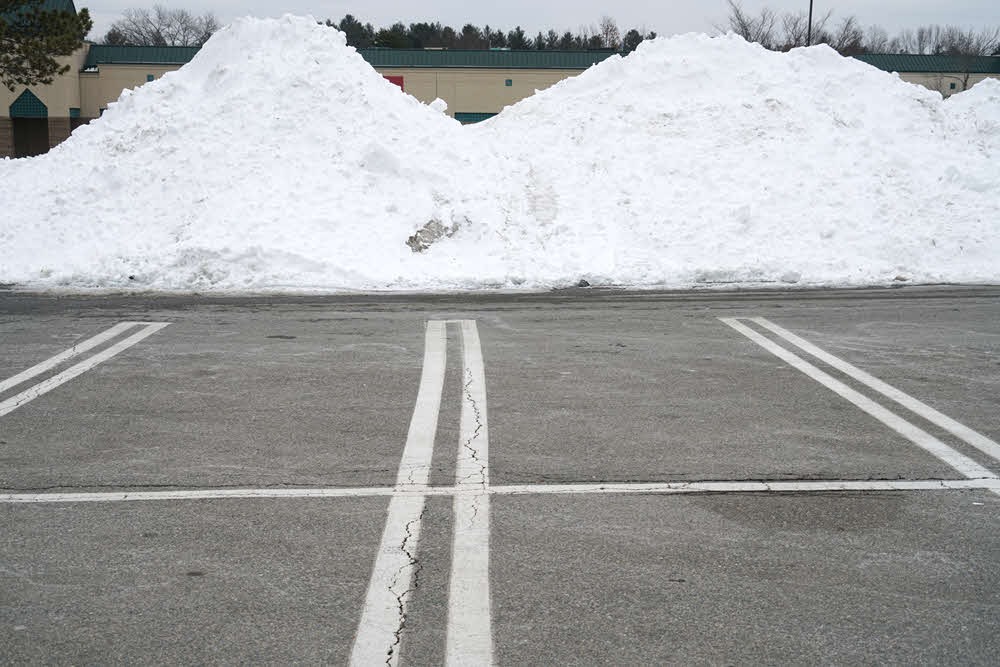
Sub-Grade Integrity Drives Winter Performance
Sub-grade decides how winter chemicals behave on a lot. If the base holds water, deicing agents sit on top, refreeze in low spots, and keep working against the pavement instead of for it. We look at drainage paths, settlement, and edge support before we set an application plan. Near 8 Mile Road and the I-94 corridor, that means reading runoff and traffic together. Good liquid brine application starts with a surface that can shed water.
We do not try to cover weak structure with more product. We correct the approach, then apply anti-ice treatments or rock salt application only where the site can use them without creating extra damage.
Gradation, Density, and PSI Control
Aggregate gradation controls how a deicer sits, moves, and breaks through packed snow. If the surface is tight and uniform, we can hold material where traffic needs it. If the lot is open or raveled, product migrates fast and coverage drops. We watch compaction PSI because weak edges and soft base areas change melt performance under load. Near Gratiot Avenue and 16 Mile Road, that difference shows up fast after plow passes.
We match spread rate to structure, then use liquid brine application or rock salt application only where the pavement can support it without wasting material.


Drainage Paths Control Winter Performance
Water is the real problem. If it sits on the pavement, deicing agents turn into runoff, refreeze in shaded areas, and keep feeding the ice cycle. We read catch basins, curb lines, and low points before we set an application rate. On sites near M-53 and Hall Road, that means watching where meltwater moves after plow traffic pushes it across the lot. Good liquid brine application works with drainage. Poor drainage wastes product and leaves slick spots behind.
We build around flow first, then use anti-ice treatments or corrosion-inhibited deicers where the surface can shed moisture fast enough to stay effective.
Surface Layer Specs for Freeze-Thaw Cycles
Freeze-thaw cycles punish thin, soft, or poorly bonded surface layers first. We specify pavement that can take repeated expansion, plow abrasion, and chemical exposure without opening up at the joints. That means the surface has to shed moisture fast and hold its texture after traffic packs snow into it. On sites along Woodward Avenue, we watch how meltwater refreezes at shaded edges and adjust liquid brine application or corrosion-inhibited deicers before the next pass. Cheap coverage fails fast.
We build for the cycle, not the storm.
Industrial Crews, Heavy Equipment, Tight Control
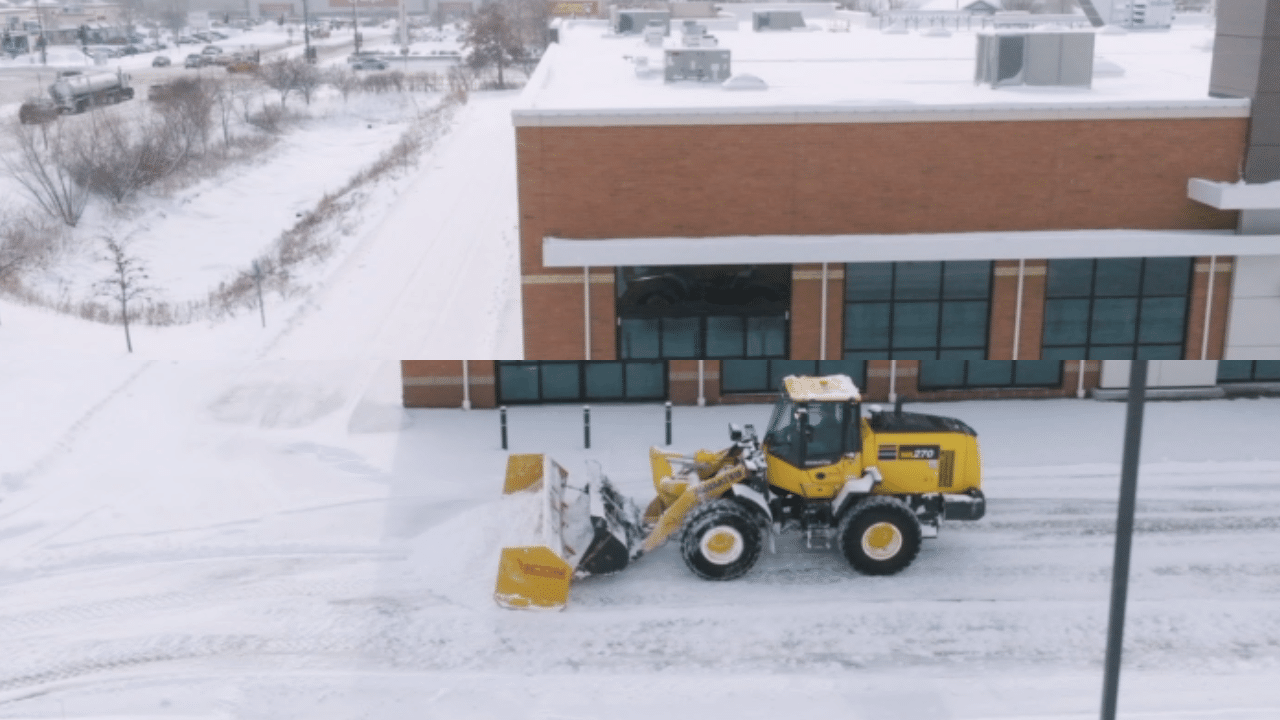
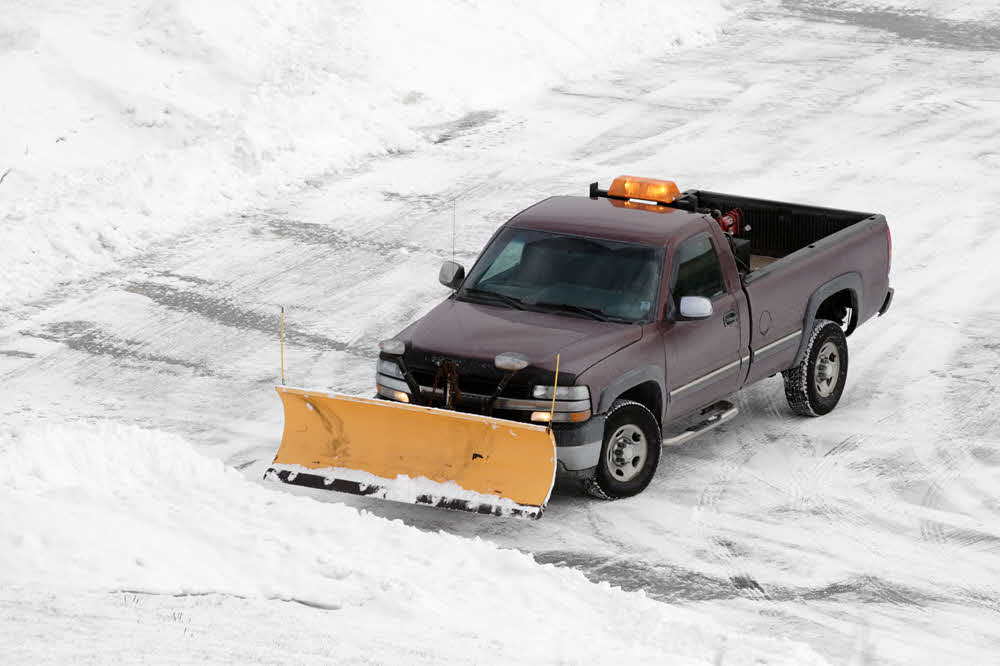
Industrial sites need more than a pickup and a spreader. We stage bulk material, calibrate application rates, and run equipment that can cover large lots without dumping product where it does no good. That matters around freight yards, loading lanes, and high-turnover access points in Macomb County. Our crew watches traffic flow, shaded pavement, and wind drift before each pass. For heavier sites, we use liquid brine application, corrosion-inhibited deicers, and rock salt application with tight control so the surface stays usable and the base stays protected.
Clay Subgrades, Frost Heave Control
Clay holds water, and water drives the freeze cycle. That is the ground truth on a lot of Michigan pavement. If the base stays wet, frost lifts it, traffic breaks it down, and deicing agents lose efficiency because meltwater has nowhere to go. We read soil behavior before we set an application plan. Around the Rouge River corridor and the I-275 belt, that means watching low spots, shaded edges, and refreeze points before we choose liquid brine application or rock salt application.
We do not fight bad drainage with heavier spread rates. We correct for the site first, then use anti-ice treatments or corrosion-inhibited deicers where they make sense.
Maintenance Cost Curve, Not Repair Shock
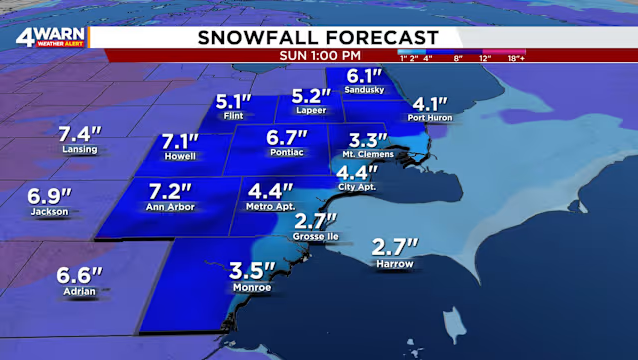
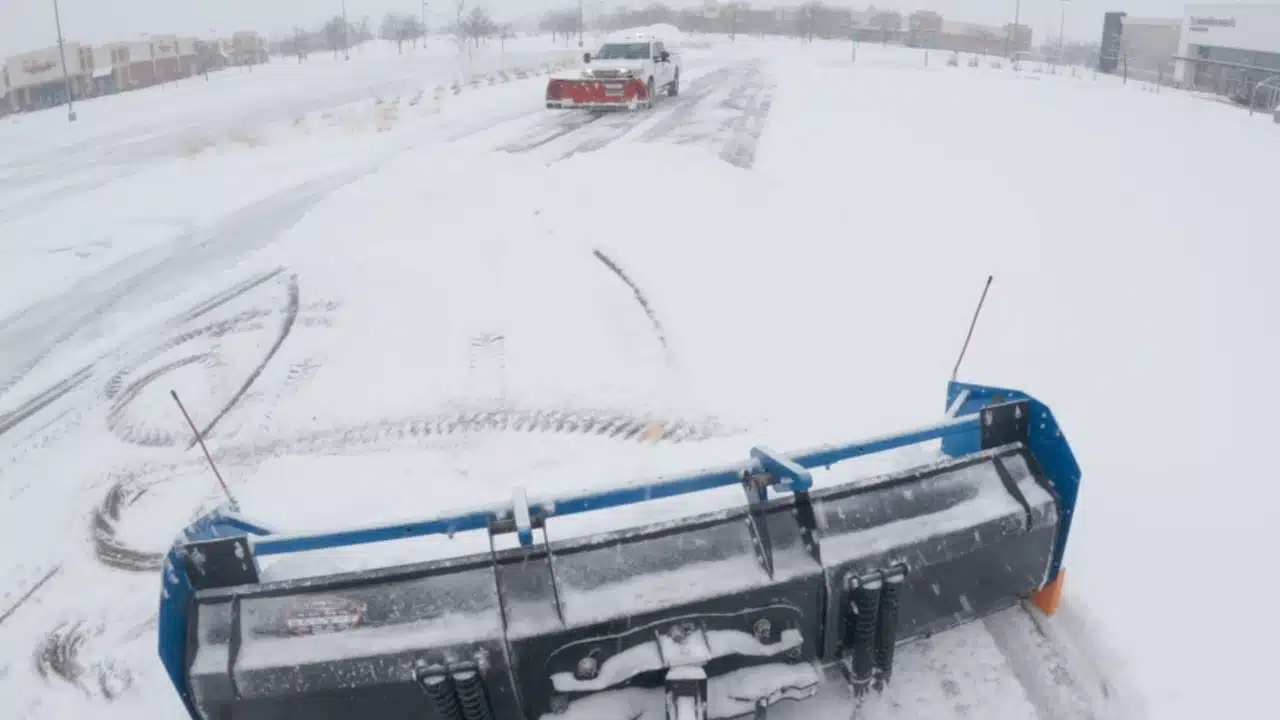
Winter chemical spend gets expensive fast when crews wait for visible ice. By then, the lot has already taken water, traffic, and freeze-thaw damage. We plan applications earlier, so the surface stays workable and the base stays drier. That lowers repeat passes, reduces waste, and keeps small problems from turning into spring repairs. On sites near Telegraph Road and 14 Mile Road, that discipline matters because shaded pavement and heavy turning traffic punish reactive work.
Proactive anti-ice treatments, liquid brine application, and corrosion-inhibited deicers cost less over a season than chasing refreeze after every storm.
We Don’t Pave Over Failed Bases
We do not put deicer on a failed surface and call it a fix. If the base is pumping, holding water, or breaking at the edge, more product only hides the problem for a day. We look at drainage, traffic paths, and surface condition first, then decide if anti-ice treatments or liquid brine application make sense. On sites along M-59 and near the Clinton River corridor, that discipline keeps us from wasting material on pavement that needs correction before winter work can hold.
That is how we protect the lot and the budget.
Durability Questions, Straight Answers
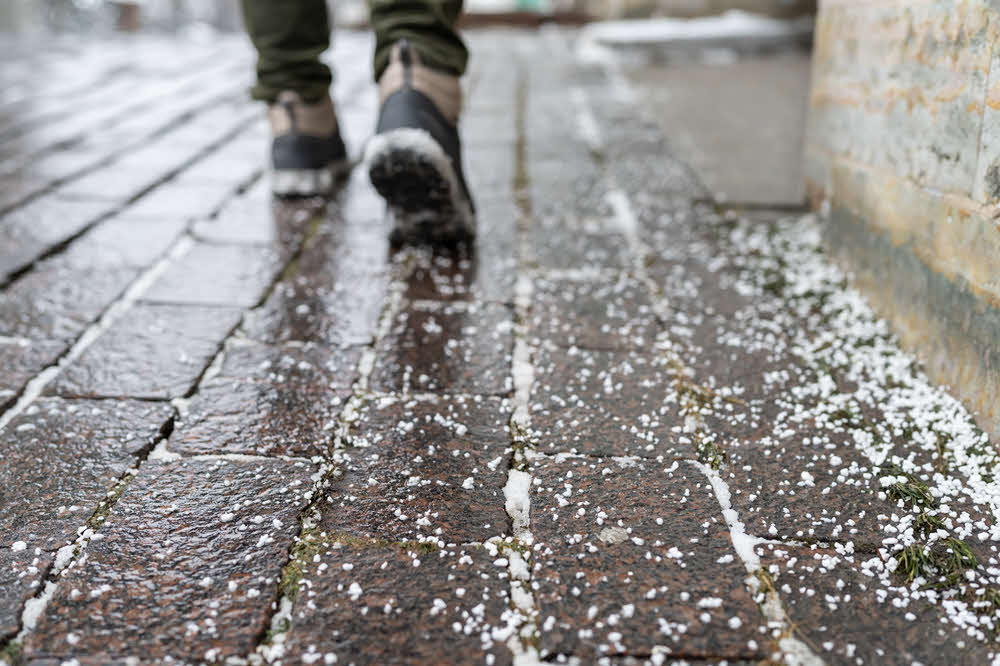
Durability depends on timing and coverage. We apply before traffic packs snow into the surface, because packed snow turns into a hard bond that takes more product to break. We also watch shaded lanes, curb returns, and drain outlets, since those spots refreeze first. On commercial sites near the Detroit Riverfront district, we use liquid brine application for pre-treatment and corrosion-inhibited deicers where metal exposure matters. That keeps the pavement working longer and cuts down on repeat passes.
Bad timing costs more than bad weather.
Site Health Starts With Correct Deicing
Site health starts with what the pavement can shed, not how much product we throw at it. If water sits in the joints, the next freeze turns a small problem into a bigger one. We read slope, shade, and traffic paths before we set an application rate, then use liquid brine application or rock salt application only where the surface can carry it. Near Woodward Avenue and the Lodge Freeway corridor, that discipline keeps winter work tied to structure, not guesswork.
We protect the lot by treating the cause first and the ice second.
Accountability in Every Winter Pass
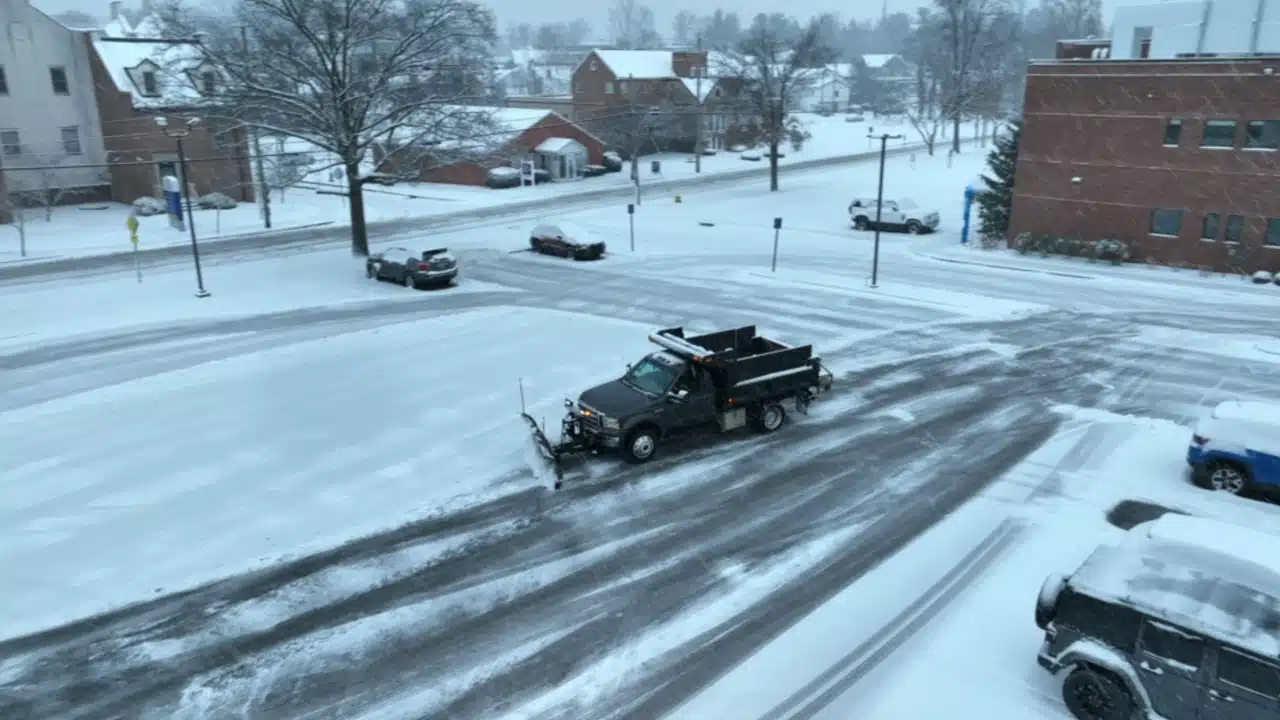
Municipal leaders trust us because we treat winter chemistry like a public asset decision, not a quick fix. We read pavement temperature, drainage, and traffic load before we apply anything, then choose liquid brine application or corrosion-inhibited deicers only where they make sense. That long view matters on hard-use sites in Macomb County. It keeps refreeze down, protects joints and edges, and avoids the kind of overapplication that creates spring problems.


Thank you again for a job well done.



Payment terms are outstanding in the last four years payments have always been on time.
The staff at D and J are great and very helpful if there is any issues.



My project involved multiple services and pulling permits and I had several quotes and most companies don’t offer multiple services or don’t pull permits and you have to do it yourself.
D & J is the only company who takes care of city permits and takes care of all the services you need from start to finish. They also update you on everything, keep you in a loop and confirms everything with you.
In our specific case we needed a curb cut, driveway leveled and parking lot sealed and coated so low sports vehicles can safely pull in without scraping the bottom and D & J did it so well you can pull in even on skateboard now.
Highly recommend D & J, top quality, smooth process.

We treat deicing as part of the asset plan, not a seasonal add-on. If the surface, drainage, and traffic pattern do not support the application, we adjust the method and protect the next project instead of forcing product onto a bad condition.
That is how we work in Macomb County, straight on the facts and with the long view in mind.
Plan Deicing Before Ice Wins
Ice control starts with the surface, not the spreader. If the pavement holds water, deicing agents will chase the problem instead of fixing it. We look at slope, drainage, shade, and traffic before we recommend a treatment plan. That is how we protect the asset and keep winter from turning into spring repairs. If you manage property in Macomb County, schedule a foundation health consultation and let us tell you what the lot can actually support before the next storm hits.