
Macomb County Snow Salting Site Infrastructure Engineering
We treat snow salting as site infrastructure engineering, not a winter add-on. The goal is simple: keep pavement open, slow refreeze, and protect the surface from repeated freeze-thaw stress. On commercial lots in Macomb County, that means matching salt placement to traffic lanes, loading zones, and sidewalk pinch points instead of broadcasting material and hoping for the best. We plan for black-ice prevention, then verify conditions with refreeze checks after the first pass.
That approach matters because poor application creates more problems than it solves. Too much material wastes budget and tracks into the lot. Too little leaves slick edges near entrances and access sidewalks. We size each response around the property layout, drainage paths, and how fast temperatures are dropping.
Contact Us Today!
MDOT Prequalification, Highway-Grade Salt Control
MDOT prequalification changes how we plan winter response. It tells us the work has to hold up under heavier traffic, tighter specs, and more scrutiny than a commodity salt pass. We use that standard to set application rates, timing, and material choice for commercial parking lot salting and access sidewalk salting. On properties near Hall Road and the I-94 corridor, we watch refreeze risk closely and adjust before black ice forms.
That is the difference between spreading product and managing pavement risk. Highway-grade control means we think about bond strength, runoff, and repeat traffic after the first truck leaves.

Serving Businesses In Macomb County
Accountability Means Owning Every Pass

Accountability means we own the outcome after the truck leaves. If a lot refreezes near an entrance, we do not blame the weather and move on. We check the surface, adjust the rate, and correct the problem before it turns into a slip hazard. That is how we handle commercial parking lot salting, access sidewalk salting, and black-ice prevention. I would rather explain a hard decision than send salt where it does not belong.
Sub-Grade Integrity Drives Winter Performance
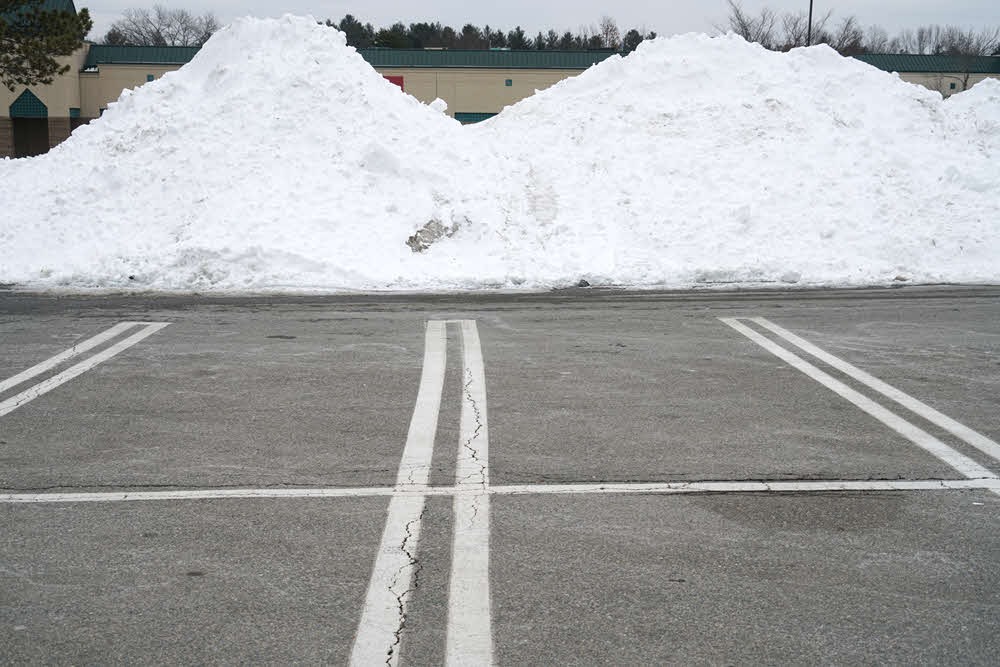
Sub-grade decides how winter service performs after the first thaw. If water sits under the pavement, salt only buys time. It does not fix movement, pumping, or weak edges at curb lines and loading areas. We look at drainage, traffic paths, and where refreeze starts after plowing. That is how we protect commercial parking lot salting and access sidewalk salting on properties that cannot afford repeat ice problems.
Good winter control starts before the storm. Bad base conditions show up fast near service drives, dumpster pads, and entrance walks.
Aggregate Gradation, PSI, and Load Support
Salt only works as designed when the aggregate is sized and compacted to carry traffic without pumping under the wheel path. We watch gradation because fines, stone size, and voids change how fast water moves through the surface and how long the treated area stays stable. On properties near Woodward Avenue and the Lodge Freeway, that matters after plows cut a lane and trucks keep loading. Good compaction supports commercial parking lot salting, business driveway salting, and refreeze checks without wasting material.
Drainage Control, Refreeze Prevention
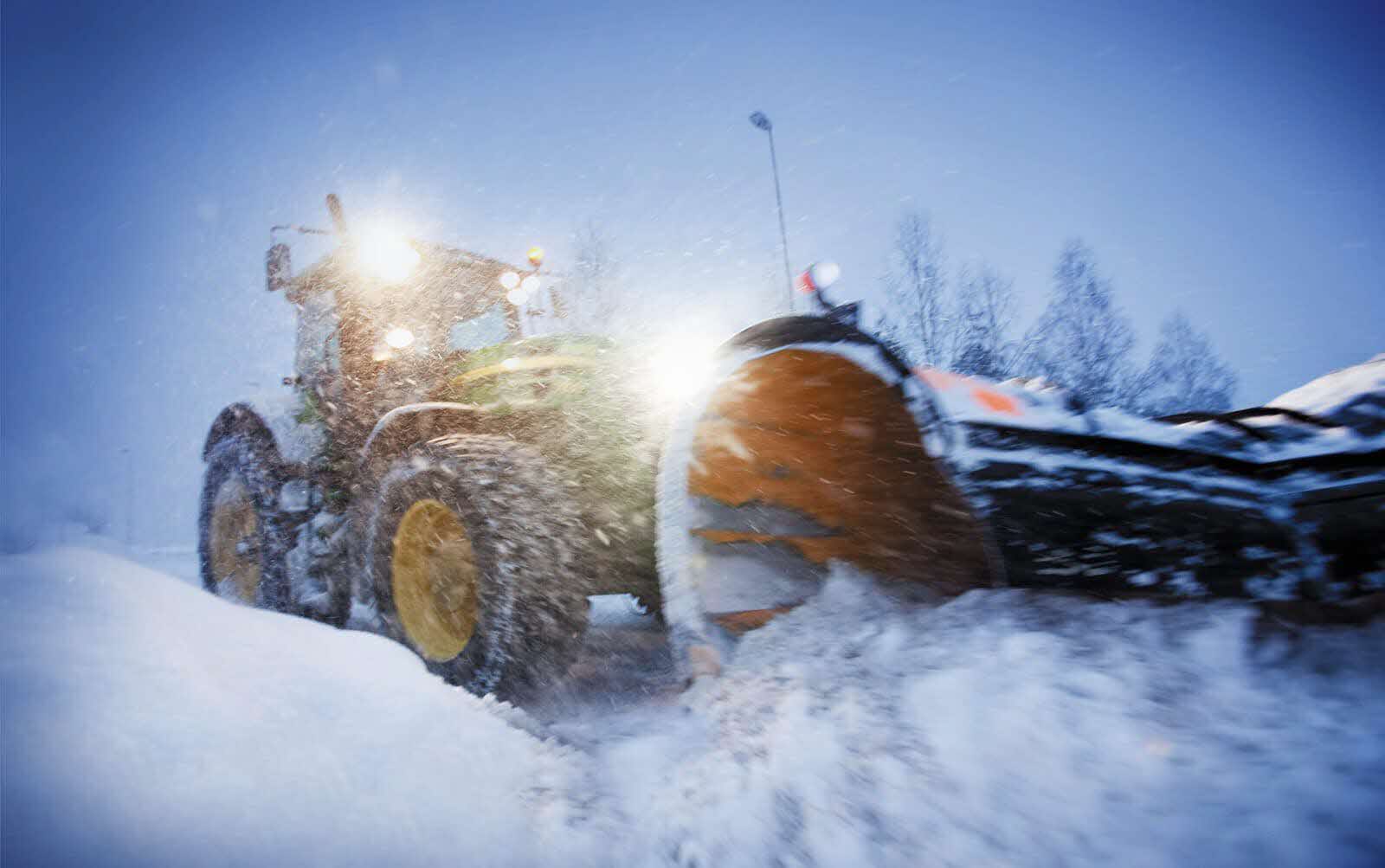
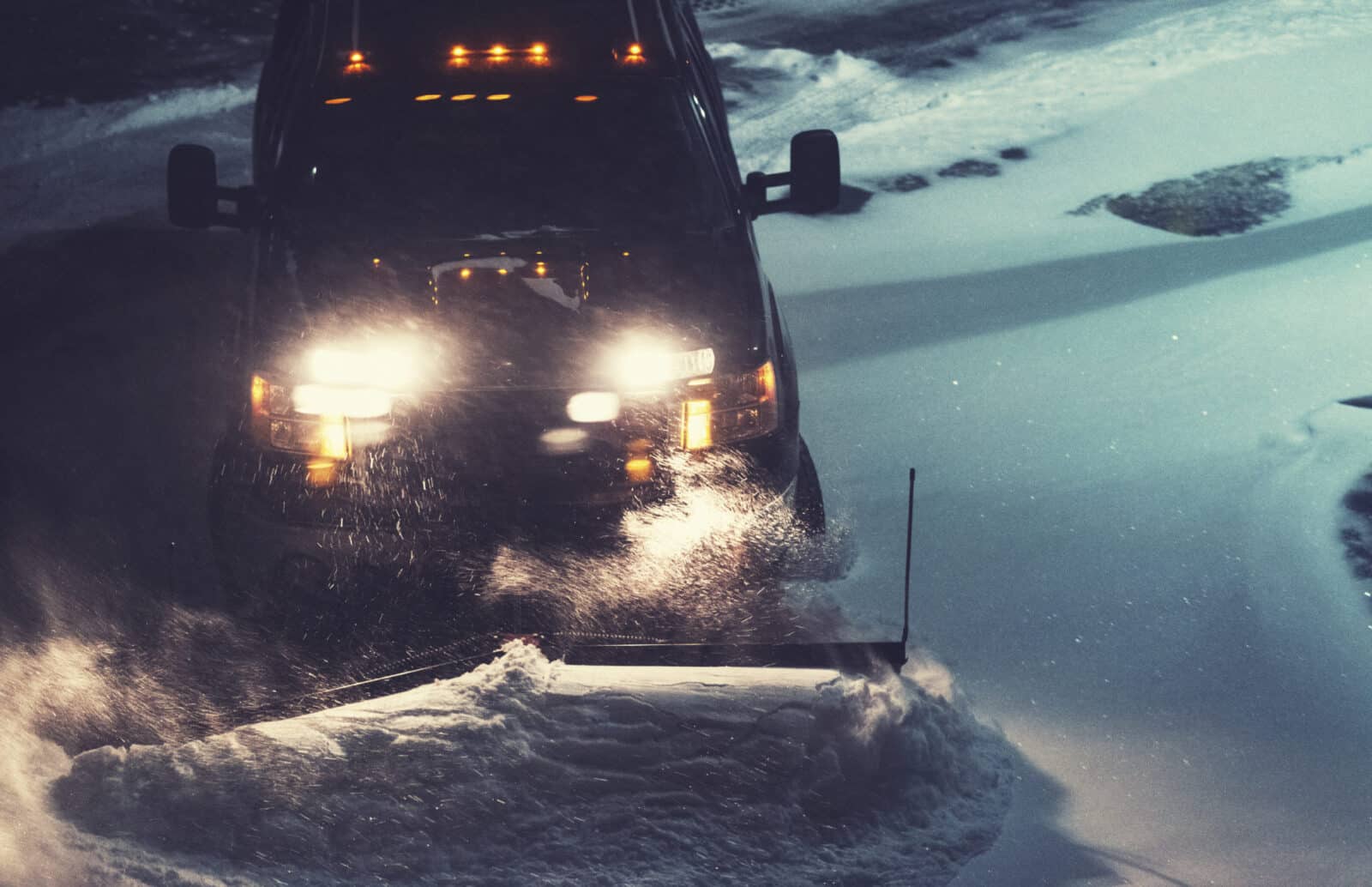
Water is the real problem. Salt only works if meltwater can move off the lot instead of freezing in low spots, along curb returns, and at catch basins. We watch how runoff leaves the pavement, where snow storage blocks flow, and where roof drip or shade keeps surfaces wet longer than the rest of the site. On properties near Gratiot Avenue, that means planning commercial parking lot salting and access sidewalk salting around drainage paths, not against them.
Good winter control starts with keeping water moving before it turns to ice.
Surface Layer Specs for Freeze-Thaw Cycles
Surface performance starts with the right salt contact, not the heaviest spread. We size applications for freeze-thaw cycles so the material can break bond without leaving excess residue that gets tracked across the lot. On properties with heavy turning movement, we watch how meltwater drains off polished asphalt and reapply only where refreeze checks show a problem. That keeps commercial parking lot salting and access sidewalk salting working as control measures, not cleanup after the fact.
Near Woodward Avenue, shaded edges and windblown corners usually fail first. We treat those spots differently from open lanes because physics changes by exposure, traffic, and surface temperature.
Industrial Crews, Heavy Equipment, Tight Control
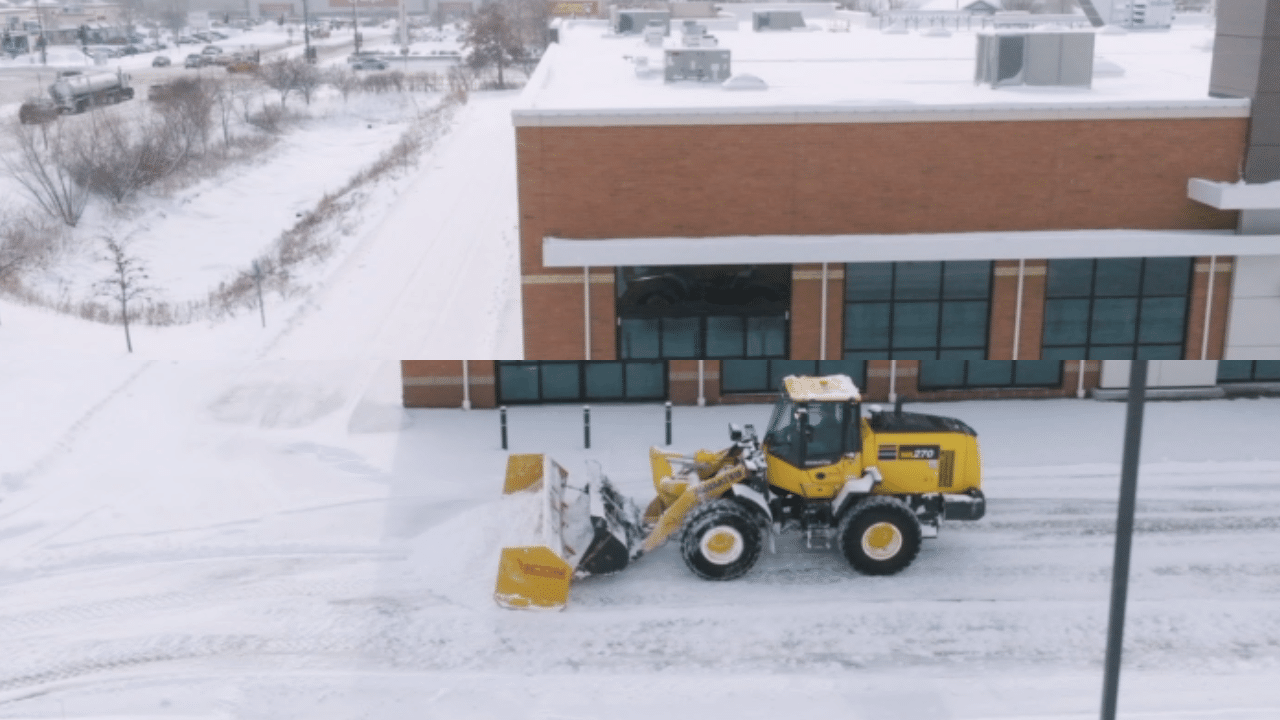
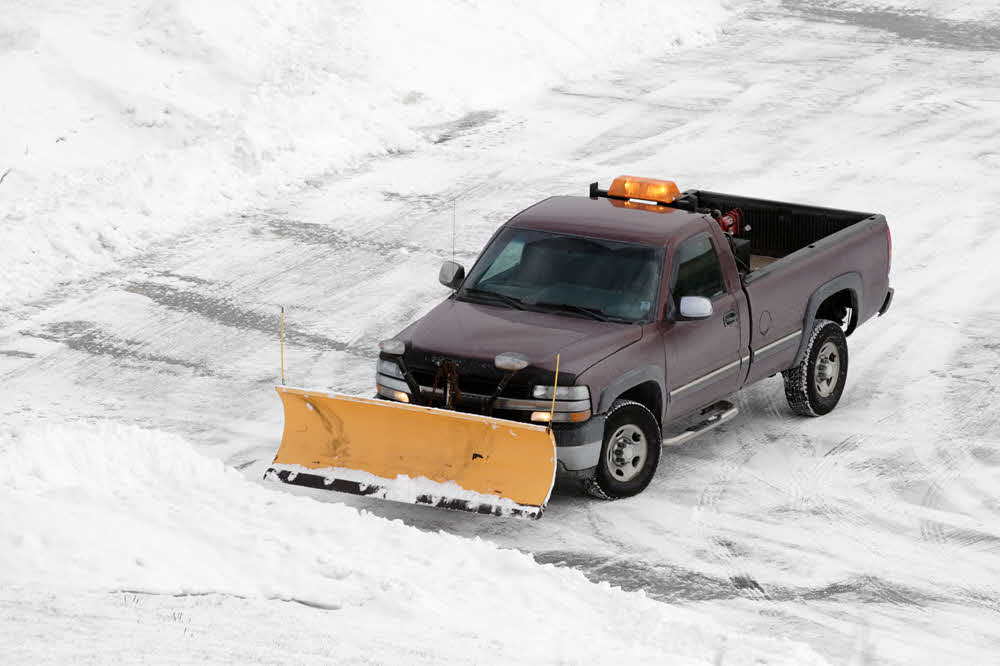
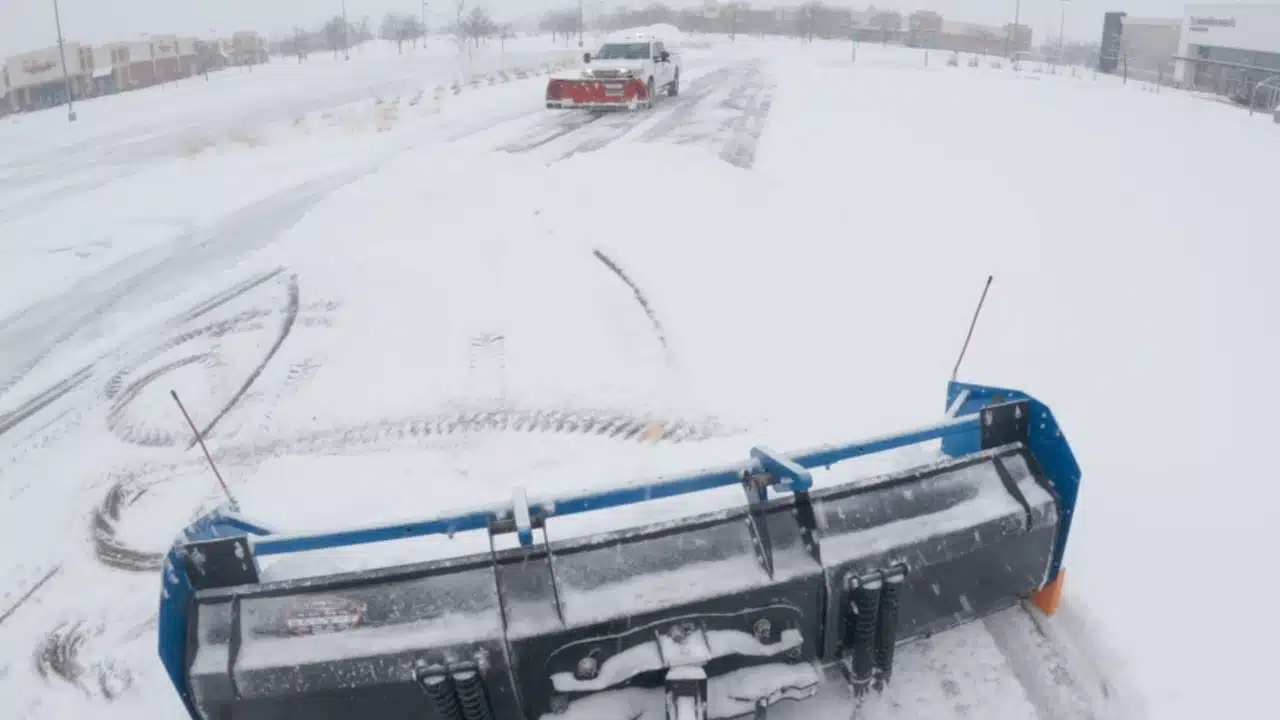
Industrial sites need more than a pickup and a spreader. We stage heavier trucks, calibrated application equipment, and crews that can cover large lots without missing dock aprons, trailer lanes, or employee walks. That matters near the I-75 corridor, where traffic keeps moving after the storm starts. We plan commercial parking lot salting and access sidewalk salting around shift changes, truck paths, and refreeze checks so the first pass holds under real use, not just on paper.
Big pavement fails fast when the crew is underbuilt. We size the response to the site, then adjust material and routing before black ice sets up.
Clay Subgrades, Frost Heave Control
Michigan clay holds water, then freezes hard. That is the problem. If the subgrade stays wet, plowing and salt only manage the surface while frost keeps working underneath. We watch low spots, shaded edges, and places where runoff slows near curb lines because those are the first areas to refreeze. On commercial parking lot salting and access sidewalk salting jobs in Macomb County, we plan around soil movement before the storm starts. Physics does not care about a budget.
We would rather slow a response than spread material over a site that will fail again by morning.
Maintenance Cost Curve, Proactive vs Reactive
Reactive winter work costs more because it starts after the surface has already failed. Once meltwater gets into low spots, joints, and wheel paths, you are not buying salt anymore, you are buying time against refreeze and liability. Proactive parking lot salting services and black-ice prevention keep that curve flatter. We plan applications before traffic packs snow into hard ice, then use refreeze checks to catch problem edges before they turn into repeat calls.
That is the cheaper path over a season. Fewer emergency passes. Less material waste. Less damage to the pavement below.
We Reject Shortcuts on Failed Bases
We do not salt over a failed surface and call it maintenance. If the base is moving, water is sitting in the wrong place, or the lot keeps refreezing at the same edge, we stop and look at the cause. That is how we protect commercial parking lot salting and access sidewalk salting from becoming a short-term fix with a long-term bill. On sites near Woodward Avenue, that discipline saves owners from paying twice for the same winter problem.
Physics sets the terms. We work around them, or we walk away.
Durability Questions, Straight Answers
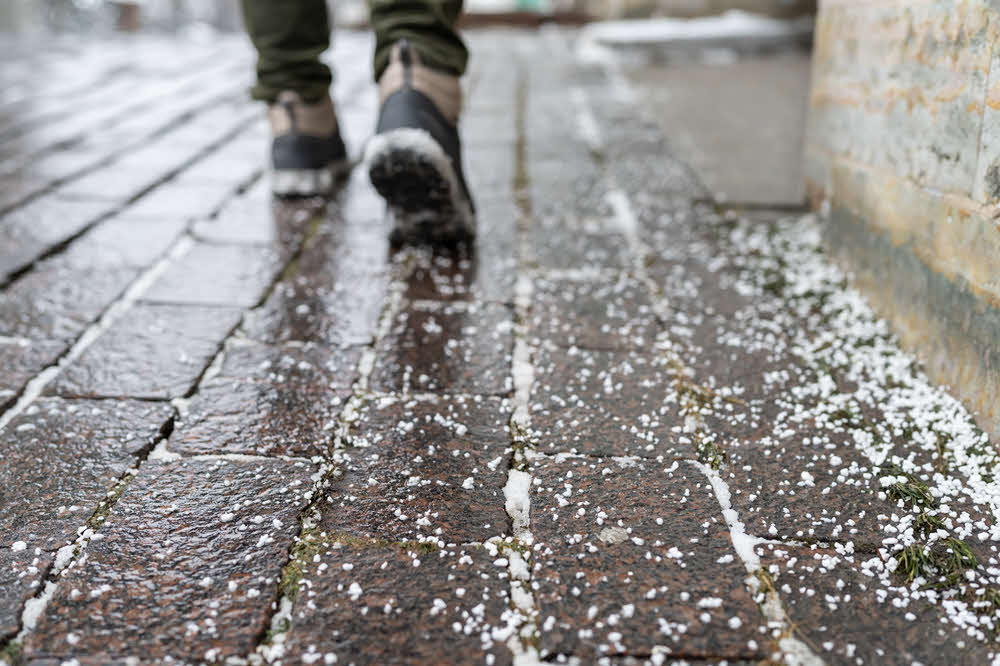
Durability starts with timing, not volume. We apply salt before traffic packs snow into hard ice, then check for refreeze at entrances, turns, and shaded edges. That keeps commercial parking lot salting from becoming a cleanup pass after the surface has already bonded. On sites with heavy truck movement, we adjust for runoff and wheel paths so the treatment stays where it can work. If the base holds water, we change the plan instead of forcing more product.
That is how we protect pavement life and keep access sidewalk salting from creating new problems.
Site Health, Refreeze, and Load Paths
We start with the site, not the salt. If the pavement holds water, if the edge line breaks down, or if truck traffic keeps packing snow into the same wheel path, the problem will return after the first pass. That is why we check drainage, shade, and traffic flow before we set a treatment plan.
On properties tied to Woodward Avenue, that discipline keeps black-ice prevention tied to actual conditions instead of guesswork. Good winter control protects access first and keeps refreeze checks honest.
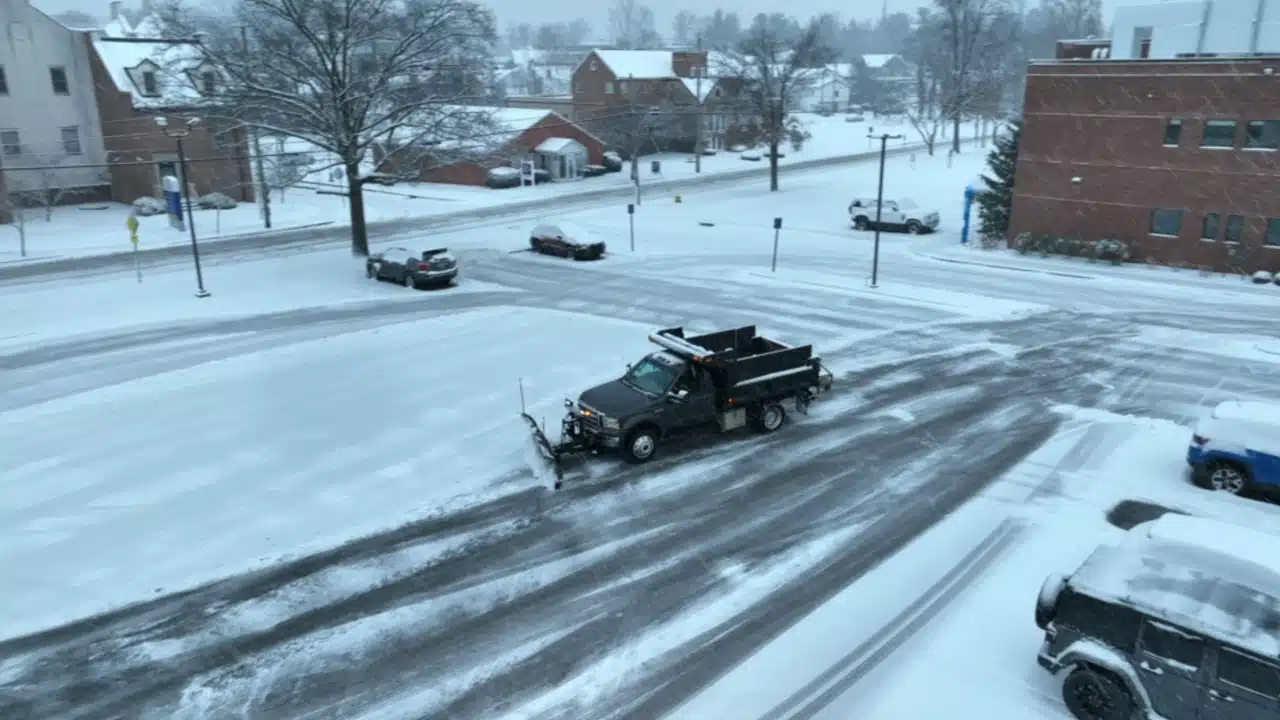
Accountability for Every Salt Pass
Municipal leaders trust us because we plan for the next thaw, not the next invoice. We look at drainage, traffic load, and where refreeze starts after plowing, then set salt placement to match the site. That keeps black-ice prevention tied to actual conditions. In Macomb County, that kind of discipline matters on public lots, access walks, and busier curb lines where one bad pass creates a bigger problem by morning.


Thank you again for a job well done.



Payment terms are outstanding in the last four years payments have always been on time.
The staff at D and J are great and very helpful if there is any issues.



My project involved multiple services and pulling permits and I had several quotes and most companies don’t offer multiple services or don’t pull permits and you have to do it yourself.
D & J is the only company who takes care of city permits and takes care of all the services you need from start to finish. They also update you on everything, keep you in a loop and confirms everything with you.
In our specific case we needed a curb cut, driveway leveled and parking lot sealed and coated so low sports vehicles can safely pull in without scraping the bottom and D & J did it so well you can pull in even on skateboard now.
Highly recommend D & J, top quality, smooth process.

We treat winter control the same way we treat every site, as part of the asset’s life cycle, not a one-night fix. If the plan does not protect the next thaw, we change it, because that is how we build work that still makes sense on the next project in Macomb County.
Ready to Protect Your Property with Professional Snow Salting?
D&J Contracting is Southeast Michigan’s trusted commercial contractor. We respond to estimate requests within one business day and provide written quotes at no cost.
Call (586) 954-0008 or request an estimate online.