
Emergency Snow Plowing, Site Infrastructure Engineering, Macomb County
Emergency snow plowing is not just about opening lanes. We clear access with the same discipline we use on site infrastructure engineering, because a blocked drive, loading area, or fire lane creates real risk fast. In Macomb County, we plan for drifting, refreeze, and stacked snow that can choke drainage and trap traffic. Our work focuses on priority route clearing, emergency access restoration, and after-hours storm response for commercial properties that cannot wait for daylight.
Contact Us Today!
MDOT Prequalification, Highway-Grade Snow Response
MDOT prequalification tells property managers we work to a higher standard than commodity plowing. We plan routes, pushback areas, and access points with the same discipline used on regulated road work, then adjust for live storm conditions instead of guessing. That matters on sites near Hall Road and M-59, where traffic keeps moving and snow piles can choke visibility fast. For urgent commercial snow plowing, we focus on emergency access restoration, clean fire lanes, and controlled stacking that protects drainage and pavement edges.

Serving Businesses In Macomb County
Accountability Means Clearing Access Right

Accountability means we clear the access that matters first, then we document what we did and why. If a lane is drifting shut near 14 Mile Road or a dock apron starts icing over, we do not guess and we do not wait for the storm to settle down. We move with priority route clearing, emergency access restoration, and after-hours storm response because a property owner needs facts on the ground, not excuses after the fact.
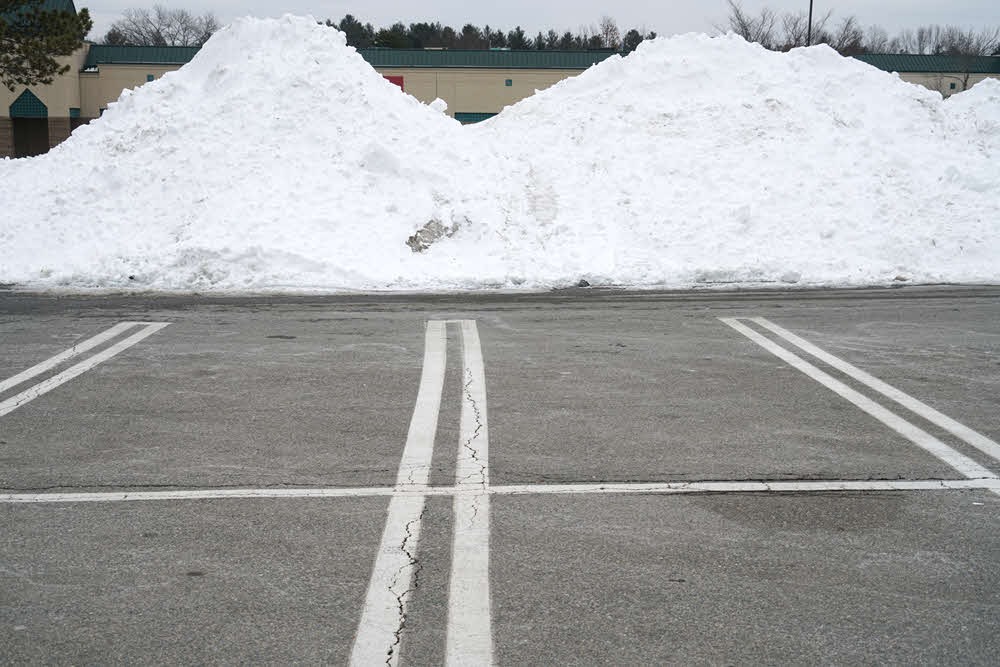
Sub-Grade Integrity Drives Winter Performance
Sub-grade decides whether a winter response holds up or turns into a spring repair bill. We look at drainage, edge support, and where traffic loads will force snowmelt back into weak spots. If the base is soft, plowing can expose it fast, especially on emergency business driveway clearing and dock approaches. That is why we set priority route clearing around the strongest access points first, then work outward with immediate dispatch and after-hours storm response.
Gradation, Density, and PSI Control
Aggregate gradation controls how a plow edge loads the surface. If the base is open and unstable, wheel spin and repeated passes can shear it apart fast. We watch for tight compaction, clean stone lock, and enough density to carry traffic after a storm. On urgent commercial snow plowing jobs, that means setting the route so the heaviest equipment stays on the strongest lines first. Poor PSI shows up as rutting, edge breakup, and water getting back into the section.
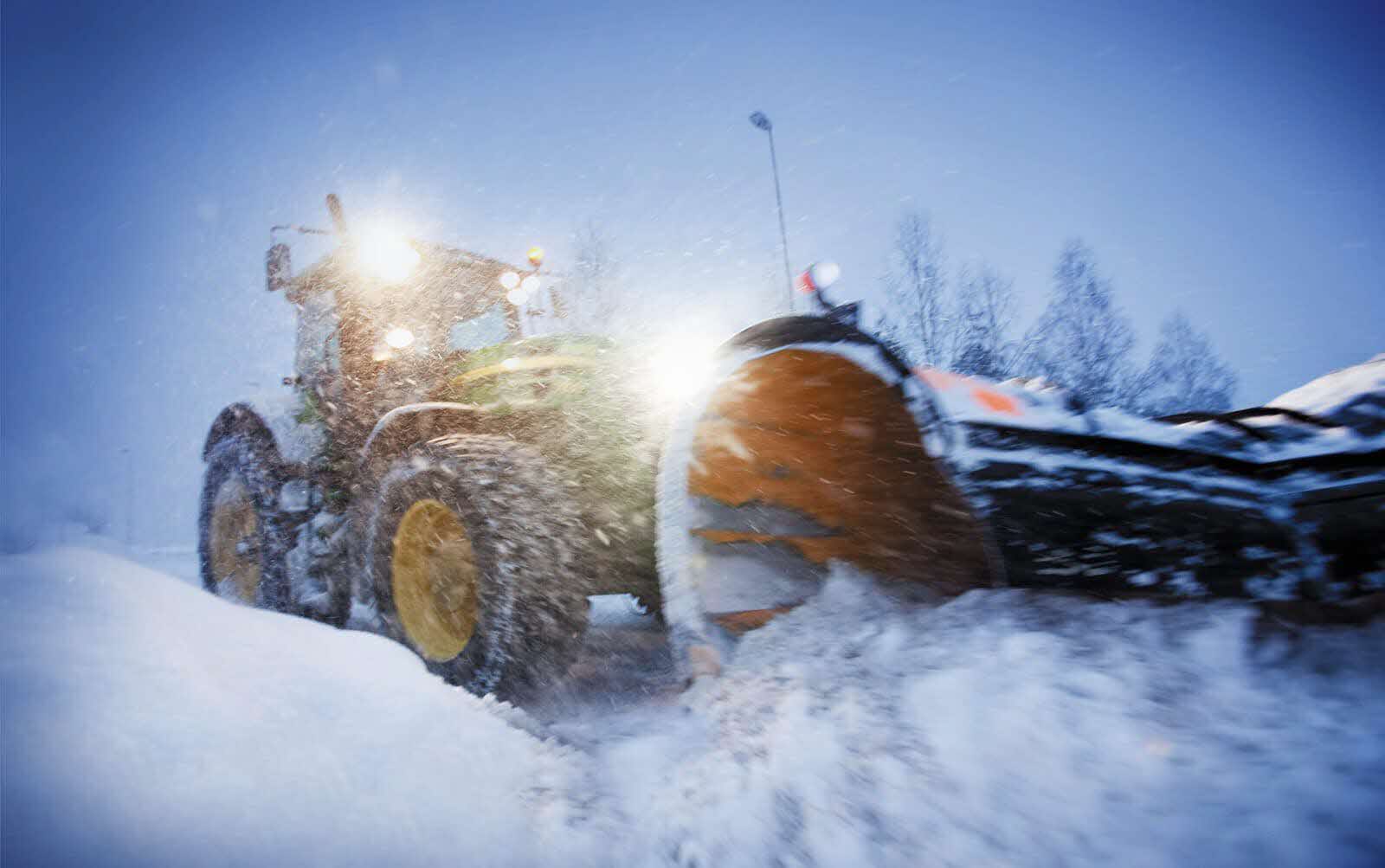

Drainage Control for Winter Access
Water is the part that ruins winter work. We watch where melt runs, where it refreezes, and where stacked snow blocks catch basins or curb cuts. If runoff cannot leave the site, plow traffic turns it into ice and pushes stress into the pavement edge. On urgent commercial snow plowing jobs, we clear access first, then keep drainage paths open so emergency access restoration does not create a spring problem. That discipline protects the asset.
Surface Layer Specs for Freeze-Thaw Cycles
Surface performance starts with the right plow path and the right mix of salt, not guesswork. We watch how the top layer reacts to repeated blade contact, freeze-thaw swings, and traffic turning on wet pavement. A brittle surface chips fast, then water gets in and the damage spreads. On urgent commercial snow plowing and emergency access restoration jobs, we keep passes tight, avoid unnecessary scraping, and protect the wearing course so it can carry another winter without breaking down.
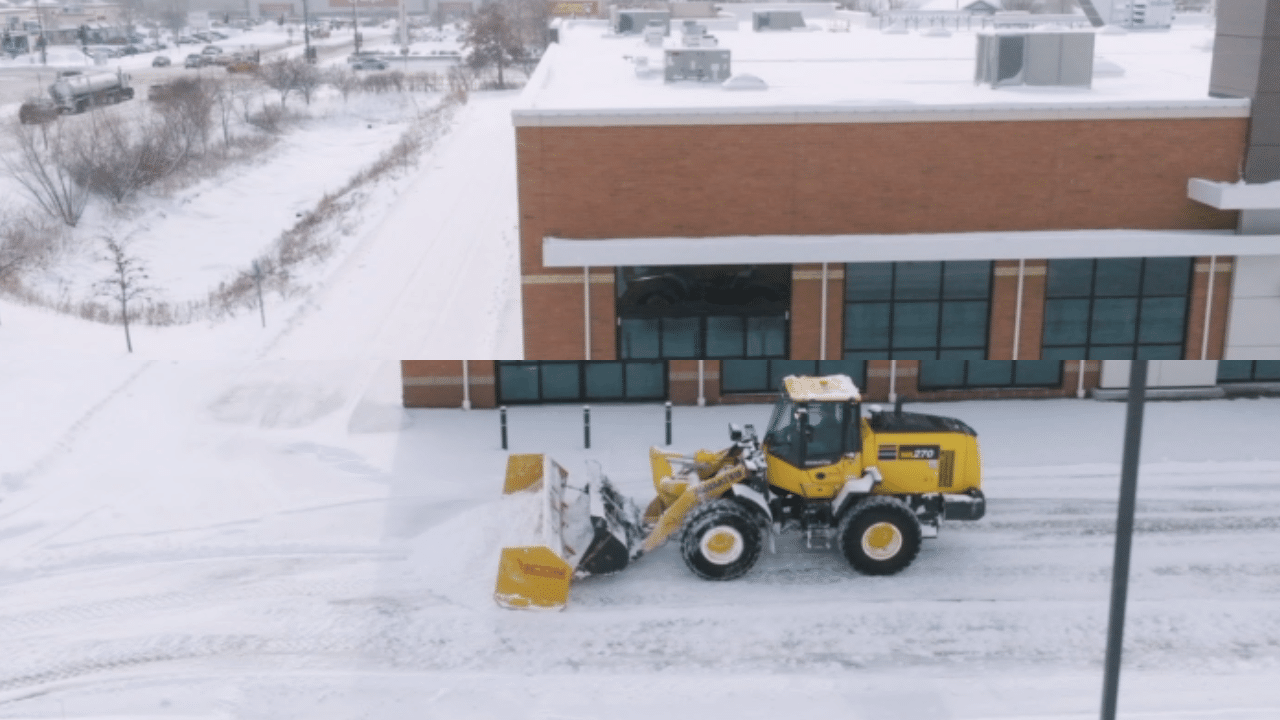
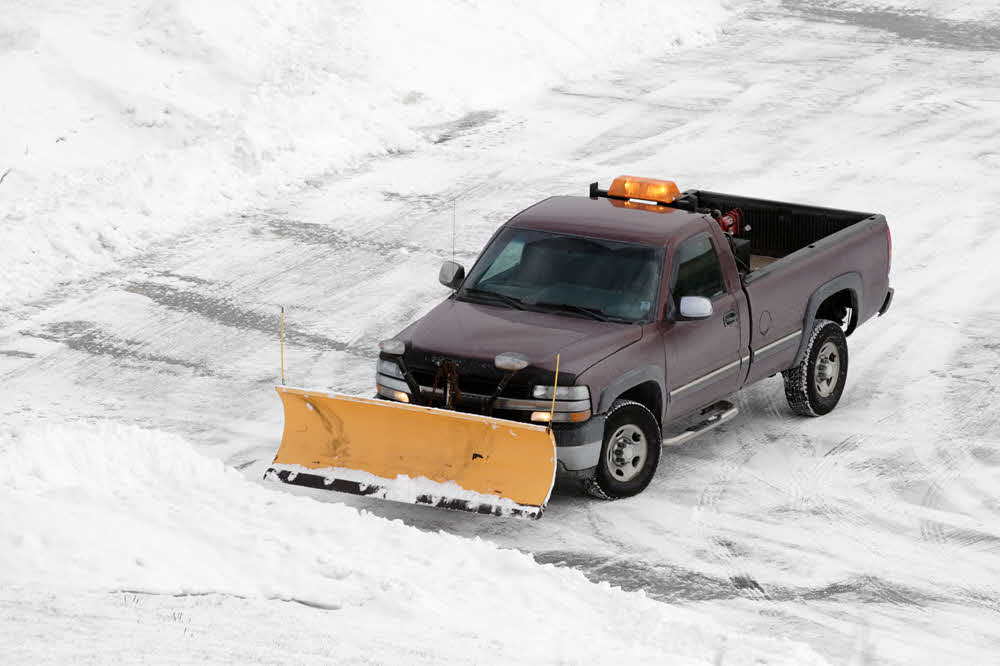
Heavy Equipment, Tight Crews, Fast Response
Industrial sites need more than a pickup and a blade. We size crews for dock traffic, trailer lanes, employee access, and the room needed to turn heavy equipment without pinching the site. That matters on after-hours storm response, where one bad pass can block freight movement or trap meltwater against a curb line. Our approach uses immediate dispatch and priority route clearing so the first machine opens the critical path, then the rest of the site follows in order.
Clay Subgrades, Frost Heave Risk
Clay holds water, then freezes hard. That cycle moves the ground, opens seams, and pushes plow traffic into weak edges. We see it on lots that drain slow near service drives and loading areas. In Macomb County, the fix starts with route planning that keeps heavy equipment off soft shoulders and out of thawed corners. For urgent commercial snow plowing, we clear the load path first, then protect the surface from rutting and refreeze before the next pass.
Maintenance Cost Curve, Reactive vs Proactive
Winter damage gets expensive because the first problem is usually hidden. A small drainage issue, a weak edge, or repeated blade contact can turn into spring patchwork fast. We treat snow response as asset protection, not a cleanup bill. On sites with heavy traffic and tight access, proactive planning keeps the cost curve flat. Reactive work does the opposite. Once the base starts moving, every pass adds risk, and emergency business driveway clearing becomes a repair problem instead of a control measure.
Failed Bases, No Shortcuts
We do not push snow across a failed base and call it solved. If the subgrade is pumping, the edge is breaking, or meltwater has nowhere to go, plowing only exposes the problem faster. Our job is to clear access without making spring damage worse. That means choosing the right path, protecting weak corners, and using immediate dispatch only where it actually helps. On sites with tight loading areas and fire lanes, we plan for the next thaw before the first pass.
Durability Questions, Straight Answers
Durability starts before the first pass. We look at how the site drains, where the pavement edge is weak, and which lanes carry the heaviest turning loads. If snow gets pushed into a low spot, freeze-thaw will work on that area all winter. That is why we use priority route clearing and immediate dispatch on critical access points first. A fast response only helps if it protects the base instead of grinding it down.
We do not chase clean-looking pavement at the expense of structure. On loading areas, dock aprons, and emergency business driveway clearing, blade angle and stacking location matter as much as speed. Poor placement traps meltwater, then refreeze starts at the curb line or joint. Our job is to keep access open while limiting edge damage, rutting, and repeat passes that wear out a surface before spring.
Site Health After Snow Events
After a storm, we inspect the site for the damage snow work can hide. Rutting at the drive edge, ice pushed into low spots, and blocked drainage tell us where the surface is starting to fail. That check drives the next move, not guesswork. If a lane needs immediate dispatch or emergency access restoration, we handle the critical path first and keep traffic off weak areas until conditions settle. In Macomb County, that discipline protects the property long after the plow leaves.
Accountability Standards for Snow Response
Municipal leaders trust us because we think past the storm. We clear critical access first, protect drainage, and keep heavy equipment off weak edges so the site does not pay for a fast decision in spring. That long view matters on urgent commercial snow plowing and emergency access restoration work, especially where traffic, liability, and public pressure all hit at once. In Macomb County, we plan for the next thaw before the first pass.


Thank you again for a job well done.



Payment terms are outstanding in the last four years payments have always been on time.
The staff at D and J are great and very helpful if there is any issues.



My project involved multiple services and pulling permits and I had several quotes and most companies don’t offer multiple services or don’t pull permits and you have to do it yourself.
D & J is the only company who takes care of city permits and takes care of all the services you need from start to finish. They also update you on everything, keep you in a loop and confirms everything with you.
In our specific case we needed a curb cut, driveway leveled and parking lot sealed and coated so low sports vehicles can safely pull in without scraping the bottom and D & J did it so well you can pull in even on skateboard now.
Highly recommend D & J, top quality, smooth process.

We clear the access that keeps a property working, then we leave the site set up for the next storm, not just the next hour. That is how we handle urgent commercial snow plowing and after-hours storm response, with the same discipline on every run from Hall Road to 16 Mile Road.
If the layout cannot support fast movement without tearing up the surface or trapping meltwater, we say so and adjust the plan. That is how we protect the asset and build for the next project.
Need an Emergency Snow Plowing Crew You Can Count On?
D&J Contracting is Southeast Michigan’s trusted commercial contractor. We respond to estimate requests within one business day and provide written quotes at no cost.
Call (586) 954-0008 or request an estimate online.
Frequently Asked Questions - ADA Compliance
How fast can emergency snow plowing start for a commercial site?
Response time depends on storm conditions, site access, and current demand. The team offers immediate dispatch for urgent commercial snow plowing and same-day service when conditions allow. Priority route clearing helps restore access to key areas first.
Which commercial properties need emergency snow plowing most often?
Retail centers, office buildings, healthcare facilities, shopping areas, and manufacturing sites often need fast snow removal. These properties rely on clear access for staff, customers, deliveries, and emergency vehicles.
What areas get cleared first during an emergency plowing visit?
The crew focuses on priority route clearing first. That usually means the most critical access points, main travel paths, and areas needed to keep business activity moving.
Can emergency snow plowing be scheduled after business hours?
Yes. After-hours storm response is available for unexpected snowfall that affects commercial access outside normal operating times. This helps restore access without waiting for the next business day.
What affects the cost of emergency snow plowing?
Cost depends on site size, access conditions, weather severity, labor time, equipment needs, and the timing of the request. Urgent or after-hours work can also affect the quote.
What happens during an emergency snow plowing visit?
The team starts with a site review, then plans the work around the storm conditions and access needs. Crews use plowing equipment to clear the site, focus on critical routes first, and document the work for reference.