
Commercial Snow Removal in Macomb County
D&J Contracting provides reliable commercial snow removal across Macomb County and Metro Detroit. Seasonal contracts, 24/7 response, and no subcontracting — we own all our equipment.


Licensed & Insured

Local Michigan Crews

38+ Years Experience
Commercial Snow Control That Protects Your Pavement and Your Liability
D&J Contracting treats snow removal as part of your overall property management - not a one-size-fits-all plow pass. We plan every commercial snow contract around your specific site layout: where vehicles enter and exit, where pedestrian traffic moves, where snow can safely stack, and how meltwater will drain after a storm.
Getting the plan wrong creates expensive problems. Improper stacking blocks fire lanes, drainage inlets, and sight lines. Unplanned salt application damages pavement edges and contributes to runoff problems in spring. We build your snow removal plan before the first storm so those issues never come up.
Commercial Property Types We Serve
Retail shopping centers, office parks, industrial facilities, warehouses, medical and professional buildings, multi-tenant commercial complexes, and managed commercial properties throughout Macomb County.
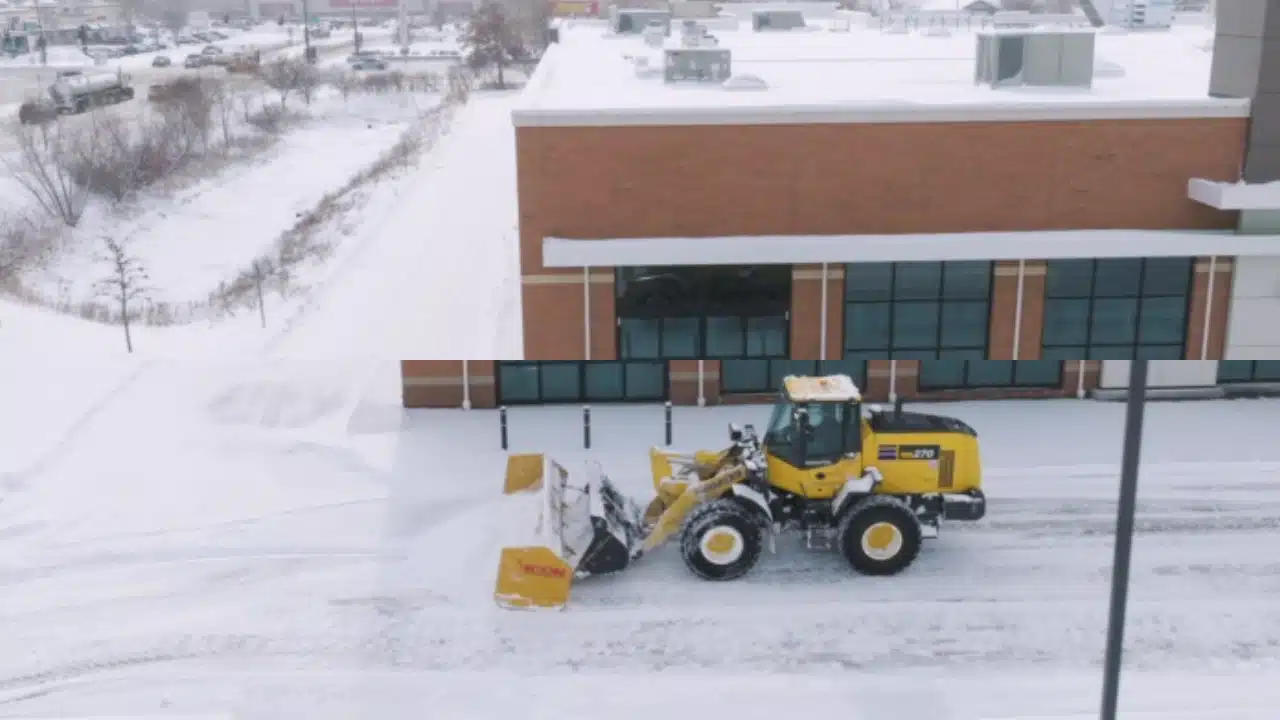
Commercial Snow Removal Services
| Service | Description |
|---|---|
| Parking Lot Snow Removal | Full lot clearing after snow events with pre-planned plow routes, stacking zones, and trigger thresholds. |
| Sidewalk and Entry Clearing | Building entries, pedestrian paths, and sidewalks kept clear for safe foot traffic during and after storms. |
| Salt and Ice Control | Targeted salt application on parking surfaces, walkways, and entry points to control ice formation before it becomes a hazard. |
| Snow Hauling | When stacking space runs out or pile locations start blocking drainage and sight lines, we haul snow off-site. |
| Seasonal Contract Planning | Pre-season site review, written snow plan, defined trigger points, and priority access routes established before winter starts. |
Why Pre-Season Planning Protects Your Commercial Property
Reactive snow removal - calling whoever is available after a storm - is the most expensive way to handle winter. Last-minute plowing without a site plan means improper stacking, salt overuse, pavement edge damage, and blocked drainage that creates flooding and refreeze problems throughout the season.
D&J Contracting builds your snow removal plan before winter arrives. We walk your site, identify priority access lanes, mark stacking zones that do not block drainage or sight lines, and define the trigger thresholds that keep your property functional through every storm.
What a Planned Snow Contract Includes
- Pre-season site walkthrough - We map your lot, identify problem areas, and define stacking zones before the first snow.
- Written snow plan - Routes, priorities, and service triggers documented and agreed to before winter.
- Trigger points - Defined snow accumulation level that activates a plow pass.
- Pavement protection - Plow equipment set to protect asphalt edges, catch basin grates, and curb lines.

What a D&J Snow Contract Delivers
Liability Protection
Documented snow plans, consistent service records, and prompt response to storm events creates a defensible record if slip-and-fall incidents ever occur on your property.
Access at All Times
Properly planned plow routes keep primary access lanes, loading areas, and emergency access routes clear even during multi-day storm events.
Pavement Protection
Correct plow height settings, targeted salt application, and proper stacking zones minimize the freeze-thaw damage that reactive plowing causes to parking lot edges and pavement joints.
Drainage Management
We plan snow pile locations so meltwater drains off the property rather than refreezing at curb lines, entries, and catch basins.
Industrial-Scale Equipment
We size the crew and equipment to your property. Commercial sites need more capacity than a pickup truck with a blade.
One Crew Summer and Winter
D&J handles your asphalt paving, sealing, and maintenance in the summer and snow removal in the winter. One company that knows your property year-round.

David Koback
President

From Our Founders
Plan the Site Before the Storm
"Snow removal done without a site plan is just moving a problem from one place to another. We walk every property before winter, set the stacking zones, define the priority routes, and agree on trigger points - so when a storm hits at 3am, the crew knows exactly what to do."

Bradley Sanford
Vice President
Commercial Snow Removal Across Macomb County
D&J Contracting provides commercial snow removal for properties throughout Macomb County and Southeast Michigan. Our primary service area includes: Armada Township, Center Line, Chesterfield Township, Clinton Township, Eastpointe, Fraser, Grosse Pointe, Grosse Pointe Farms, Grosse Pointe Park, Grosse Pointe Shores, Grosse Pointe Woods, Harper Woods, Harrison Township, Macomb Township, Madison Heights, Memphis, Mount Clemens, New Baltimore, New Haven, Richmond, Roseville, Shelby Township, St. Clair Shores, Sterling Heights, Utica, Warren, Troy, Rochester, and Rochester Hills.
Call (586) 954-0008 to discuss a commercial snow contract before winter season begins.
Frequently Asked Questions - Commercial Snow Removal
What is included in a commercial snow removal contract?
Contracts typically include parking lot plowing, sidewalk and entry clearing, salt application, and snow hauling when pile locations create problems. We define all services, trigger thresholds, and response times in writing before the season begins.
What is a snow trigger threshold?
A trigger is the accumulation level at which a plow pass is activated - for example, 2 inches of snow triggers a plow. We set triggers in your contract based on your property type, risk tolerance, and operational needs.
When should I sign a snow removal contract?
Before October. Equipment availability and crew scheduling fill up fast heading into winter. Properties that wait until the first snow event often find limited options and higher per-event rates.
How do you protect pavement from plow damage?
We set plow blade height to protect the asphalt surface, use rubber deflectors where appropriate, and avoid pushing against curbs and catch basin frames. Pre-season site marking of hazards is part of our pre-winter plan process.
Can you coordinate snow removal around our business hours?
Yes. We prioritize clearing access routes and high-traffic areas before business open hours whenever conditions allow. For 24-hour operations, we work around your traffic patterns.
Ready to Take Snow Management Off Your Plate?
D&J Contracting is Southeast Michigan’s trusted commercial contractor. We respond to estimate requests within one business day and provide written quotes at no cost.
Call (586) 954-0008 or request an estimate online.