
Macomb County Snow Plowing Site Infrastructure Engineering
Snow removal is site infrastructure work. We plan plow paths, stack locations, and ice control around traffic flow, curb lines, loading zones, and drainage so the property still functions after the storm. A bad push can break edges, block sight lines, and send meltwater where it should not go. In Macomb County, that means reading each site before the first snowfall and running snow plowing contractor for businesses with GPS route tracking, salt spreaders and brine tanks, and night operations only when the site calls for it.
Contact Us Today!
MDOT Prequalification, Highway-Grade Snow Control
MDOT prequalification changes how we plan winter work. It means our snow operations follow a higher standard for equipment readiness, documentation, and site control, not just clearing pavement and moving on. We treat each route like an asset with risk attached. That matters on commercial properties near Hall Road, M-59, and the I-94 corridor, where traffic volume and freeze-thaw cycles punish weak planning. We use GPS route tracking, salt spreaders and brine tanks, and disciplined dispatch so the work holds up under pressure.

Serving Businesses In Macomb County
Accountability Starts With Every Plow Pass

I hold our snow work to the same standard I use on any site: if the plan does not protect the pavement, the curbs, and the people using the property, we do not run it that way. A plow pass has to be deliberate. Stack snow where meltwater will drain cleanly. Keep salt spreaders and brine tanks calibrated so we are treating ice, not wasting material. That is accountability, and I would rather turn down a job than leave a property with avoidable damage.
Sub-Grade Integrity Drives Winter Performance
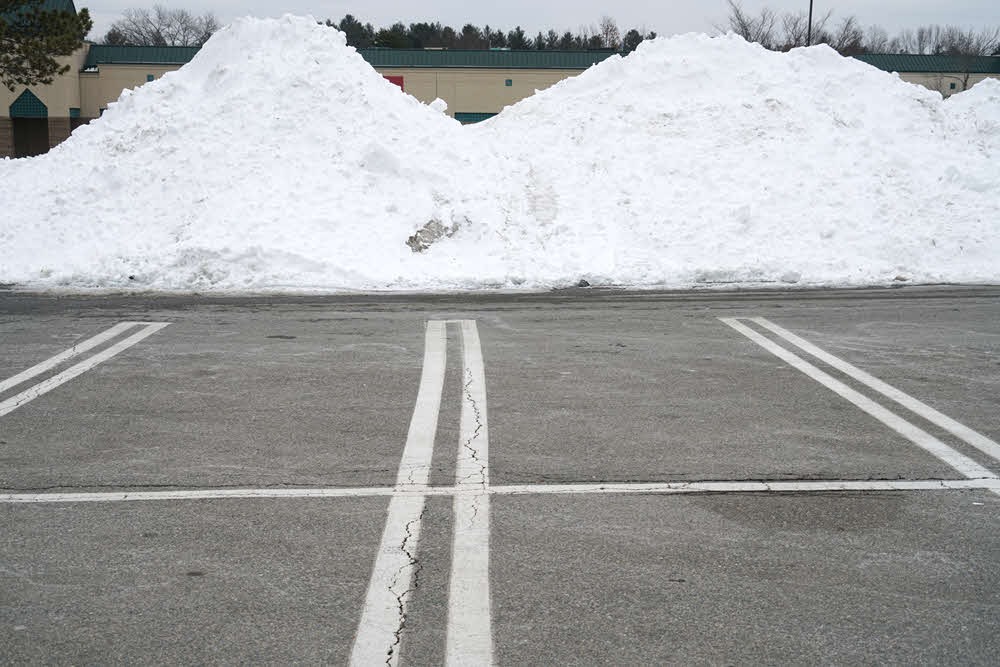
Sub-grade decides how a winter site behaves after the first hard freeze. If the base holds water, plow traffic and repeated thaw cycles will expose it fast. We read the site before the season starts, then set plow paths and stacking areas to protect weak edges, curb lines, and low spots. On properties near Hall Road, that means planning for runoff, refreeze, and heavy traffic together. We use GPS route tracking and salt spreaders and brine tanks to keep the work controlled.
Aggregate Gradation, Compaction PSI
Aggregate gradation controls how a plowed surface carries load after freeze and thaw. If the stone locks tight, the base resists rutting and edge breakup. If it is too open, water moves through it and weakens the section. We watch that balance before winter starts, then match plow pressure and stacking patterns to the site. On commercial lots near Macomb County, that means protecting compacted lanes, not grinding them down with repeated passes.
Compaction PSI matters because loose stone shifts under truck tires and blade impact. We set routes with GPS route tracking and keep salt spreaders and brine tanks in play only where ice control supports traction without flooding the base.
Drainage Control for Winter Runoff
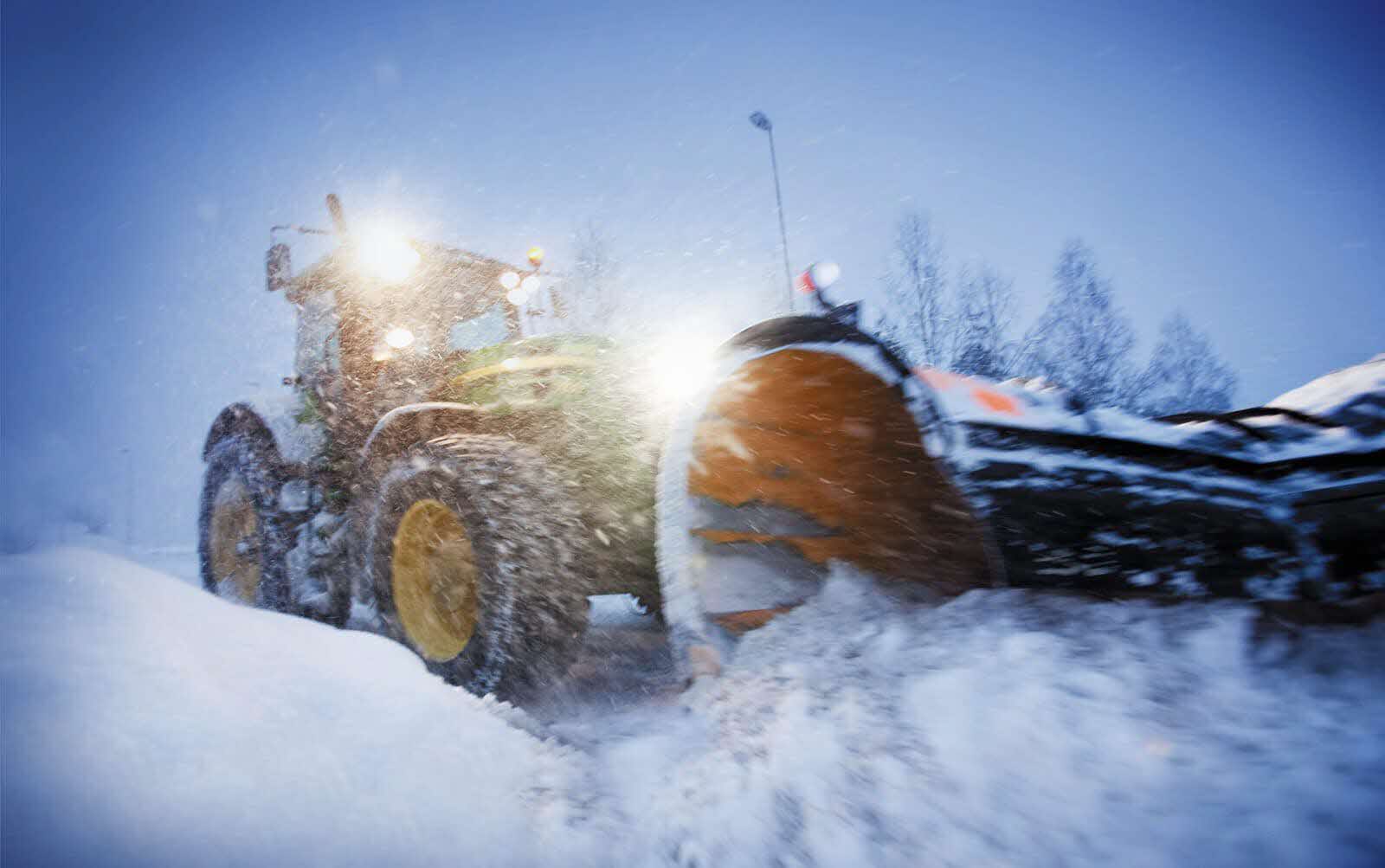
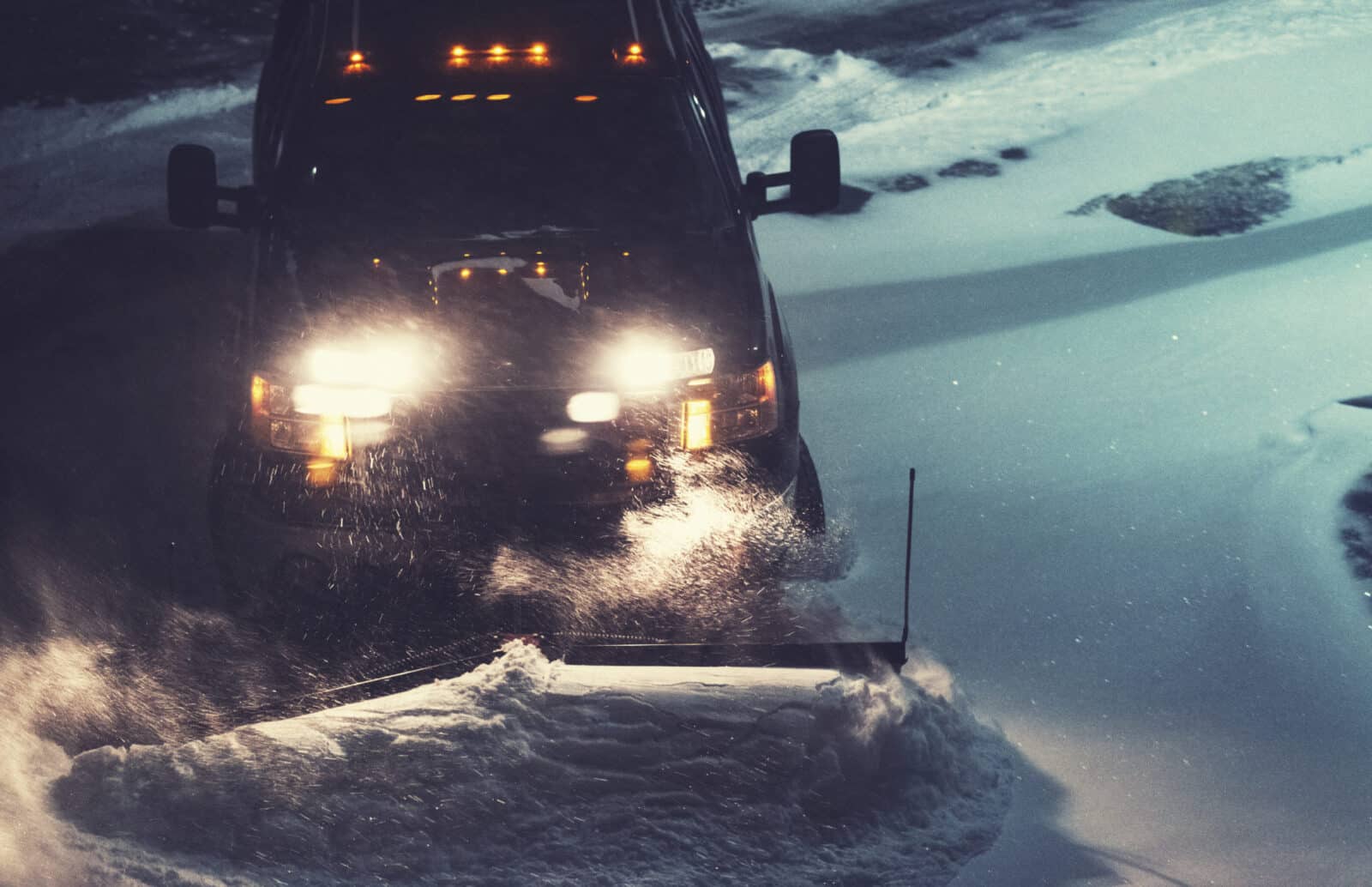
Water is the part that ruins winter work. We look at where meltwater will go after the pile starts shrinking, then set stacking so it does not feed back into drive lanes, walks, or loading areas. On sites near M-59 and the I-94 corridor, that means watching low spots, catch basins, and curb returns before the first storm. We use GPS route tracking and salt spreaders and brine tanks to keep ice control tied to drainage, not fighting it.
Surface Specs for Freeze-Thaw Cycles
Surface performance starts with the mix, not the plow. We want a dense, well-graded asphalt surface that sheds water and holds together after repeated freeze-thaw cycles. Thin lifts, soft edges, and open texture fail fast under blade contact and truck traffic. On commercial sites, we match surface thickness to winter use and keep salt spreaders and brine tanks calibrated so ice control does not overwork the pavement. Near Macomb County, that discipline keeps the top layer from turning brittle before spring.
Industrial Crew Scale for Heavy Sites
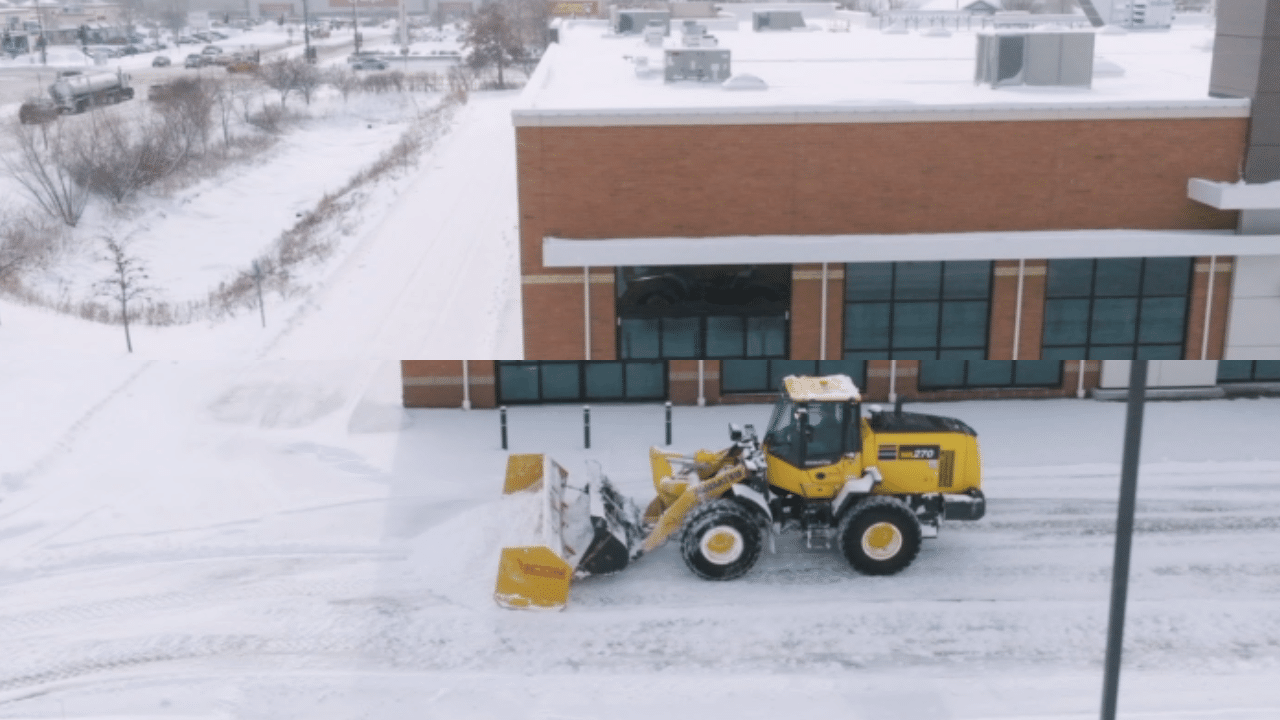
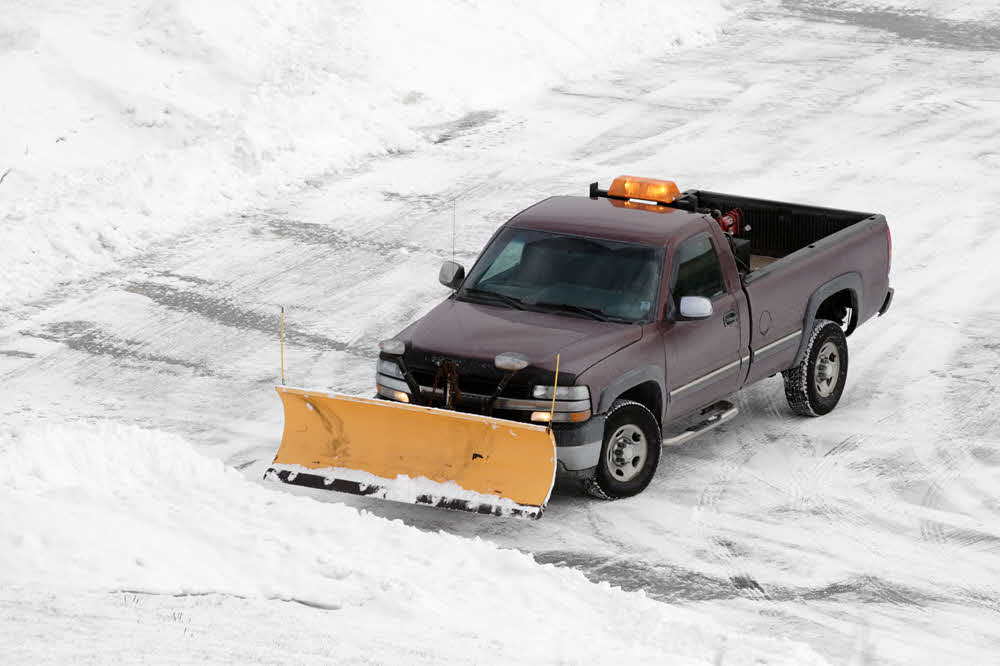
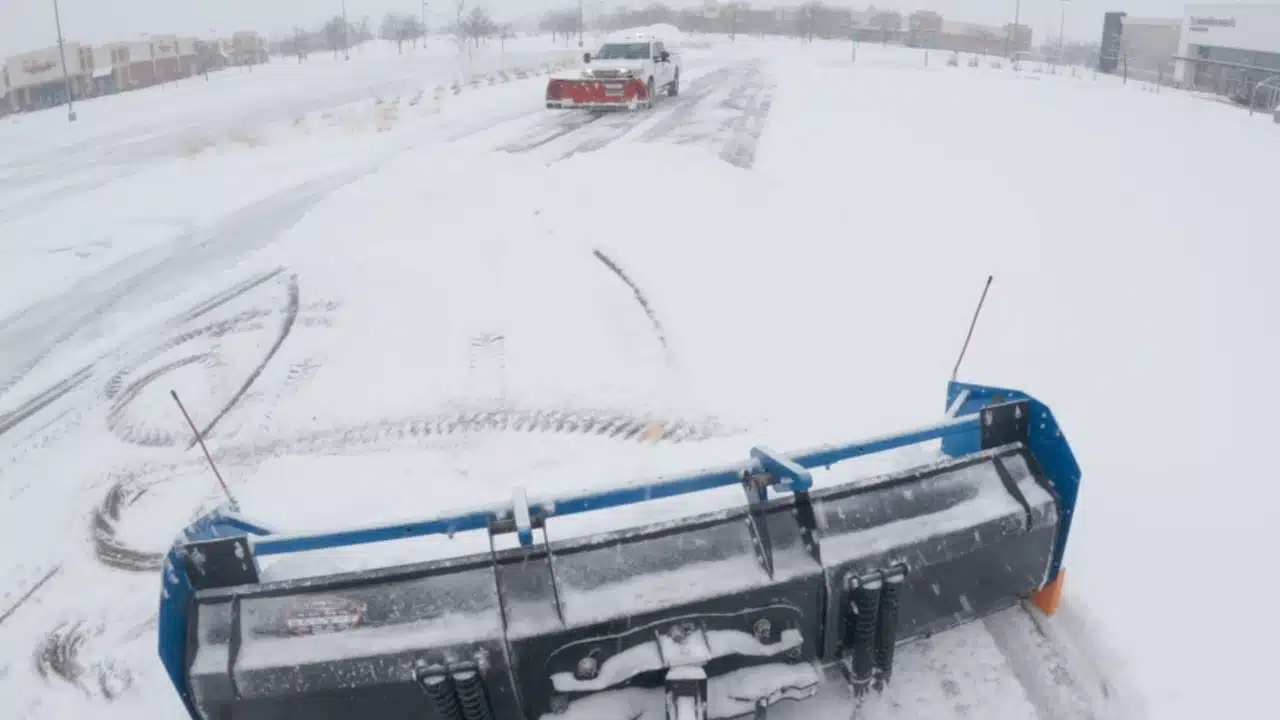
Industrial sites need more than a pickup and a blade. We size the crew to the lot, the dock schedule, and the amount of snow that has to move before trucks start rolling. That means a fleet of plow trucks and skid steers where it makes sense, plus salt spreaders and brine tanks for controlled ice work around high-traffic pavement. On heavy properties near Macomb County, we plan equipment around turning room, stacking space, and load dock access so operations keep moving.
Clay Subgrades and Frost Heave
Michigan clay holds water, then freezes hard. That is where winter damage starts. A lot can look stable in November and still move by February if the subgrade stays wet under repeated plow traffic. We read drainage, edge support, and low spots before the season starts, then set push patterns that keep weight off weak areas. On Macomb County sites, that means treating frost heave as a structural problem, not a cleanup issue. We plan with GPS route tracking and calibrated salt spreaders and brine tanks so ice control does not feed the failure.
Maintenance Cost Curve: Proactive vs Reactive
Winter damage gets expensive because the first dollar is usually the cheapest one. A planned plow program keeps small problems from turning into edge breakup, rutting, and drainage issues that show up after thaw. We set routes, stacking points, and ice control before the season so the property takes less abuse under traffic. On sites with tight access or heavy truck counts, that planning protects the pavement and cuts down on spring repair work.
Reactive work costs more because it starts after the base has already been stressed. By then, you are paying for cleanup, repairs, and lost time instead of controlled maintenance.
No Shortcuts, No Failed Bases
We do not push snow over a failed base and call it maintenance. If the subgrade is pumping, the edge is breaking, or the lot holds water, plowing harder only makes the problem worse. Our job is to read the surface, protect weak points, and set a plan that fits how the property actually carries winter traffic. That is how we keep a site usable without creating spring repairs.
On commercial work in Macomb County, that means honest calls before the first storm and disciplined execution after it starts. We use GPS route tracking and a fleet of plow trucks and skid steers where they make sense, but we will still tell a client when the base needs correction before snow service can do its part.
Durability Questions, Straight Answers
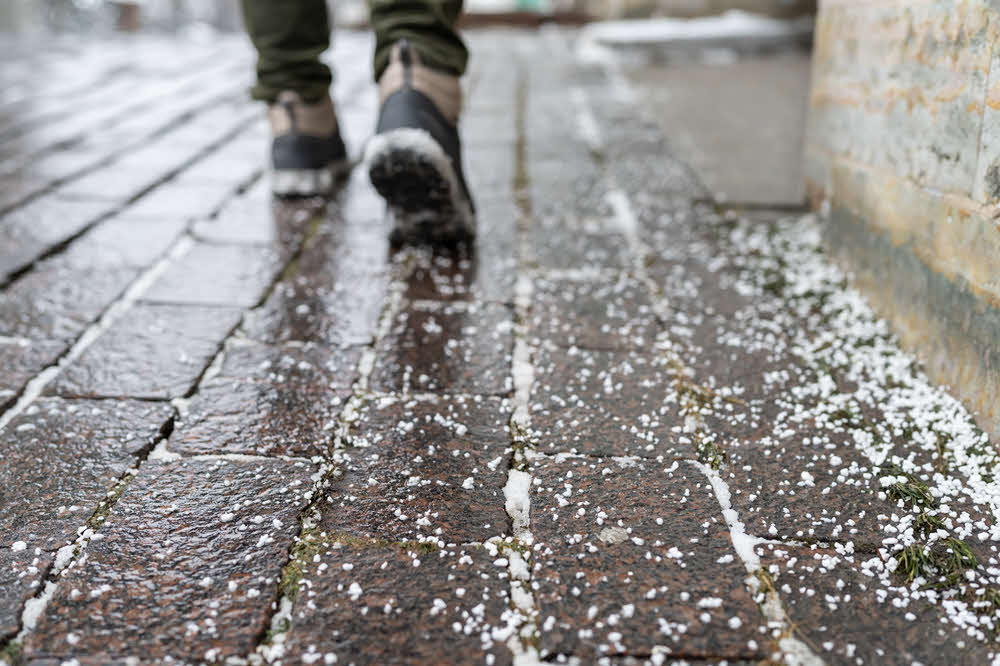
Durability starts with how the site sheds snow, not how fast a blade moves. We set plow paths to protect weak edges, keep piles off drainage inlets, and reduce repeated hits on the same lane. If a lot flexes under truck traffic, we change the route before winter exposes it. That is why we use GPS route tracking and a fleet of plow trucks and skid steers only where the site needs that control. Physics wins every time.
On properties with heavy turnover, we also watch where salt spreaders and brine tanks help traction without soaking joints or softening the base.
Site Health Starts Before the First Plow
Site health shows up in winter before it shows up in spring. We look at how the lot sheds snow, where meltwater refreezes, and which edges take the most blade pressure. If a surface traps water or flexes under truck traffic, plowing only exposes the weakness faster. That is why we set routes, stacking points, and ice control around the site first, not around convenience. On properties in Macomb County, that discipline protects the asset and keeps small problems from turning into structural repairs.
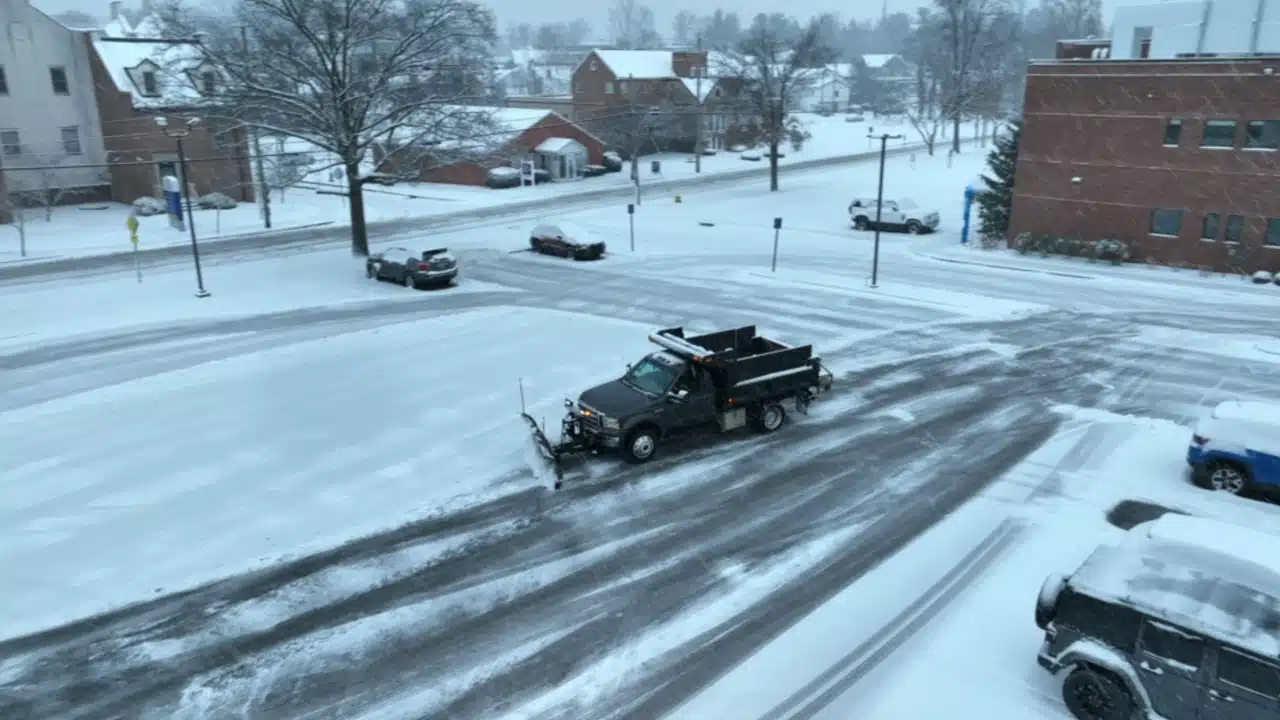
Accountability Through Every Plow Pass
Municipal leaders trust us because we plan winter work like an asset, not a cleanup call. We read the site, set plow paths, and protect curb lines, catch basins, and access points before the first storm. That keeps the pavement usable and reduces spring repair costs. Our GPS route tracking and salt spreaders and brine tanks give decision-makers a clear record of what happened, where it happened, and why it was done that way.


Thank you again for a job well done.



Payment terms are outstanding in the last four years payments have always been on time.
The staff at D and J are great and very helpful if there is any issues.



My project involved multiple services and pulling permits and I had several quotes and most companies don’t offer multiple services or don’t pull permits and you have to do it yourself.
D & J is the only company who takes care of city permits and takes care of all the services you need from start to finish. They also update you on everything, keep you in a loop and confirms everything with you.
In our specific case we needed a curb cut, driveway leveled and parking lot sealed and coated so low sports vehicles can safely pull in without scraping the bottom and D & J did it so well you can pull in even on skateboard now.
Highly recommend D & J, top quality, smooth process.

We plan snow work the same way we plan any asset, around load paths, drainage, and what the property needs after the storm is over. That is how we build for the next project, not just this one.
Looking for a Licensed Snow Plowing Contractor?
D&J Contracting is Southeast Michigan’s trusted commercial contractor. We respond to estimate requests within one business day and provide written quotes at no cost.
Call (586) 954-0008 or request an estimate online.